
 EN
EN

Mengapa Sekolah dan Organisasi Memilih Logo Suai pada Kostum untuk Kanak-Kanak
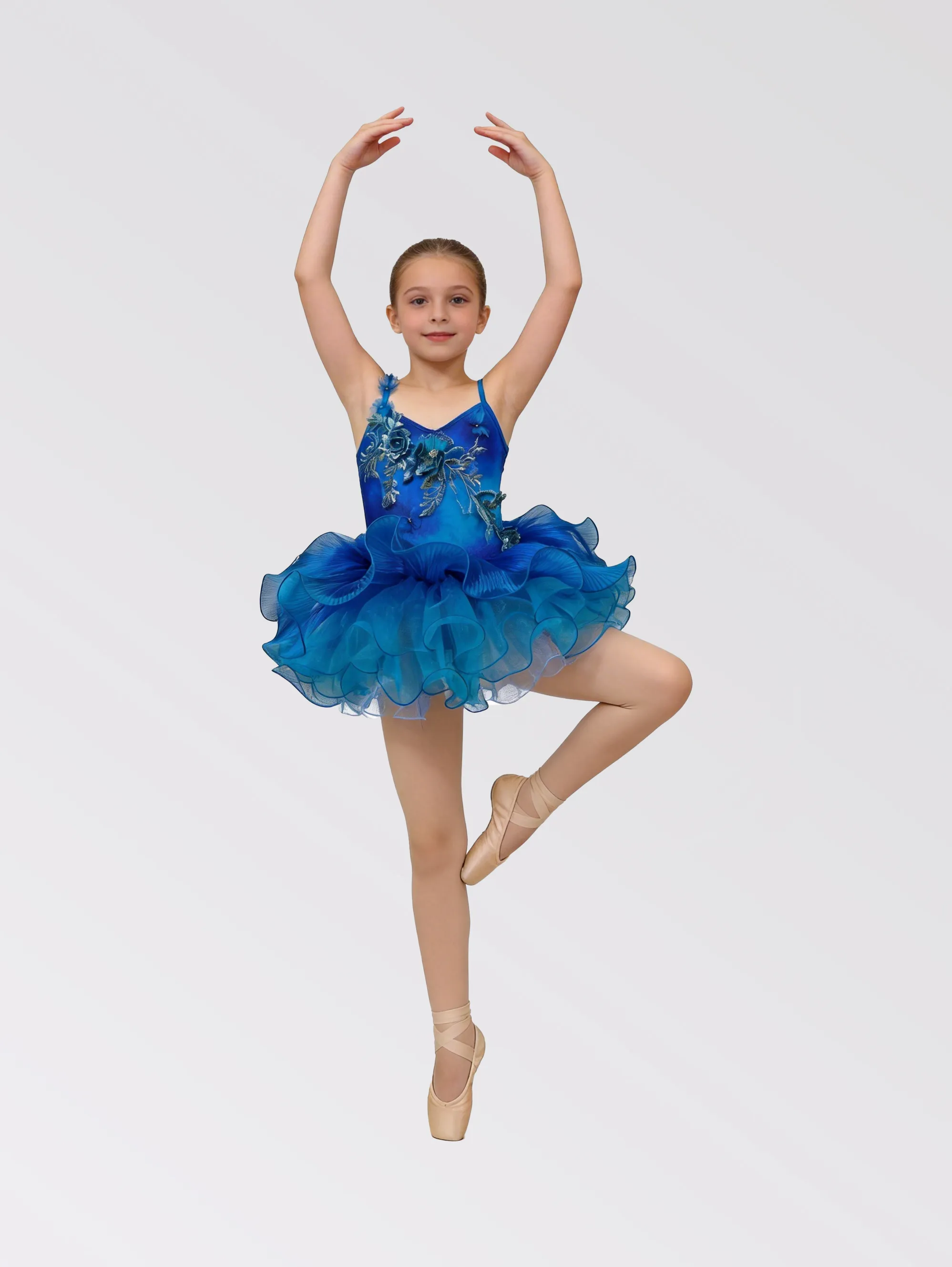
Menambah logo pada kostum untuk kanak-kanak merupakan keputusan strategik bagi sekolah dan organisasi belia—bukan sekadar jenama, tetapi juga alat untuk menyatukan, memastikan keselamatan, dan mengekalkan kelestarian. Kostum tersuai mencipta identiti visual yang seragam, yang mengukuhkan semangat sekolah dan kekohesan kelompok. Satu tinjauan 2023 oleh National Association of Elementary School Principals mendapati bahawa 78% sekolah yang menggunakan pakaian tersuai melaporkan peningkatan penyertaan pelajar dalam acara-acara, menegaskan bahawa rasa bangga terhadap lambang yang mudah dikenali mendorong penyertaan. Bagi PTA, logo tersuai mengubah persembahan dan kutipan dana menjadi momen yang seragam dan segera dapat dikenali—meningkatkan ketampakan dalam foto dan video sambil menyokong keselamatan kanak-kanak di kawasan sesak. Logo ini juga berfungsi sebagai aset kutipan dana yang praktikal: jualan kostum berlogo menjana hasil sambil memperkukuh identiti organisasi. Liga sukan belia turut mendapat manfaat, dengan menampilkan imej pasukan yang profesional yang menarik penyponsor dan membina kepercayaan komuniti. Apabila digunakan secara sengaja, logo pada kostum untuk kanak-kanak mewakili pelaburan dalam rasa kepunyaan, keselamatan, dan warisan institusi jangka panjang.
Tiga Kaedah Pengeluaran Teratas untuk Menambah Logo pada Pakaian Kostum Kanak-Kanak
Pencetakan Saring: Paling Sesuai untuk Tempahan Pukal dan Pakaian Kostum Berasaskan Kapas untuk Kanak-Kanak
Pencetakan saring menekan tinta melalui stensil jaring ke atas fabrik—sangat sesuai untuk logo yang tebal dan berwarna-warni pada pakaian kostum berasaskan kapas untuk kanak-kanak. Kaedah ini sangat berkesan dari segi kos untuk tempahan besar dan memberikan ketahanan luar biasa terhadap pencucian, serta mengekalkan ketajaman butiran walaupun selepas puluhan kali basuhan. Seperti yang dilaporkan dalam tinjauan Promo Marketing, 60% pemasar lebih memilih pencetakan saring untuk produk promosi disebabkan harganya yang berpatutan dan kesan visual yang kuat—menjadikannya pilihan utama bagi sekolah dan liga yang menempah 50 unit atau lebih.
Langsung ke Pakaian (DTG): Paling Sesuai untuk Logo Terperinci pada Pakaian Kostum Poliester Berwarna Terang untuk Kanak-Kanak
Pencetakan Direct-to-Garment (DTG) menggunakan teknologi inkjet khas untuk mengaplikasikan logo penuh warna dan rumit secara langsung ke kostum poliester berwarna terang bagi kanak-kanak. Berbeza daripada percetakan skrin, DTG tidak memerlukan yuran persiapan dan unggul dalam meniru gradien, teks halus, serta butiran fotografik—ideal untuk kelompok kecil atau item berpersonalisi. Tinta melekat secara langsung pada serat, menghasilkan sentuhan lembut dan prestasi boleh dipercayai sehingga 50 kali basuhan apabila dipanaskan dengan betul. Memandangkan DTG bergantung pada lapisan putih di bawah untuk fabrik gelap, kaedah ini paling sesuai untuk pakaian berwarna terang bagi mengekalkan kecerahan dan jangka hayat.
Pemindahan Haba & Tambalan Setrika: Pilihan Fleksibel dengan Minimum Rendah untuk Kostum Skala Kecil bagi Kanak-Kanak
Kaedah pemindahan habatermasuk vinil pemindahan haba (HTV) dan tambalan besimemberikan fleksibiliti yang tiada tandingan untuk penyesuaian skala kecil. Menggunakan pencetakan haba, reka bentuk yang telah dipotong atau dicetak secara digital melekat dengan bersih pada kain, menampung bentuk yang kompleks dan karya seni pelbagai warna tanpa skrin atau pendigitalan. Menurut ASI Central, 35% syarikat produk promosi bergantung pada pemindahan haba untuk kecekapan dan kesetiaan kepada reka bentuk yang rumit. Untuk PTA, studio tarian, atau kumpulan teater yang menghasilkan kurang daripada 30 buah, patch HTV menyediakan penyelesaian cepat dan mesra bajet yang boleh digunakan di dalam rumahmemotong masa lead dan menghapuskan sekatan pesanan minimum.
Batasan Praktis dan Keputusan Pintar Apabila Mengesan Kostum untuk Kanak-kanak
Keserasian Kain: Mengapa Poliester, Spandex, dan Felt Memerlukan Teknik Logo yang Berbeza
Polyester permukaan halus, sintetik tahan perekat tinta standardmembutuhkan tinta skrin berdarah rendah atau pra-perawatan DTG untuk hasil yang tahan lama. Spandex memerlukan dakwat yang boleh diregangkan atau campuran plastisol untuk mengelakkan retakan semasa pergerakan. Felt menyerap haba secara tidak merata dan mudah terbakar, menjadikan pemindahan haba suhu rendah dengan pelekat lembut pilihan yang paling selamat dan paling berkesan. Teknik yang sesuai dengan kain bukan pilihan tetapi penting untuk ketahanan dan penampilan pada kostum kanak-kanak.
Keselamatan & Ketahanan: Pematuhan CPSIA, tahan cuci, dan piawaian pelekat yang selamat untuk kanak-kanak
Semua tinta, filem pemindahan, dan pelekat yang digunakan pada kostum untuk kanak-kanak mesti mematuhi Akta Peningkatan Keselamatan Produk Pengguna (CPSIA), yang menetapkan had ketat terhadap plumbum, ftalat, dan bahan berbahaya lain. Pembekal yang boleh dipercayai menyediakan dokumen pensijilan pihak ketiga bagi setiap bahan. Ketahanan juga sama penting: logo berkualiti tinggi mesti tahan sekurang-kurangnya 30 kali basuhan rumah tanpa terkelupas atau pudar, mengikut Kaedah Ujian AATCC 61-2A. Pelekat berbasis air dan bebas ftalat memastikan ikatan yang kukuh sambil menghilangkan risiko iritasi kulit—memenuhi kedua-dua keperluan peraturan dan jangkaan ketahanan dalam penggunaan sebenar.
Kompromi Kos vs. Isipadu: Bilakah Sulaman Sesuai (dan Bilakah Tidak) untuk Kostum untuk Kanak-kanak
Sulaman memberikan penyelesaian premium dan boleh dirasa—tetapi nilainya bergantung pada skala dan kes penggunaan. Yuran digitalisasi dan kelajuan pengeluaran yang lebih perlahan menjadikannya terlalu mahal untuk pesanan kurang daripada 50 keping; pemindahan haba atau pencetakan DTG sering mengurangkan kos seunit sehingga separuhnya untuk pesanan kecil. Namun, sulaman bersinar pada fabrik tenunan tahan lama seperti kapas twill dan tahan terhadap pencucian industri—menjadikannya ideal untuk seragam sekolah boleh guna semula atau kostum teater yang dipakai selama beberapa musim. Untuk acara sekali sahaja atau bahan sintetik ringan, kaedah digital atau berpindah haba menawarkan keseimbangan yang lebih baik dari segi kualiti, keselamatan, dan bajet.
Kejayaan Dunia Sebenar: Bagaimana Kumpulan PTA dan Program Belia Mengskalakan Kostum Tersuai untuk Kanak-Kanak
Menskalakan kostum tersuai untuk kanak-kanak memerlukan perancangan—bukan sekadar jumlah unit, tetapi juga keselarasan dalam reka bentuk, keselamatan, dan logistik. Program yang berjaya menggabungkan tempahan merentas kelompok umur, persembahan, atau musim untuk mencapai ambang jumlah unit yang membolehkan harga lebih baik dan pelbagai pilihan teknik cetakan. Sebagai contoh, sebuah kumpulan teater belia di Midwest menempah kemeja-T bercetak skrin untuk seluruh pelakonnya yang berjumlah 120 orang kanak-kanak—mengurangkan kos seunit sebanyak 40% berbanding tempahan individu—dan memilih kaedah cetakan yang sesuai dengan bahan dasar kemeja-T mereka yang bercampur poliester untuk memastikan ketahanan terhadap pencucian sepanjang latihan dan persembahan.
Bekerjasama dengan pembekal yang mematuhi CPSIA adalah wajib. Seorang koordinator PTA melaporkan bahawa pengesahan sijil pada peringkat awal dapat mengelakkan barang dikembalikan akibat kegagalan pelekat atau tindak balas kulit—terutamanya penting bagi rompi felt, di mana dia menggunakan tampalan pemindahan haba untuk mencapai logo terperinci tanpa yuran tetapan tinggi yang dikaitkan dengan sulaman. Kelenturan dalam saiz juga terbukti penting: sebuah studio tarian serantau memesan satu reka bentuk logo untuk pelbagai barangan seperti leotard dan kemeja kapas, menyatukan kostum persembahan untuk kanak-kanak prasekolah hingga remaja—menjimatkan masa, memudahkan proses kelulusan, dan memperkukuh pengenalan jenama.
Akhirnya, koordinasi dalaman yang jelas membolehkan penskalaan. Melantik seorang sukarelawan untuk mengurus kelulusan seni grafik, mengesahkan warna tinta berdasarkan sampel kain sebenar, dan menyemak tiruan digital dapat mengelakkan pencetakan semula yang mahal. Dengan merancang awal, menggabungkan pesanan, dan memilih rakan kongsi yang memahami piawaian khusus kanak-kanak, PTA dan program belia mengubah penyesuaian kostum daripada halangan logistik kepada kejayaan yang boleh diulang dan menyeronokkan—satu kejayaan yang menyenangkan kanak-kanak, menenangkan ibu bapa, serta meningkatkan kehadiran organisasi dalam komuniti.
Soalan Lazim
Mengapa logo tersuai penting pada kostum untuk kanak-kanak?
Logo tersuai meningkatkan perasaan kesatuan, semangat sekolah, keselamatan, dan ketampakan bagi kelompok, selain berfungsi sebagai alat penjenamaan dan pengumpulan dana yang bernilai.
Apakah kaedah pengeluaran terbaik untuk menambah logo pada kostum untuk kanak-kanak?
Kaedah terbaik bergantung pada jenis fabrik, kerumitan reka bentuk, dan jumlah pesanan. Pencetakan skrin sesuai untuk item kapas dalam kuantiti besar, pencetakan DTG sesuai untuk reka bentuk rumit pada fabrik berwarna terang, manakala pemindahan haba ideal untuk penyesuaian fleksibel dalam kuantiti kecil.
Adakah bahan yang digunakan selamat untuk kanak-kanak?
Ya, pembekal yang boleh dipercayai memastikan semua dakwat, pelekat, dan filem pemindahan mematuhi piawaian CPSIA, serta memenuhi keperluan keselamatan dan ketahanan.
Bolehkah saya menggunakan reka bentuk logo yang sama pada pelbagai jenis kostum?
Ya, menyeragamkan reka bentuk logo pada pelbagai jenis pakaian dapat menjimatkan masa dan kos sambil mengekalkan identiti kelompok yang konsisten.
Apakah yang perlu saya pertimbangkan apabila meningkatkan pesanan untuk kostum kanak-kanak?
Rancang awal, kumpulkan pesanan, sahkan sijil pembekal, dan koordinasi dalaman untuk menjimatkan kos serta memudahkan proses.
Kandungan
- Mengapa Sekolah dan Organisasi Memilih Logo Suai pada Kostum untuk Kanak-Kanak
-
Tiga Kaedah Pengeluaran Teratas untuk Menambah Logo pada Pakaian Kostum Kanak-Kanak
- Pencetakan Saring: Paling Sesuai untuk Tempahan Pukal dan Pakaian Kostum Berasaskan Kapas untuk Kanak-Kanak
- Langsung ke Pakaian (DTG): Paling Sesuai untuk Logo Terperinci pada Pakaian Kostum Poliester Berwarna Terang untuk Kanak-Kanak
- Pemindahan Haba & Tambalan Setrika: Pilihan Fleksibel dengan Minimum Rendah untuk Kostum Skala Kecil bagi Kanak-Kanak
- Batasan Praktis dan Keputusan Pintar Apabila Mengesan Kostum untuk Kanak-kanak
- Kejayaan Dunia Sebenar: Bagaimana Kumpulan PTA dan Program Belia Mengskalakan Kostum Tersuai untuk Kanak-Kanak
- Soalan Lazim