
 EN


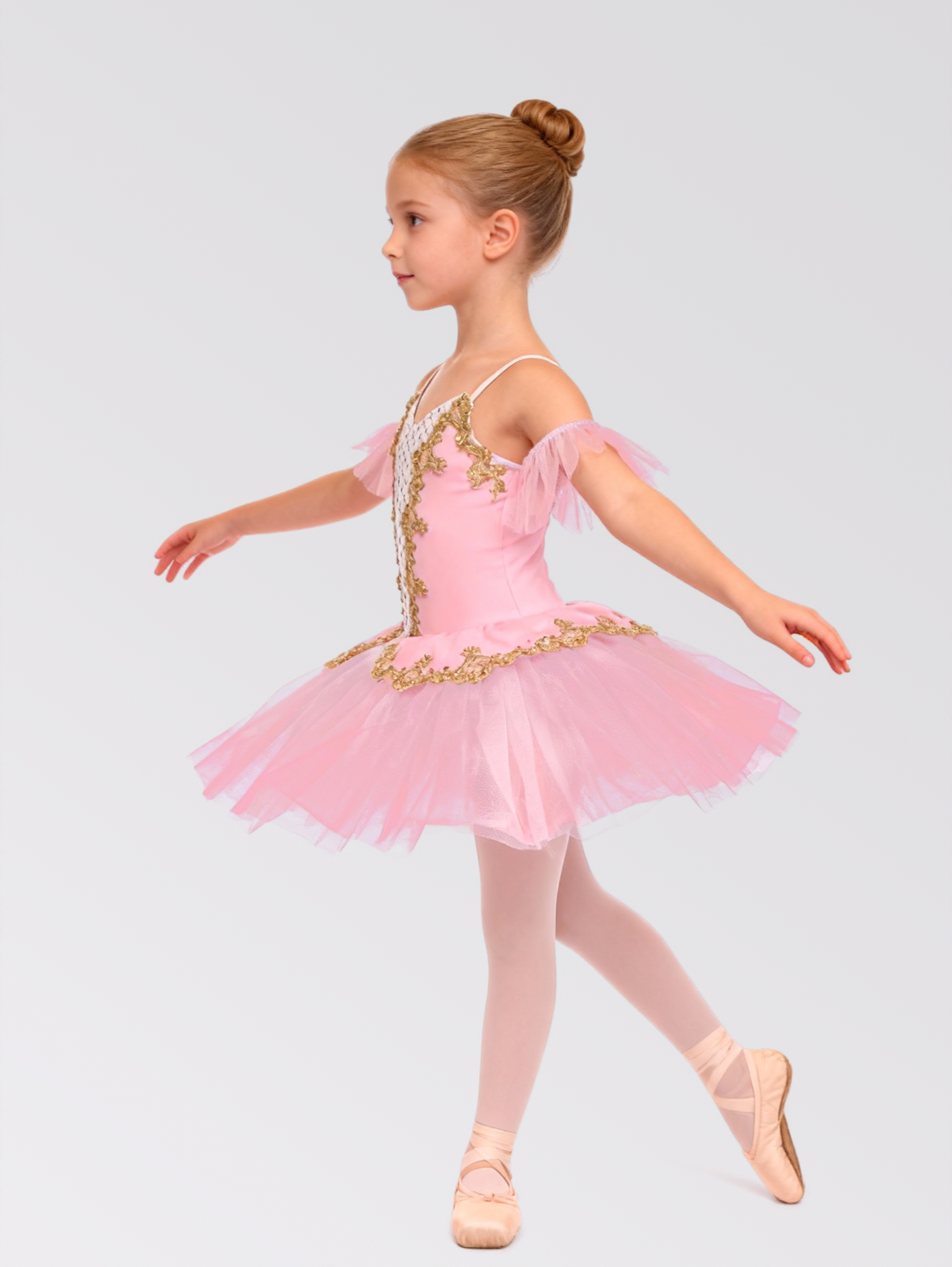
Why Standard Ballet Wear Lengths Fail Dancers
Proportional Diversity Among Dancers and Its Impact on Fit
Standard ballet wear relies on uniform grading rules—adding fixed increments of length and width across sizes. But dancers vary widely in torso-to-leg ratio, arm span, shoulder slope, and hip shape. When the same percentage is applied to every measurement, proportions distort: a size 8 leotard may fit well, but the same pattern graded to 2XL can pull at the neckline or sag at the hips. Ignoring proportional shifts creates unflattering folds, gapping, and pressure points. A dancer with a long torso and short legs may need a longer front rise—but no extra inseam—while a petite dancer with long limbs may require extended sleeves without added torso length. As the International Association for Dance Medicine & Science (2021) confirms, no single limb-to-torso proportion defines the “ballet body.” Without proportional grading, dancers are forced to size up or down—trading one fit flaw for another.
Technique Compromise and Injury Risk from Ill-Fitting Lengths
Ill-fitting lengths do more than undermine aesthetics—they compromise technique and increase injury risk. A leotard with insufficient torso length pulls the shoulders forward, restricting port de bras and full arm extension. Tights or leg openings that fall at the wrong point hinder hip flexion and roll during adagio or grand battement. Dancers compensate by hiking garments mid-combination or adjusting posture—micro-movements that disrupt alignment and overload the lumbar spine, hip flexors, and Achilles tendon. Overuse injuries account for the majority of dance-related musculoskeletal complaints (International Association for Dance Medicine & Science, 2021), and poorly sized apparel can silently amplify that load. For students, rolled waistbands or slipping straps fracture focus and impede real-time technique correction. The body encodes compromised movement patterns—even after the garment comes off—making length mismatch both a technical and safety issue, not merely cosmetic.
How Ballet Wear Customization Works: Methods, Materials, and Practical Limits
Tailoring Stretch Fabrics: Seam Allowance, Grain, and Recovery Essentials
Customizing ballet wear lengths demands deep familiarity with how knit stretch fabrics behave—unlike rigid wovens, they rely on seam allowance, grain alignment, and elastic recovery to hold precise measurements without distortion. Most ballet wear fabrics require a seam allowance of ¼ to ⅜ inch to preserve flexibility while preventing tunneling or puckering along side seams. Crucially, the direction of greatest stretch must align with the garment’s horizontal circumference—not its vertical length. Cutting against the grain distorts the silhouette, twists seams, and accelerates loss of recovery. That recovery—the fabric’s ability to return to its original dimensions after stretching—is essential: leg openings and torso length must stay stable through class. Hem alterations often demand clear elastic or twin-needle stitching to retain negative ease; without it, shortened edges roll upward or creep during movement, quickly undoing the custom fit.
Economic and Operational Barriers to Scaling Custom Ballet Wear
Scaling made-to-measure ballet wear is far more complex than adding a new size. Standard production depends on graded patterns and automated cutting lines—each custom length interrupts that flow, raising per-unit labor costs and slowing throughput. Adjusting torso length or leg line usually requires a unique pattern marker, lowering fabric yield and increasing waste. While boutique ateliers may offer basic hemming, true custom lengths demand operators skilled in stretch recovery, seam stabilization, and grain alignment across diverse fabric blends. Lead times also extend when orders require individual measurement validation or a fitting step. As a result, fully bespoke lengths remain economically viable only in small runs or semi-custom kits with adjustable components. Without scalable digital pattern systems, most providers limit customization to select styles and predefined length bands—not a truly individualized cut for every dancer.
Beyond Length: The Role of Body Proportions in Ballet Wear Fit
Length is only one dimension of a dancer’s body map. Custom-length ballet wear can still fail if torso, shoulder, and hip proportions are overlooked. Two dancers with identical height and girth often need different pattern adjustments: a long torso pulls a leotard upward at the shoulders, while a short torso leaves excess fabric bunching at the waist. Horizontal proportions matter equally—broad shoulders relative to narrow hips cause back gaping, and a short waist-to-hip ratio pulls side seams forward. These mismatches reduce range of motion and create distraction in class or performance.
| Proportion variable | Fit problem when ignored |
|---|---|
| Long torso, shorter legs | Shoulder strain; leg line rides too high |
| Short torso, longer legs | Waistline drops; fabric bunches at midriff |
| Broad shoulders, narrow hips | Back gapes; straps slip outward |
| Narrow shoulders, wider hips | Side seams pull forward; hip fabric strains |
A robust customization approach therefore begins with a full proportion assessment—not just an inseam or girth measurement. Adjusting length alone solves only part of the equation; balanced ballet wear must respond to how a dancer’s body is built in all directions.
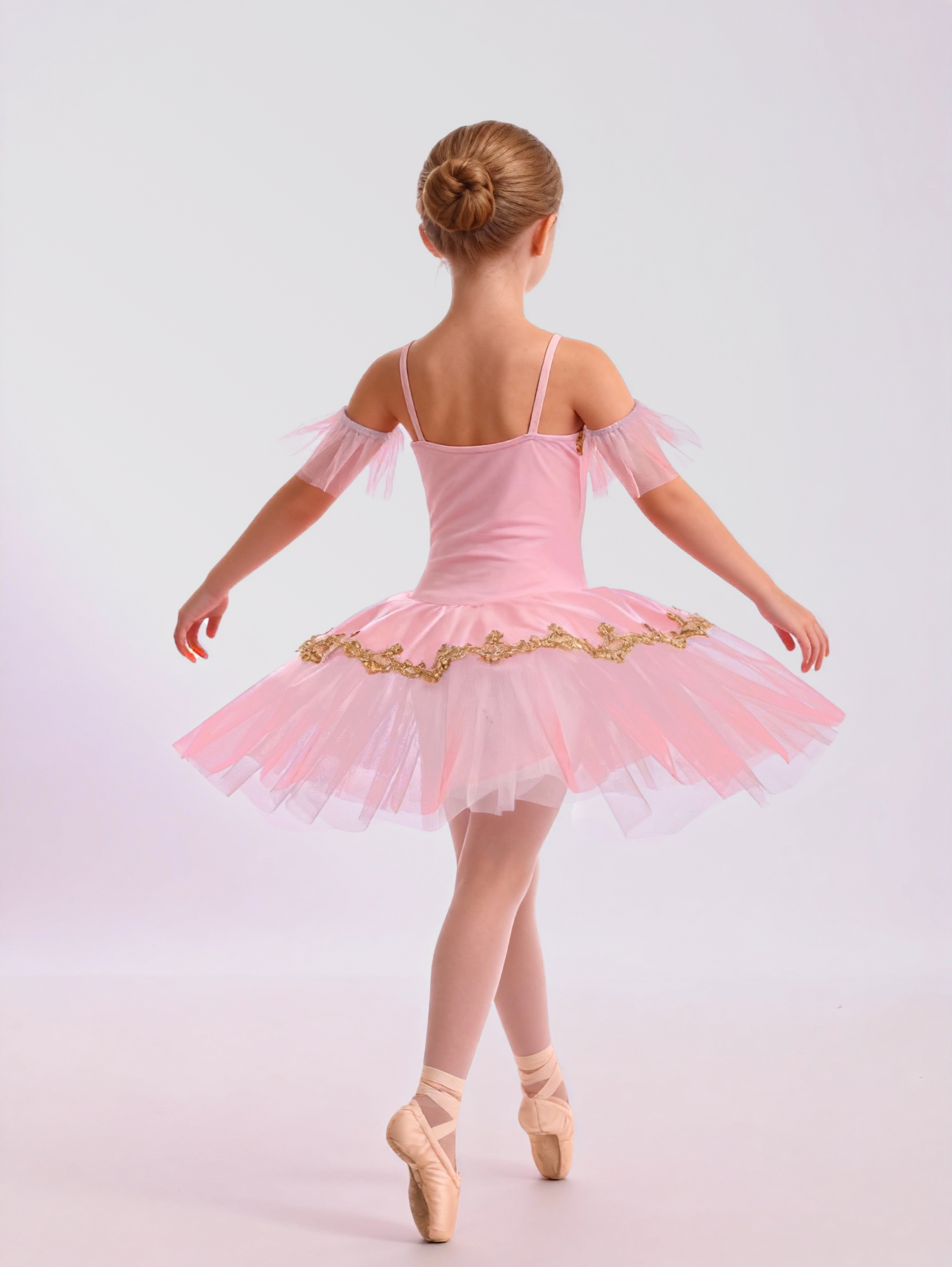
Where to Get Custom-Length Ballet Wear: Brand Models and Studio Solutions
Dancers can access custom-length ballet wear through three main service paths—each balancing precision, cost, and turnaround time.
Boutique Tailoring, Semi-Custom Kits, and Digital Pattern Adjustment Compared
| Model | How it works | Precision | Typical lead time |
|---|---|---|---|
| Boutique tailoring | A trained fitter measures torso, inseam, girth, and arm length; pattern is altered by hand | Highest; handles complex proportion changes | 3–6 weeks |
| Semi-custom kits | Dancer chooses stock size and adjusts only key lengths such as torso or leg | Moderate; limited to listed length options | 1–2 weeks |
| Digital pattern adjustment | Photos or body scans generate a made-to-measure pattern algorithmically | High for simple proportions; less for unusual shapes | 2–4 weeks |
Choosing depends on whether the dancer needs a minor length tweak—or a full proportional regrade.
FAQs
Why do standard ballet wear lengths fail to fit dancers properly? Standard ballet wear lengths are based on uniform grading rules, which do not account for the diverse body proportions of dancers, such as varying torso-to-leg ratios or shoulder and hip shapes.
How can ill-fitting ballet wear impact a dancer's technique? Improperly fitting ballet wear can restrict motion, disrupt alignment, and increase injury risks by creating pressure points and forcing dancers to compensate during performance.
What challenges does customization of ballet wear present? Customizing ballet wear involves handling complex fabric behaviors like stretch recovery, operational barriers like labor costs, and lead times for individualized measurement validation.
Are there affordable options for custom-length ballet wear? Yes, semi-custom kits or digital pattern adjustments provide moderate precision and quicker turnaround times compared to fully bespoke options.
Why is proportional assessment crucial in ballet wear fitting? Addressing torso, shoulder, and hip proportions ensures balanced movement and prevents fit problems like shoulder strain or fabric bunching that impact performance.