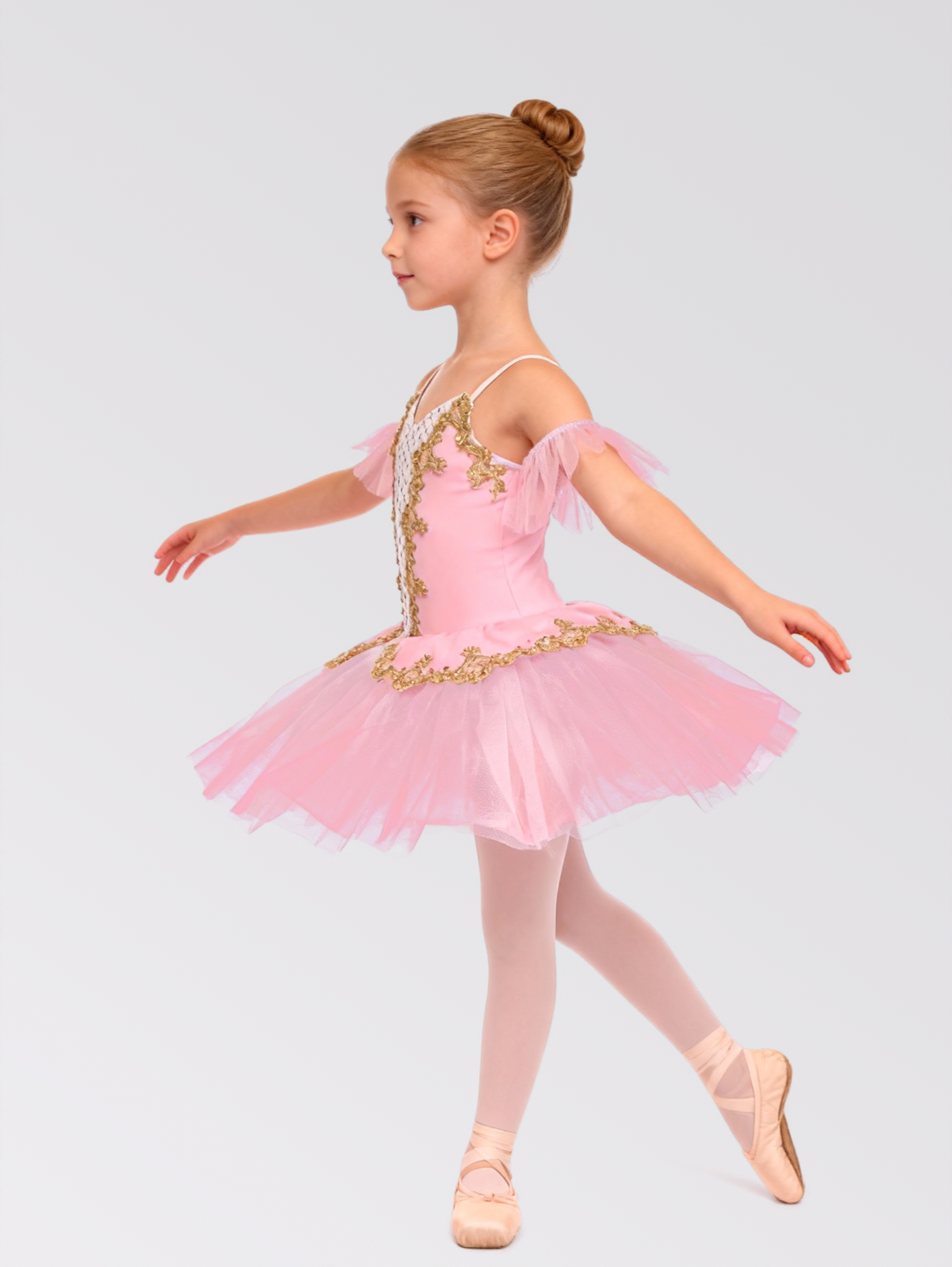
Why Standard Ballet Wear Lengths Fail Dancers Proportional Diversity Among Dancers and Its Impact on Fit Standard ballet wear relies on uniform grading rules—adding fixed increments of length and width across sizes. But dancers vary widely in...
VIEW MORE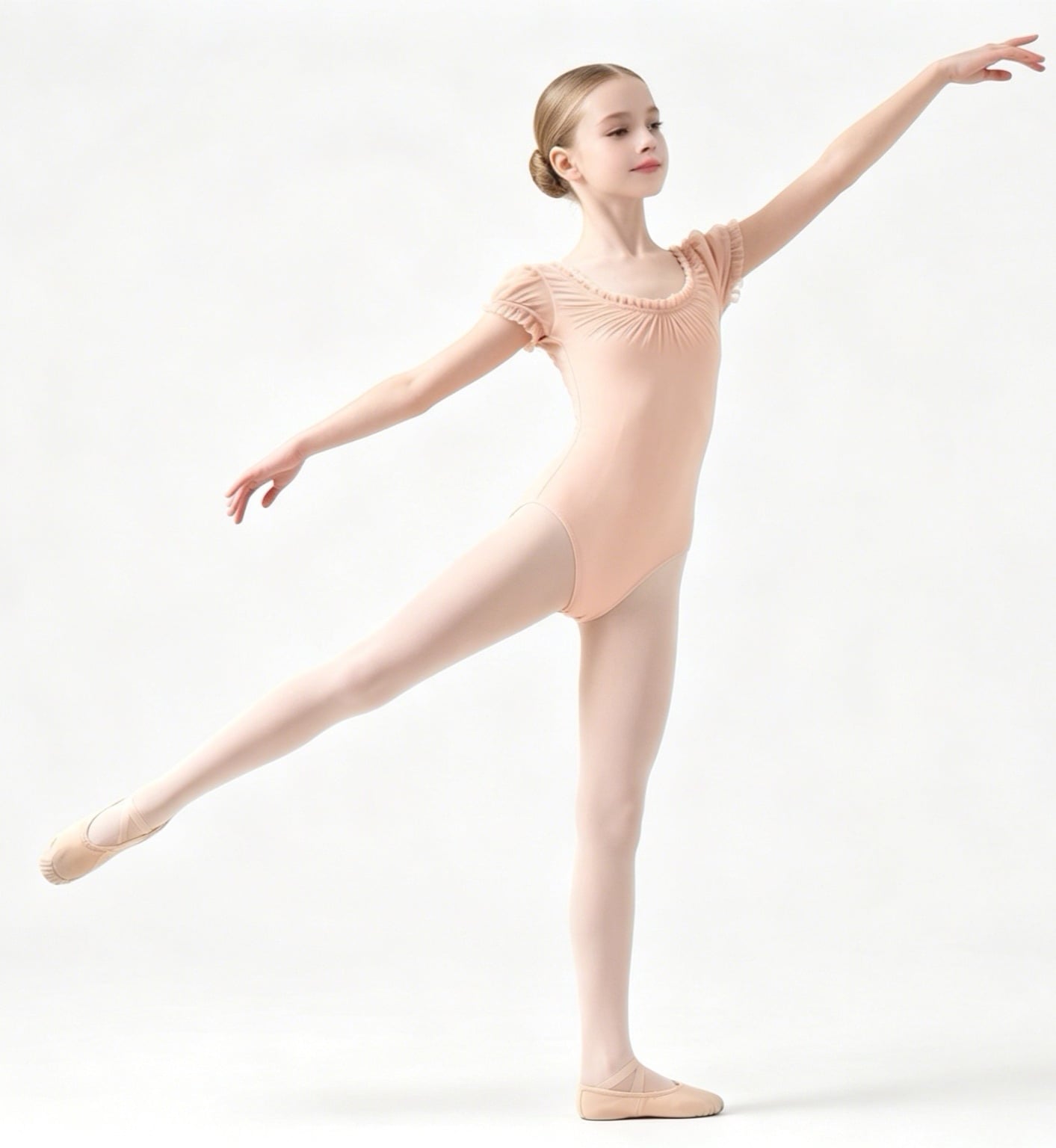
Quiet Performance: Minimalist Dance Wear for Focus and Function Why muted tones and streamlined silhouettes dominate studio and stage in 2026 By 2026, quiet performance has reshaped dance wear: muted sage, stone, taupe, and ink replace neon and ove...
VIEW MORE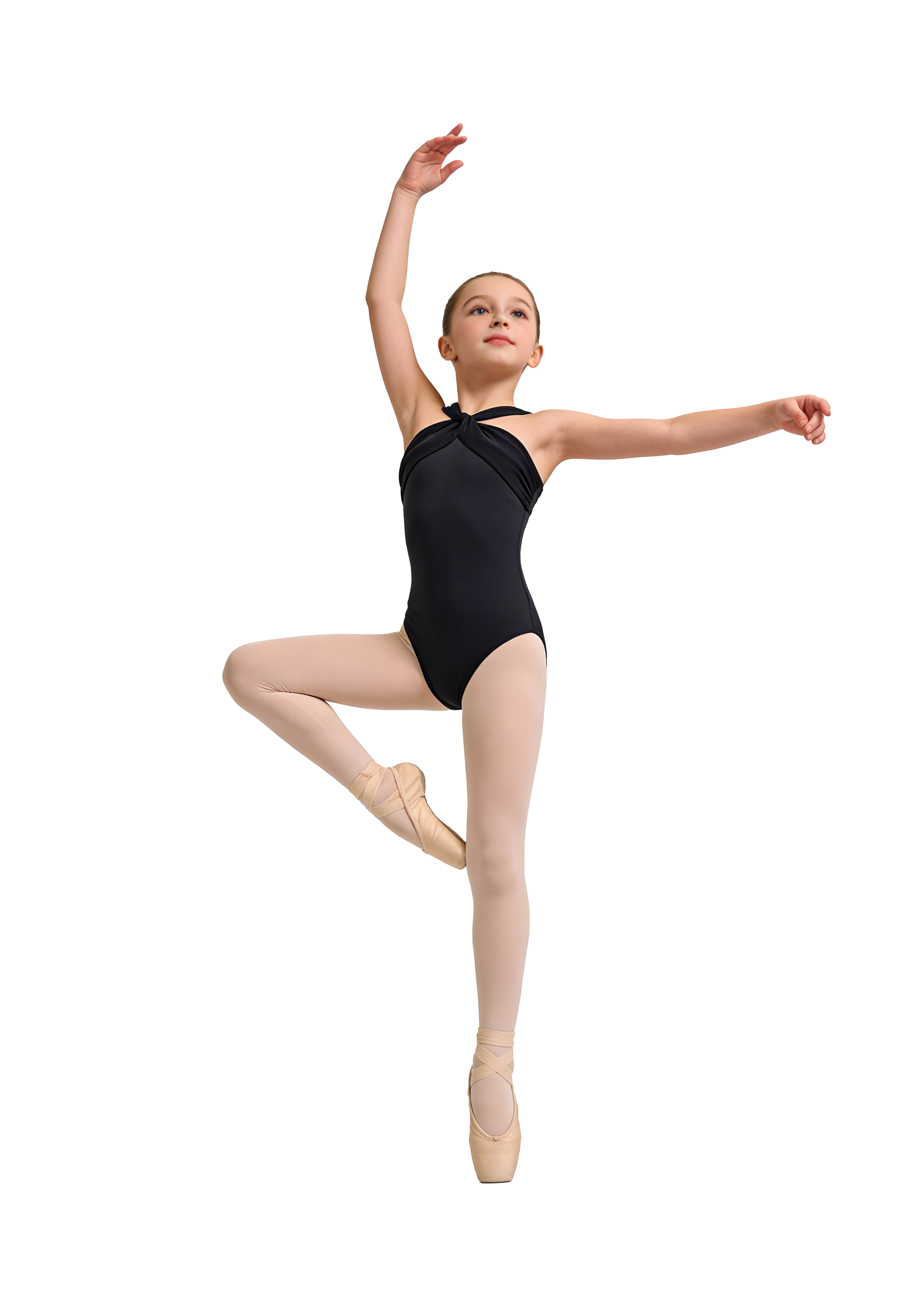
Why Standard Kids Leotard Sizing Struggles With Growth Most size charts for children’s dancewear treat a leotard like a scaled-down adult garment—a flawed assumption that ignores how kids actually grow. Pediatric growth is uneven: torso...
VIEW MORE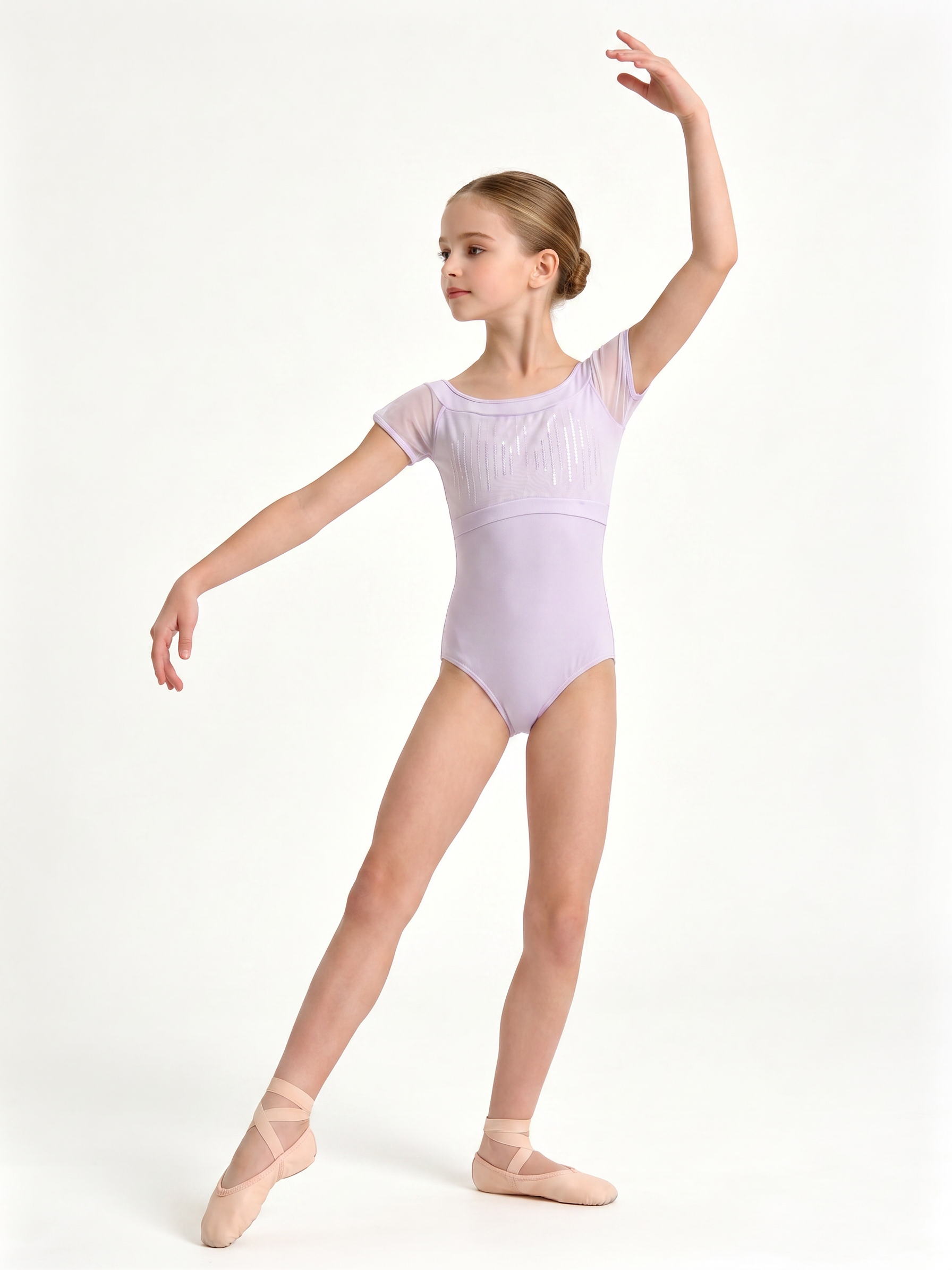
Why Sequins Fall Off: Material, Construction, and Movement Factors Hand-Applied vs. Heat-Set Sequins: Adhesion Strength and Longevity Sequins on a leotard attach either by hand-stitching or heat-set adhesive bonding—two methods with markedly ...
VIEW MORE
Why Small MOQ Custom Dance Wear Is Now Feasible The Shift from Traditional Apparel MOQs to Agile Dance Wear Production Traditional apparel production relied on economies of scale—typically 500 to 1,000 pieces per design—to offset high s...
VIEW MORE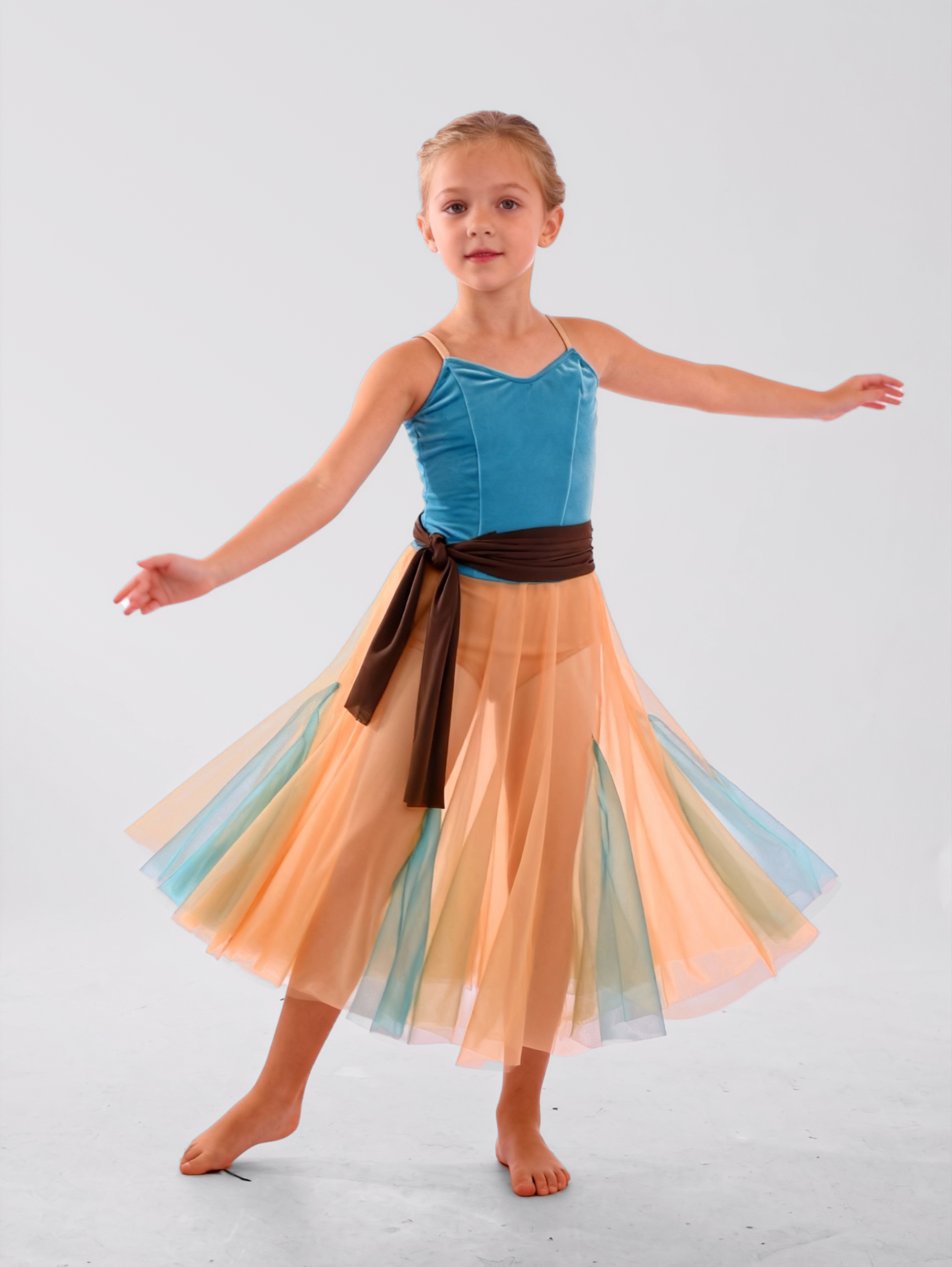
Lyrical dance lives on fluid movement: extended lines, sweeping arm work, leaps, and turns that make fabric part of the lyrical choreography. Lyrical costumes for children must therefore do two jobs at once. They must move with the dancer, stretchi...
VIEW MORE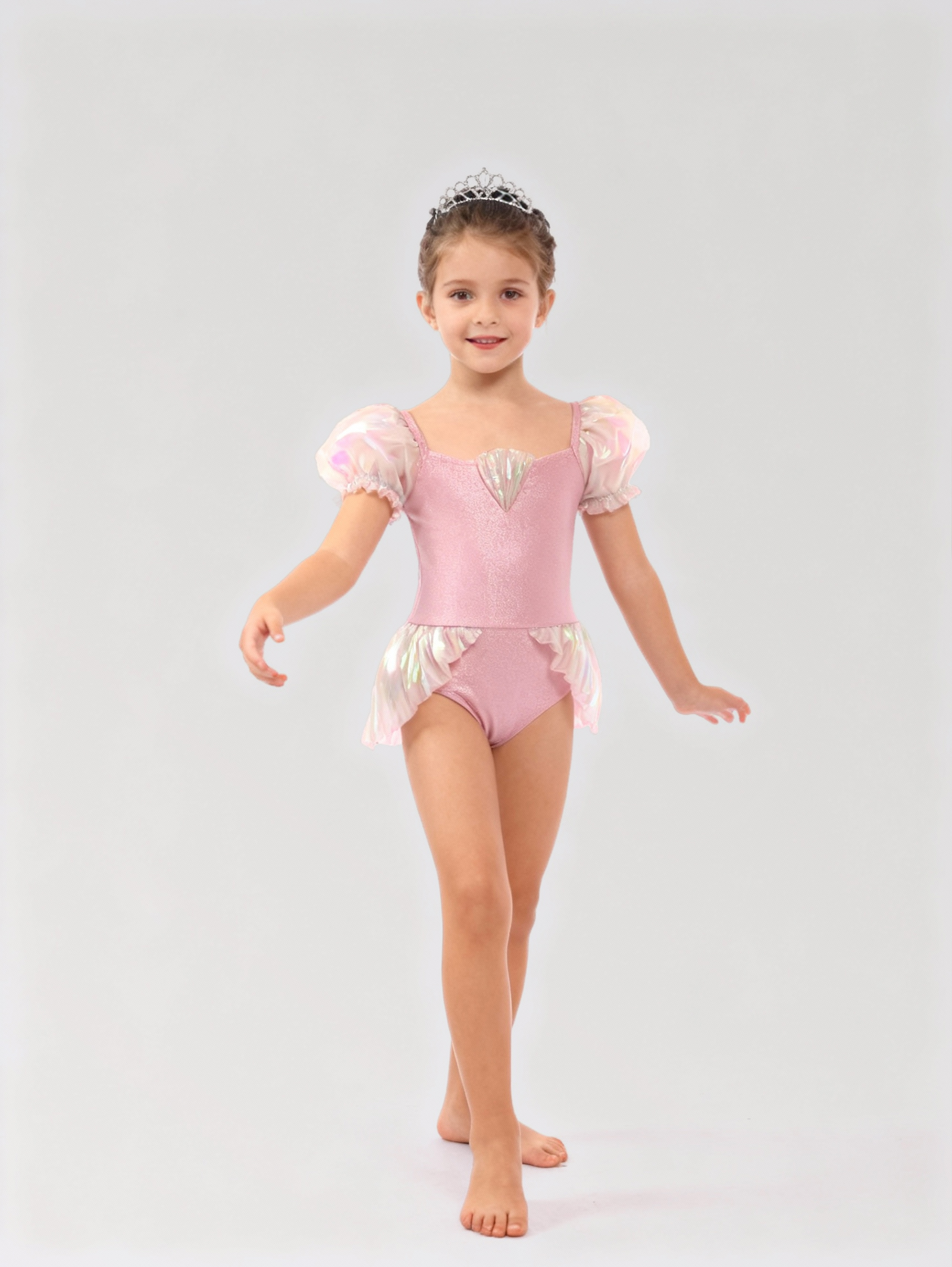
Children's costume sizing is where off-the-rack purchasing fails most often. A six-year-old competitive dancer and a six-year-old recreational student can differ by a full size in proportion while matching in age, and stock sizing built on age aver...
VIEW MORE
Yes, and color customization is one of the most common requests dancewear suppliers receive. Teams want dancewear that reads as one ensemble under stage lighting, studios want class dancewear matched to their branding, and competition programs want...
VIEW MORE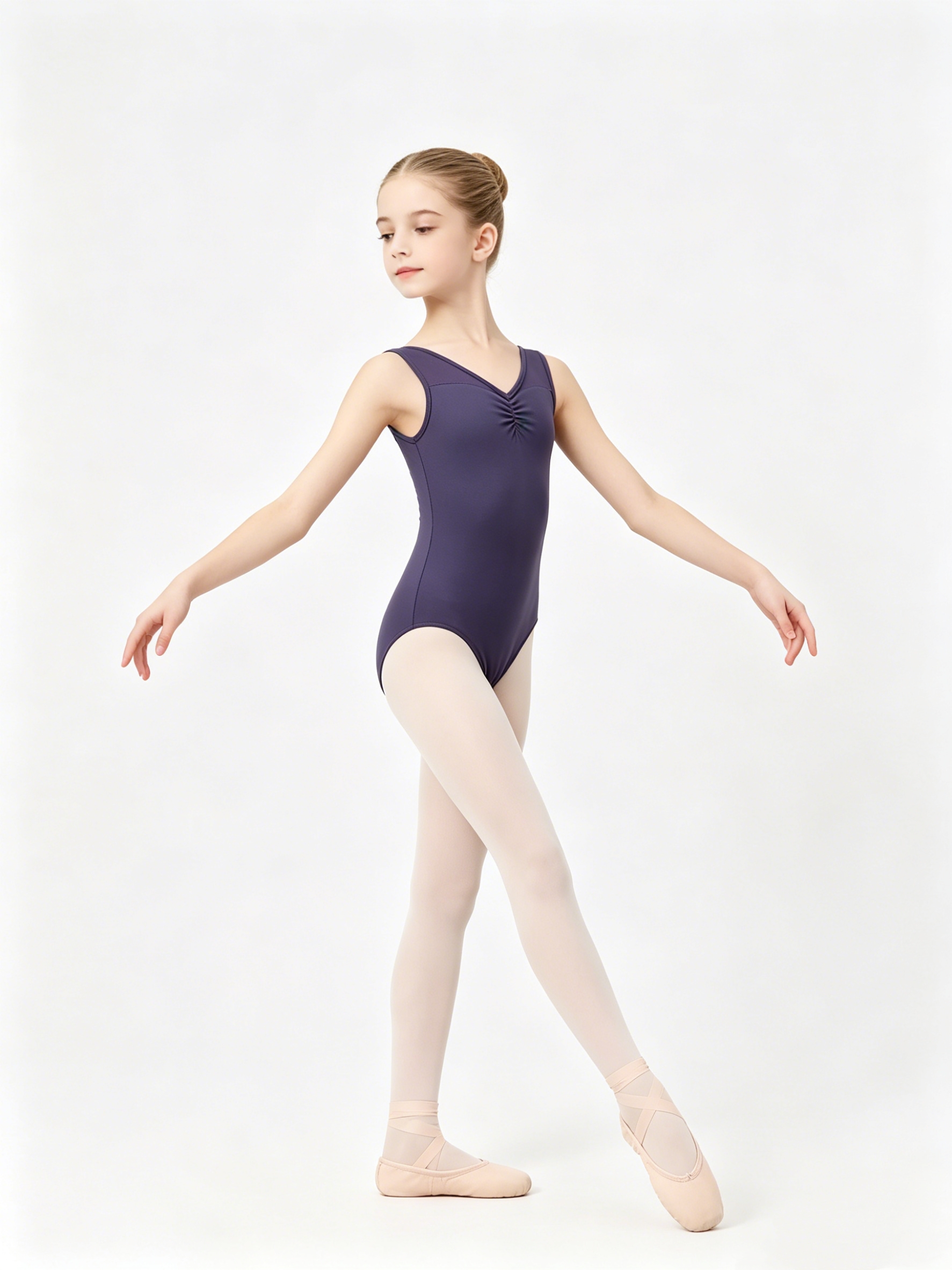
Fabric determines whether dancewear feels like a second skin or a distraction. Breathability and softness are the two properties dancers notice first, and both follow from fiber choice and knit structure rather than from marketing language. Breatha...
VIEW MORE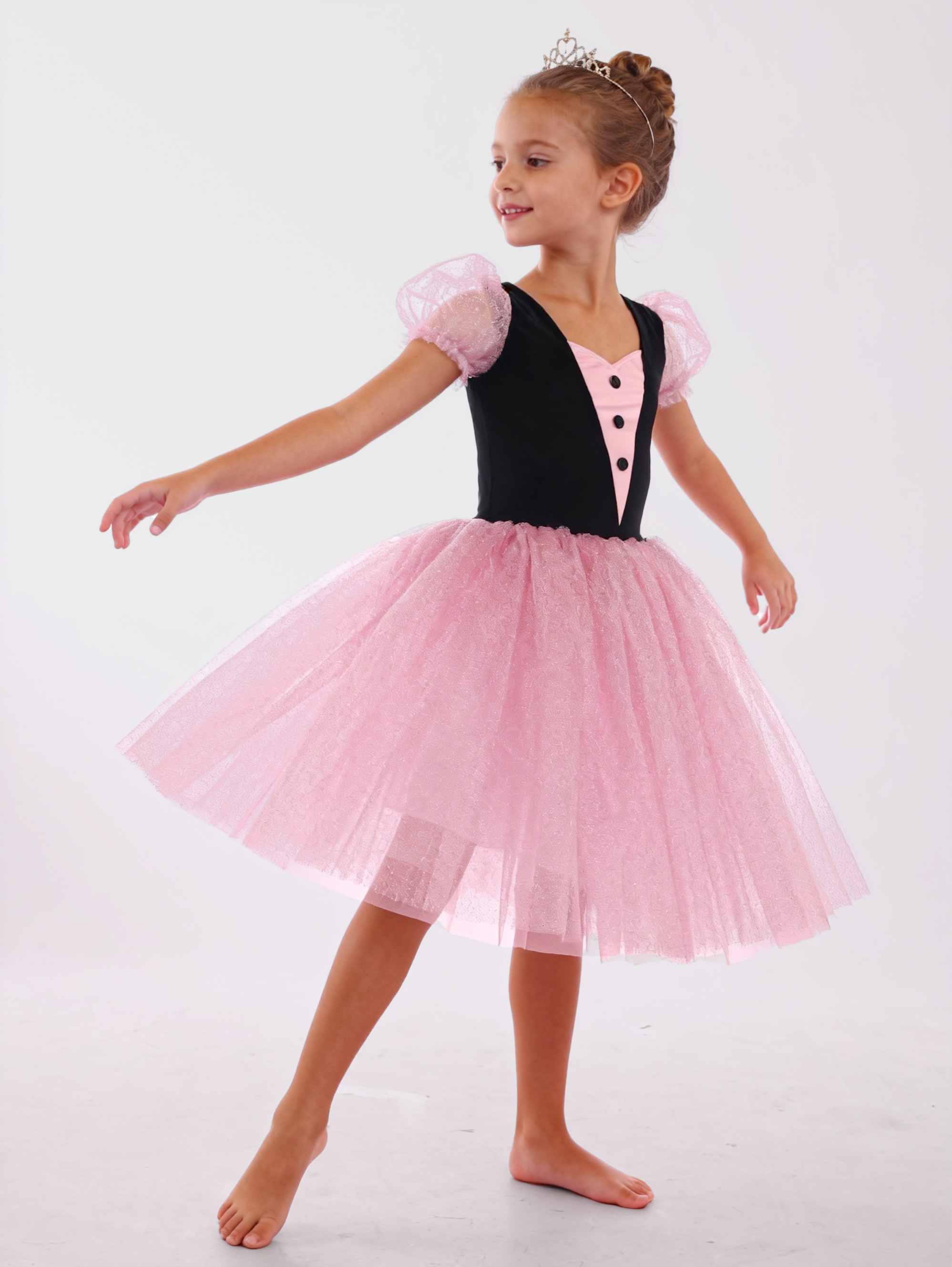
Ballet wear divides into two worlds that a professional costume store serves simultaneously: class wear, built for repetition, wash cycles, and full range of movement, and stage wear, built for appearance under lights and the demands of performance...
VIEW MORE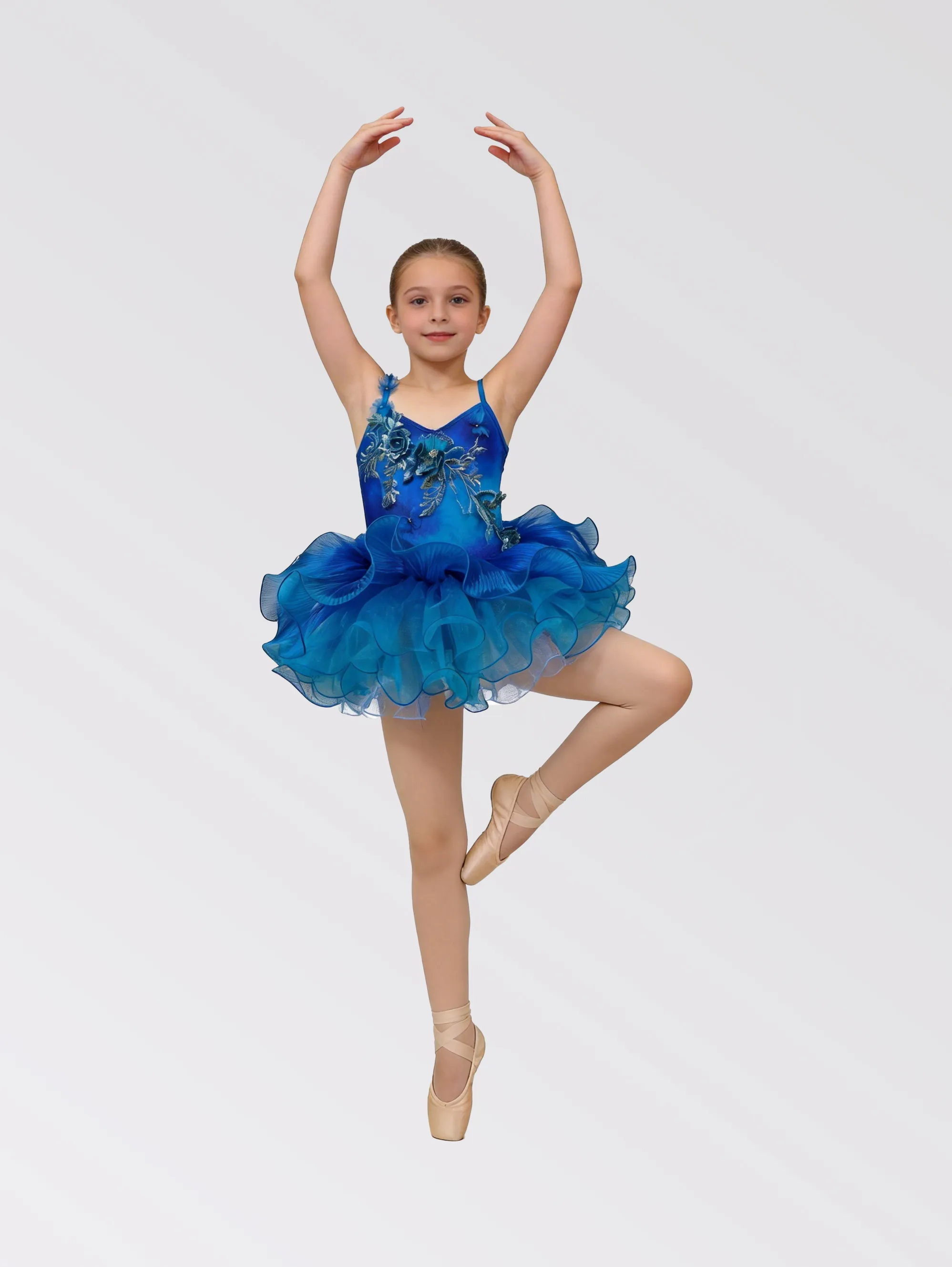
A Parent Group That Needed Costumes in a Week A school play committee realized too late that 25 costumes for kids were still unordered with a week to go. The first seller quoted a month. The second, a store with stocked standard sizes, shipped the ...
VIEW MORE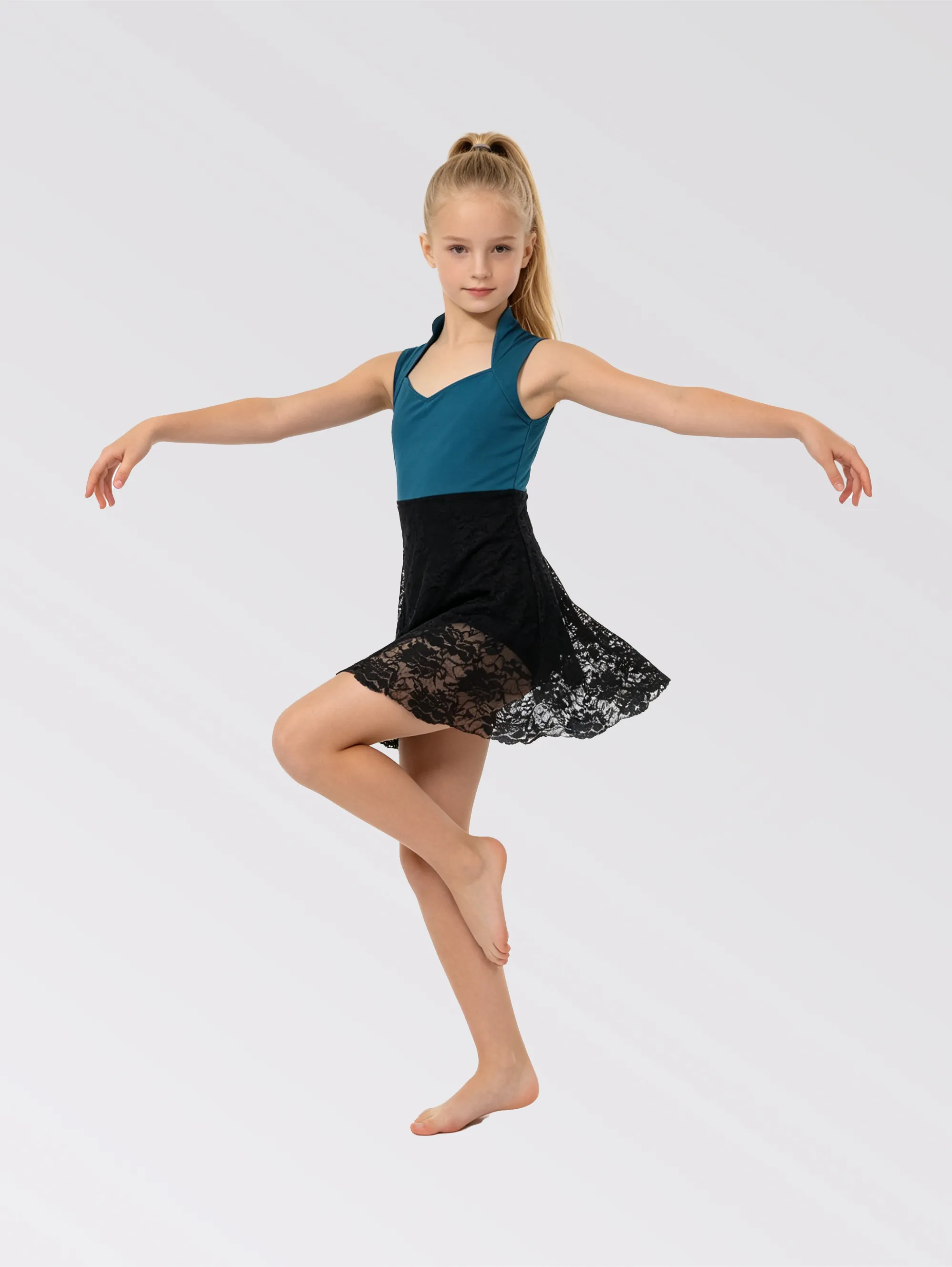
A Gymnastics Club's Search for Steady Supply A competitive club burned through three resellers in a year, each quoting a different leotard fit from the same factory photo. Membership grew, and inconsistent sizing sent parents to alterations weekly....
VIEW MORE
 EN