
 EN
EN


A Wardrobe Call From a Children's Dance Recital
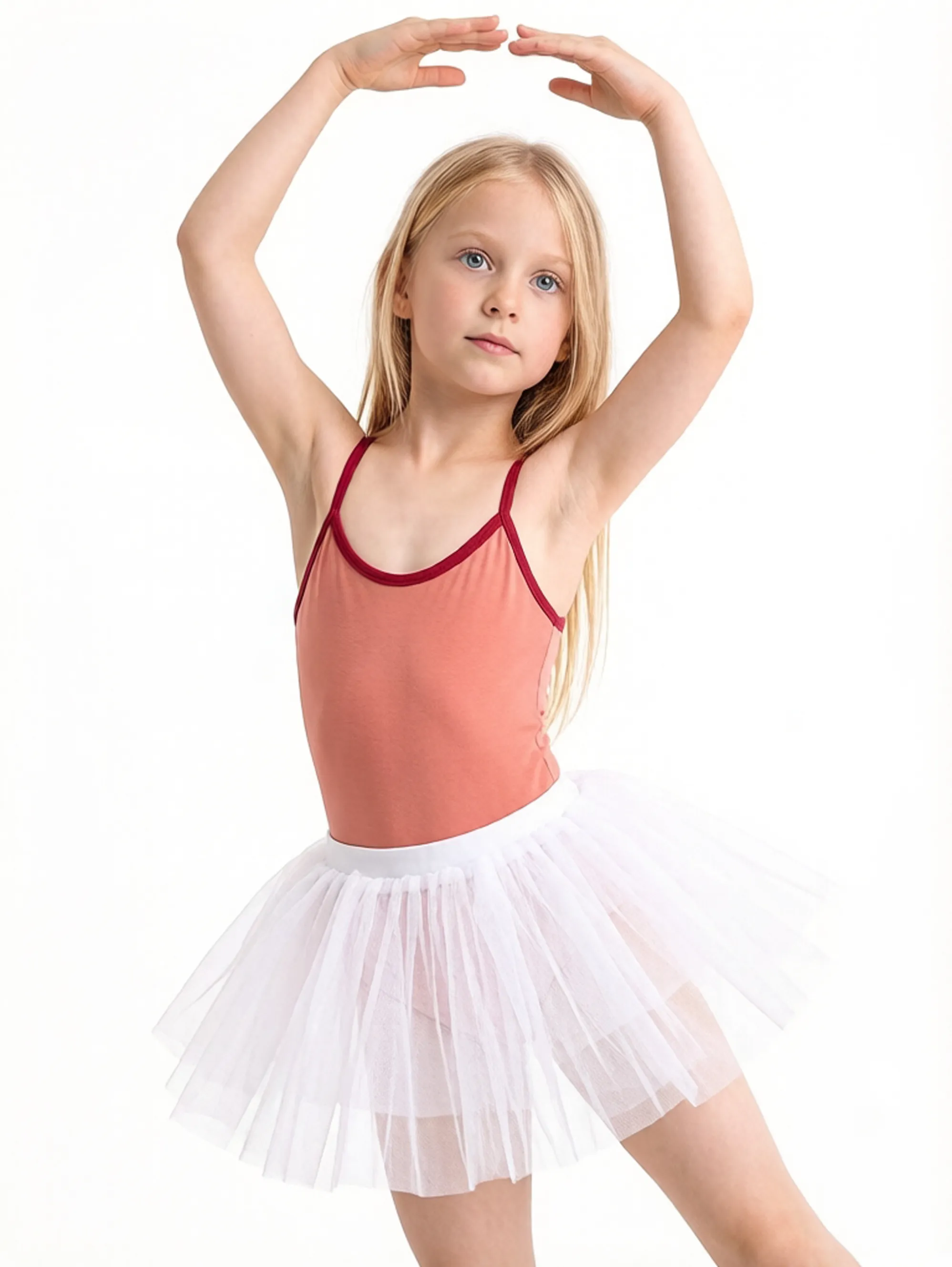
A regional studio booked 40 children for a winter showcase. Most costumes for kids arrived in fixed sizes, and half the straps sat too loose on smaller shoulders. During dress rehearsal, two straps slipped mid-spin, and a parent had to pin them backstage. That scramble is common, not rare. Costumes for kids rarely fit a single body type, because young dancers grow between fittings and between shows.
What Happened When Straps Wouldn't Hold
The studio ordered standard S/M/L costumes for kids from a generic seller. Shoulder straps had no adjustment, so they gaped on lean frames and dug in on broader ones. One dancer kept pulling the bodice up between numbers. The fix that night was safety pins, which is exactly the kind of workaround that fails under stage lights and fast changes.
Why Ill-Fitting Straps Put Young Dancers at Risk
Loose straps force constant fidgeting, which breaks focus and can trip a child on a raked stage. Tight straps restrict breathing and leave red marks by intermission. For costumes for kids, fit is not a comfort detail — it is a performance-safety issue. A strap that drops mid-routine pulls the whole garment, and a quick-change backstage leaves no time to re-pin.
How Adjustable Straps Actually Work
Adjustable straps solve the fit problem by letting one size cover a range of bodies. The mechanism matters more than the marketing copy.
Elastic vs. Tie-Back vs. Slider Buckles
Elastic inserts give soft stretch but can over-stretch after many wears. Tie-back ribbons offer the widest range and a clean line, yet they need tying skill. Slider buckles with a ring clip are the most reliable for costumes for kids because a parent or teacher can reset the length in seconds. Many studios default to slider styles for group orders.
Fabric Choice That Keeps Straps From Cutting In
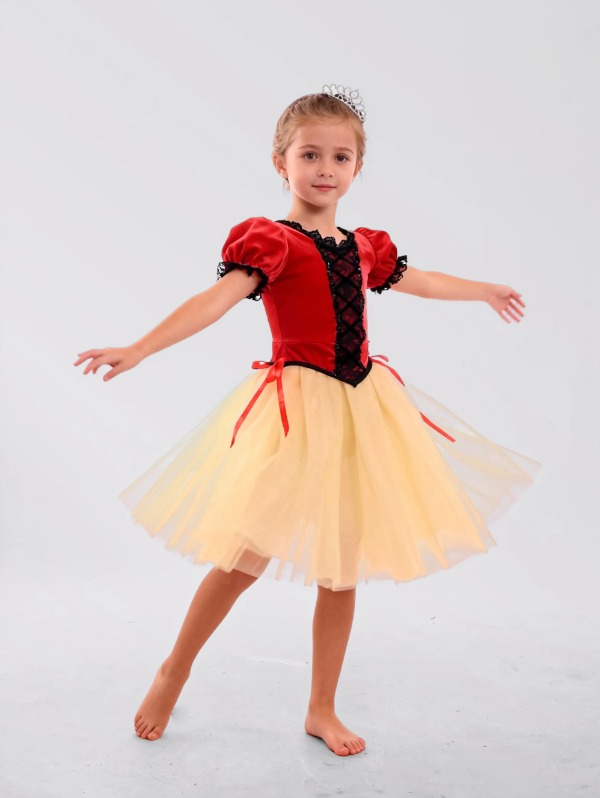
A strap is only as kind as its edge. Soft bridal satin or powermesh backed with lingerie elastic reduces pressure points. Rough trims and uncovered seams turn straps into irritants. Costumes for kids should use a lining at the shoulder so the adjustment hardware never touches skin directly.
Sizing Ranges That Grow With the Child
Smart makers build adjustable costumes for kids in overlapping size bands — for example, a 4–6 band and a 6–8 band that share strap length. That overlap lets one garment serve two recital seasons. Buying with growth room, then tightening the straps, beats buying exact and hoping the child stays still.
What Safety Standards Say About Kids' Costumes
Children's dress-up falls under real U.S. rules, and a responsible costume store should know them cold.
CPSIA Limits and Why They Apply to Costumes
The Consumer Product Safety Improvement Act (CPSIA) caps lead at 100 ppm in accessible parts and restricts phthalates in children's products. Costumes for kids sold in the U.S. must meet these limits, and reputable suppliers keep third-party lab reports on file. Always ask for the test certificate before a bulk order, because the document proves the straps and trims are compliant.
Flammability and Toy-Safety Rules
16 CFR Part 1610 sets the flammability standard for clothing textiles; costumes for kids with loose trims need extra care near stage lights. When a costume is marketed as a toy or worn playfully, ASTM F963 toy-safety rules can also apply. Oeko-Tex Standard 100 and an ISO 9001:2015 quality system signal that a factory controls materials and processes, not just the price tag.
Practical Picks and Care
What to Check Before Ordering
Request the strap adjustment type, the shoulder lining, and the CPSIA lab report. For costumes for kids in group sizes, order one sample and fit three different body types. Annashi and comparable suppliers publish these specs on product pages, which makes comparison faster. Confirm restock lead time before a recital date so a broken strap does not become a cancelled number.
What to Wear, and How to Wash
Fit the child, then set the slider once and mark the slot with a tiny stitch. Hand-wash or use a mesh bag on cold; heat shrinks straps and loosens elastic. Lay flat to dry. Costumes for kids last longer when straps are adjusted, not stretched, and when hardware stays out of the dryer. A quick post-show check catches frayed edges before the next performance.
Frequently Asked Questions
Question: Do adjustable straps really fit more body types?
Answer: Yes. Adjustable straps let one costume cover a range of shoulder widths and torso lengths, which matters because costumes for kids must fit children who grow between fittings. Slider buckles and tie-backs handle the widest range, while fixed straps only suit one body. A single adjustable style often replaces two fixed sizes in a studio's wardrobe.
Question: Which strap type is safest for stage use?
Answer: Slider buckles with a ring clip are the safest for live performance. They reset in seconds, hold tension through spins, and avoid the knots that tie-backs require. For costumes for kids in recitals, a slider keeps the bodice secure during quick changes. Elastic alone stretches over time, so pair it with a fixed anchor point.
Question: Are adjustable kids' costumes compliant with U.S. safety rules?
Answer: They must be. CPSIA limits lead and phthalates in children's products, and 16 CFR 1610 covers fabric flammability. Costumes for kids sold domestically should ship with a third-party lab report. Ask the supplier for documentation before buying, because compliance is the factory's responsibility, not a bonus feature.
Question: How should straps be washed without losing adjustment?
Answer: Hand-wash or use a mesh bag on a cold, gentle cycle, then lay flat to dry. Heat shrinks webbing and loosens elastic, so keep hardware away from the dryer. Costumes for kids with slider buckles should be fastened before washing so the hardware does not snag adjacent fabric during the cycle.
Question: Can one size of adjustable costume fit two seasons?
Answer: Often, yes. Makers build overlapping bands — a 4–6 and a 6–8 — that share strap length, so costumes for kids can be tightened as the child grows. Buy with a little growth room, set the strap once, and mark the slot. This approach cuts reorder frequency for studios and parent groups alike.
Question: What should a buyer verify before a bulk order?
Answer: Confirm the adjustment type, request the CPSIA report, and fit one sample on three body types. Annashi and similar suppliers list these details on the product page. For costumes for kids in group sizes, also check restock lead time so a broken strap does not delay a show. A sample order beats a surprise on opening night.