
 EN
EN

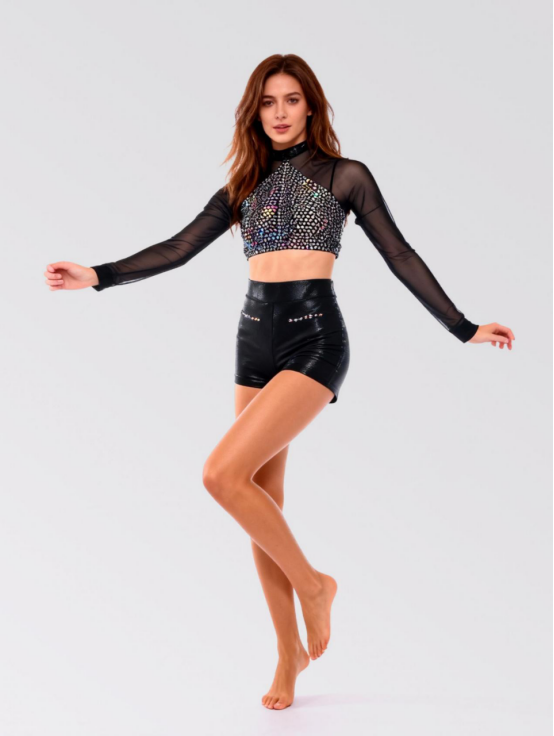
Meaning of 'Ready-to-Ship Jazz Costumes'
A "Ready-to-Ship" jazz costume means that there are products already made and sitting in a warehouse, and can be shipped immediately. These are not custom pieces that are made and take time to be fitted. These are made in advance so that customers do not have to wait to go through the fitting process or deal with delays in production. This can help dance studios who are in a rush to get everyone in costume before a performance. However, just because something is marked as "Ready-to-Ship" does not mean that it will fit everyone. Additionally, it is impossible to fit a whole store because the customers will end up in a large store and try to find the large fit. Most of the time, there will be a large variant to be fit. Most of the time, there will be a large variant left, and the customers will not find the large variant to use.
A significant market report indicates a loss of last-minute substitutions in 78% of "rush-ready" declarations. For jazz groups, this term should be an indication of three main truths:
- Prefabrication with the use of a prototype, and minimal design flexibility.
- More rapid completion of the prototype, generally in the time of 3 to 7 working days.
- Limit of design space through the use of prototyping with minimal or no choices to adapt.
It is better to clarify if "Ready to Ship" means that the items are truly available in stock, or if there are delays in handling that affect the items that are not in stock.
Factory-Direct Jazz Costumes: Speed, Clarity, and the Reality of Inventory
How direct-from-factory fulfillment slashes lead times for jazz ensembles.
Jazz costumes that go directly from the factory to the dance studios mean that there are no middlemen, and no warehouses that need to get involved in the process. Instead of having to wait 8 weeks or more for outfits from "traditional" retailers, dance companies receive their outfits in 2 to 4 weeks. The model somewhat resembles that of today's fast fashion. Local manufacturing and quick responsive capabilites of today's fast fashion manufacturers to customer needs reduces wait times by 50% or more. This is crucial for the jazz troupes that need to have their gear in time for performances and competitions. Also, since factories set their own production schedules, they have the ability to prioritize production of specific orders as they see fit, resulting in no order getting stuck in a bottleneck.
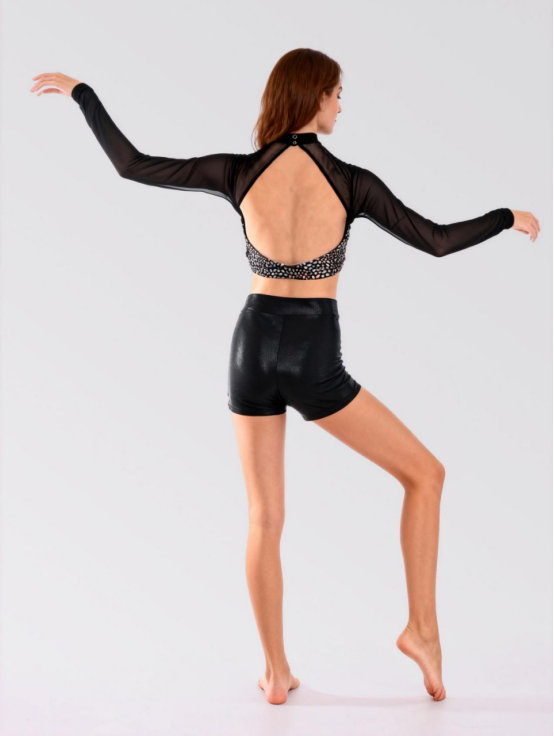
Gaps in size-inclusive ready-to-ship inventories for jazz costumes
While factory-direct shipping is often faster for receiving bulk orders, most off-the-rack jazz costumes are still predominately manufactured in size ranges from Small to Large. This sizing only encompasses 2/3 of dancers on average. Extended sizing like XXS and 2X and above requires buyers to submit a special request for manufacturing, as most costume manufacturers do not produce extended sizing because they want to avoid excess stock. A 2023 survey conducted by Dance Education found that 39% of dance studios delay or cancel performances in order to find costumes that fit all of their dancers. This demonstrates the extent of the sizing issue dance studios need to resolve. Companies that survive and prosper in this market are those that offer individualized costumes and broader size ranges. Studies show repeat customers due to this increased flexibility in sizing and design can increase by 30%. This suggests the sustainability of a business, in large measure, depends on maintaining a size-inclusive stock.
Retail vs. True Factory-Direct Jazz Costumes: Major Distinctions
Cutting out retail markups means buying jazz costumes straight from the factories. Customers can save 20 to 40 percent as these costumes go directly from production to the consumer. Retailers take a wholesale item, put their brand on the packaging, and call it “ready to ship.” This is also where they hit you with “additional handling fees.” And be honest, you know packages spend way longer than they should at the shipping facility. It can take 2 to 3 weeks longer to ship. The Ponemon Institute said supply chain fraud costs businesses about $740,000 a year. A lot of it stems from unclear sourcing, where no one knows where the stuff is coming from.
Identifying deceptive 'ready to ship' statements in listings for jazz costumes
When determining whether suppliers are trustworthy, request documentation for factory certifications and live views of their inventory. Legitimate suppliers typically return these documents within a day. Be cautious of statements that say something will ship “in 1-3 business days” without providing a production address. Research shows that about 66% of these statements are related to clears that ship from a third-party. Missing range gaps on sizing charts are another indication that a business is a drop shipper. If a retailer's only size options are small through large, they are most likely a drop shipper from another retailer. Genuine suppliers will be willing to discuss exclusive contracts and will provide restrictions on less than full ranges. In contrast, most resellers provide vague statements that something is “from overseas” without specifying what country, what fabric they are talking about, or what the actual supply chain looks like.
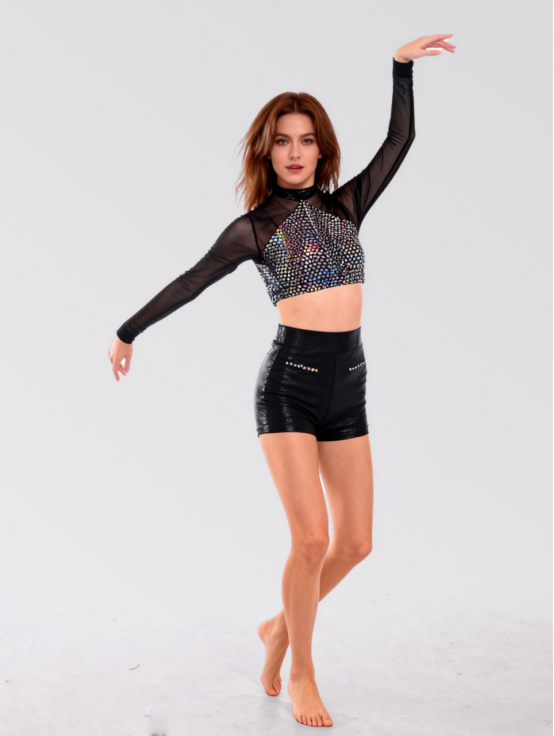
How Dance Studios Can Find Reliable Jazz Costumes Ready to Ship
Three ways to evaluate genuine suppliers of factory-direct jazz costumes
Factory-direct purchases by dance studios requires rigorous evaluation of the suppliers based on these mandatory criteria:
Transparency of Stock
To evaluate jazz costumes suppliers, get up-to-date warehouse reports to see real-time stocks of the costumes. Genuine suppliers provide dated inventory snapshots. Those with “partner networks” or cite vague availability claims should be avoided.
Verification of the Supply Chain
Genuine suppliers maintain direct control of manufacturing, documented by the studios. Most genuine factories have ISO 9001 certification production videos of their own factories, not reseller “partners”. Using documented ownership, studios reduce fulfillment risk by 68% (Dance Retailer Insights, 2023)
Protocol for Sample Evaluation
Before placing bulk orders, samples should be requested. Examine the sample for stitching that won’t break under stress, colors that bleed, and closures that won’t break. Sample costs should be absorbed by the supplier. If the sample is more expensive than the materials, that is a supplier to avoid.
To ensure the costumes can endure the rigors of dance rehearsals, use sources with all the above criteria.
FAQ
What does 'ready-to-ship' mean for jazz costumes?
'Ready-to-ship' refers to the unit being completed and ready for shipment, meaning it does not require any additional customization.
Why are there fewer ready-to-ship jazz costumes in larger sizes?
Due to manufacturer tendencies to optimize their production to cut unsold inventory, larger sizes and specialty cuts are made in fewer quantities.
How can dance studios confirm that the jazz costumes are sent directly from the factory?
Studios can confirm this by asking for reports on inventory transparency, supply chain verification, and authenticity through product samples.