
 EN
EN

What Makes a Kids Costume Survive Daily Dance Practice — Not Just Look Good at Dress Rehearsal
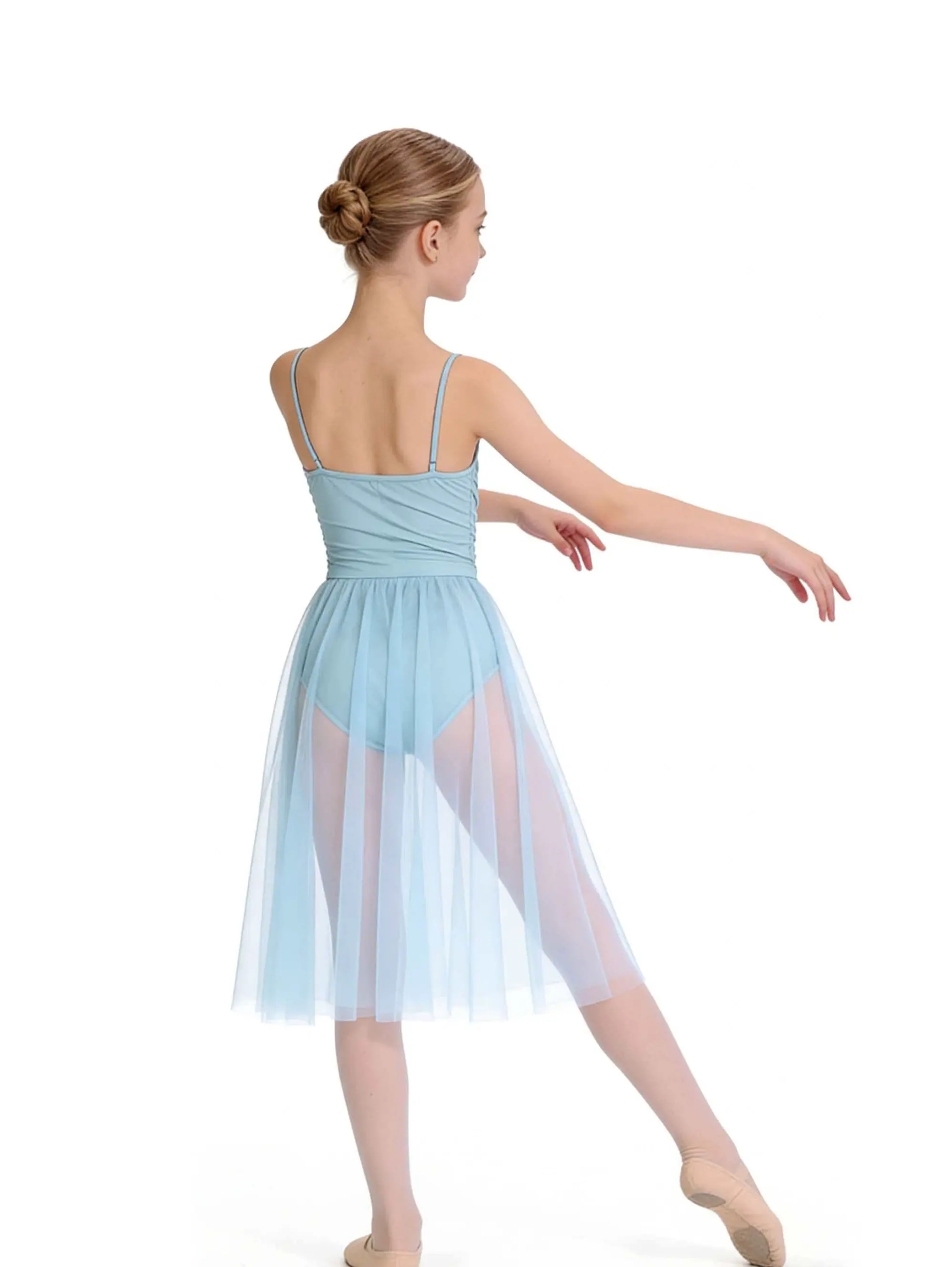
The costume that dazzles at the year-end recital under stage lights, photographed from 15 meters away, can look completely different from the costume that survives 120 hours of barre work, floor rolls, and machine washing between September and June. A kids costume designed for a single performance can use delicate embellishments, limited-stretch fabrics, and untreated seams — because it only needs to look perfect for three minutes. A kids costume designed for daily practice needs to survive everything a young dancer's body does to it: stretching into splits, sweating through combinations, landing on the floor in contemporary sequences, and going through the wash twice a week for months on end.
Shaoxing Aideng Garments, producing dance costumes at its Zhejiang factory for 27 years with OEKO-TEX® Standard 100 certified fabrics, designs practice-grade kids costumes with performance fabric specifications rather than costume-only specifications. The nylon/spandex and polyester/spandex blends contain 10–20% spandex in key stretch zones — enough for the four-way stretch that lets a child move through full range of motion without the costume pulling at shoulders, riding up at the hips, or restricting breath during cardiovascular sequences. The spandex content is the critical variable: below 8% spandex, the fabric loses elastic recovery after 20–30 wear-wash cycles, developing baggy knees, sagging crotch panels, and stretched-out shoulder straps. Above 20% spandex, the fabric becomes too compressive for comfortable all-day wear. The 10–20% range that Aideng Garments uses represents the sweet spot between elasticity, recovery, and comfort for growing children's bodies.
Seam Construction: The Invisible Durability Factor
Why Flatlock Stitching Matters More Than Fabric Choice
A seam that feels smooth on the outside of a kids costume can have a raised ridge on the inside that rubs against skin during every arm lift, leg extension, and torso twist — accumulating friction damage over a two-hour practice session that produces the red marks and skin irritation parents notice after class. Flatlock stitching solves this by joining fabric panels edge-to-edge rather than overlapping them, creating a seam that lies flat against both the outside and inside of the garment. The stitch spreads tension across six threads rather than the two to four threads of a standard overlock seam, distributing the stress of stretching movements so no single thread takes the full load. This is why flatlock seams on a kids costume outlast overlock seams by a factor of three or more under daily practice conditions. Aideng Garments uses flatlock construction on all practice-grade kids costumes precisely because a seam failure during class interrupts training and requires a replacement costume — a cost and inconvenience that dance schools calculate into their supplier decisions.
Real-World Application: A Dance School's Costume Durability Test
A children's dance academy with 80 students aged 5–12 had been purchasing practice leotards from a general children's clothing supplier at 15 per unit — attractive pricing that kept the academy's costume budget under control. But the leotards were failing: shoulder straps snapping at the back attachment point within four weeks, fabric pilling after six washes, and colors fading from bright pink to dusty rose within two months. The academy was replacing each student's practice costume twice per semester — tripling the effective per-unit cost to 45 per student per semester.
Switching to Aideng Garments' practice-grade kids costumes at 19 per unit with the OEKO-TEX® certified fabric, flatlock seams, and 15% spandex content eliminated mid-semester replacements entirely. The higher initial unit price (19 vs. 15) translated to a 65% reduction in per-student annual costume cost because each costume now lasted the full academic year. The total costume budget dropped from 7,200 to 2,500 across 80 students — a savings of 4,700 that the academy redirected to scholarship placements for students from low-income households.
Frequently Asked Questions
What fabric is best for kids practice costumes?
Nylon/spandex or polyester/spandex blends with 10–20% spandex content provide the four-way stretch, shape recovery, and breathability that daily dance practice demands. Cotton/spandex blends are softer initially but lose shape faster and retain moisture. Aideng Garments uses OEKO-TEX® certified nylon/spandex and polyester/spandex blends optimized for training durability.
How many practice costumes does a dance student need per year?
One well-made kids costume should last a full academic year (approximately 80–120 wear-wash cycles) for students attending class 2–3 times per week. Students training 5–6 days per week may need two practice costumes to allow for laundry rotation. Aideng Garments' dancewear is engineered for heavy wash cycles and repetitive movement.
What size should I order if my child is between sizes?
For spandex-blend dancewear, size down — the fabric will stretch to accommodate growth rather than leaving excess material that bunches and restricts movement. If the child is between a Child Large and Adult Small, measure the girth (shoulder through crotch and back to shoulder) and match to the manufacturer's size chart. Aideng Garments provides detailed size charts for accurate ordering.
How do I prevent costume embellishments from falling off?
Practice costumes should minimize embellishments — sequins, rhinestones, and glued appliqués detach during floor work and machine washing. If a performance costume includes embellishments, hand-wash it separately. For practice wear, choose printed designs or embroidered details that survive machine washing. Aideng Garments offers both embellished performance pieces and embellishment-free practice designs.
Can kids costumes be worn for multiple dance styles?
A basic tank or camisole leotard works for ballet, jazz, lyrical, and contemporary practice. Specialized costumes (tutus for ballet performance, fringe dresses for tap) are style-specific and used less frequently. Aideng Garments' leotard collection covers both multi-style basics and style-specific performance pieces.
What safety certifications should children's dancewear have?
OEKO-TEX® Standard 100 certification confirms that every component of the garment — fabric, thread, buttons, zippers, dyes, and prints — has been tested for harmful substances and is safe for direct skin contact. This is especially important for children who wear dancewear for extended periods against sensitive skin. Aideng Garments uses OEKO-TEX® certified materials across its kids costume product line.