
 EN
EN


A Gymnastics Club's Search for Steady Supply
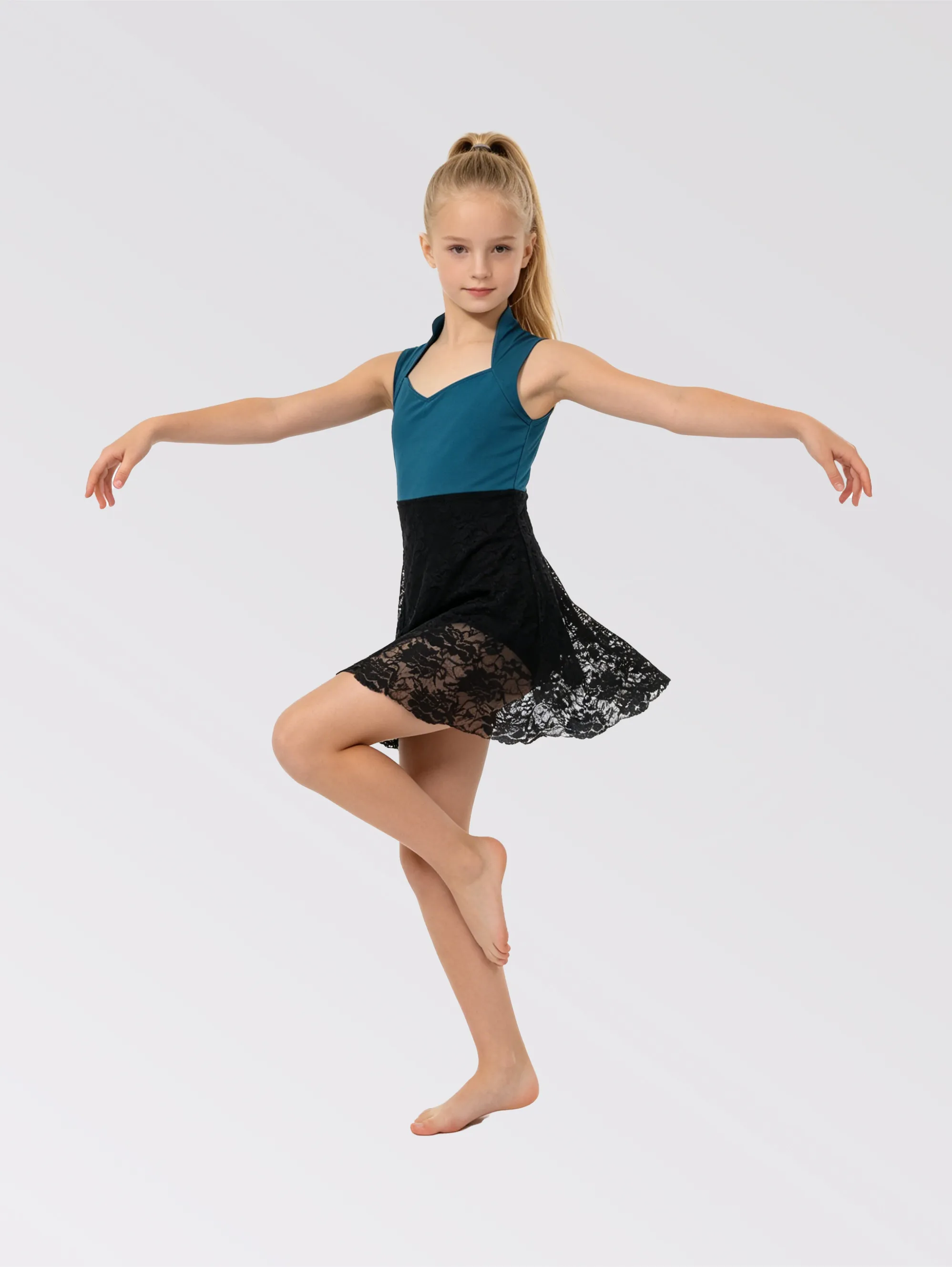
A competitive club burned through three resellers in a year, each quoting a different leotard fit from the same factory photo. Membership grew, and inconsistent sizing sent parents to alterations weekly. The club finally contracted a factory-direct leotard maker with a fixed grading table. Direct sourcing turned a guessing game into a spec sheet the whole team could trust.
Why Leotard Fit Decides Class Comfort
A leotard that rides up or binds at the strap breaks concentration in a floor routine. Kids notice discomfort faster than adults and adjust mid-move, which judges catch. A well-made leotard holds the torso flat without squeezing, so the athlete thinks about the skill, not the seam. Fit is the product, not a side effect.
The Risk of Middleman Markup and Gaps
Every reseller layer adds cost and removes control. A middleman cannot change the strap width or the dye lot; the factory can. Worse, a reseller may go silent between seasons, leaving a club with no reorder path. A leotard bought through three hands costs more and ships less reliably than the same unit from the source.
What a Factory-Direct Leotard Supplier Controls
Fabric, Stitch, and Elastic Quality
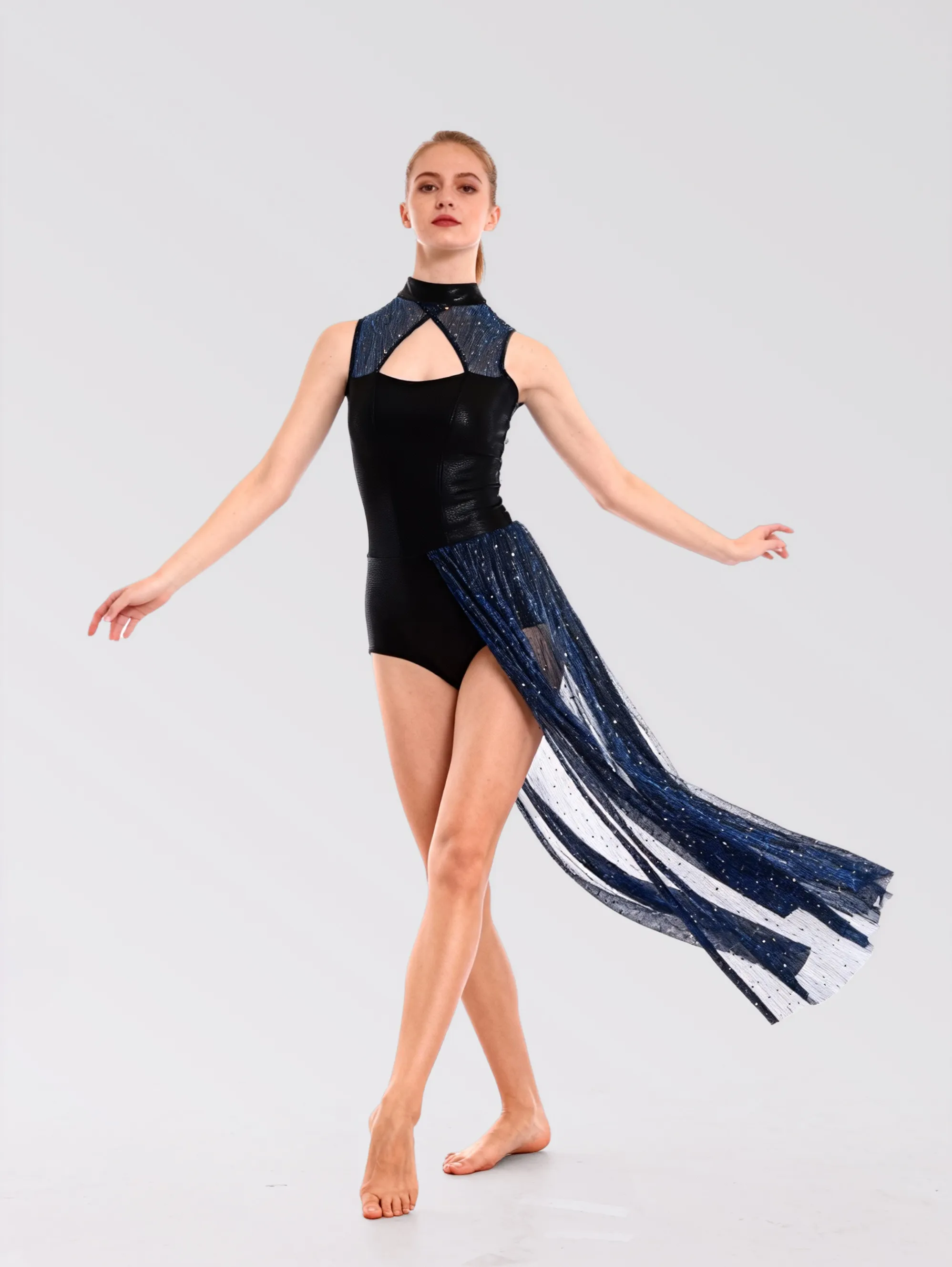
Direct makers choose the knit weight, the flatlock versus overlock seam, and the elastic recovery rating. A quality leotard uses four-way stretch with high recovery so it returns to shape after a hundred wears. Ask for the fabric composition and the stitch spec; a factory-direct leotard supplier answers with numbers, not adjectives.
Custom Sizing and Low Minimums
Factories set their own minimums, so direct buyers often reach lower first-order quantities and true custom grading. A leotard program for a growing club can add a half-size without switching sellers. This flexibility keeps the team in consistent kit as bodies change through a competitive year.
Lead Time and Production Capacity
A factory-direct leotard supplier states capacity in units per week, not promises. That number tells a club whether a 200-piece reorder lands before regionals. Direct lines also let buyers stagger deliveries, which smooths cash flow and storage for seasonal sports.
Compliance You Must Verify
CPSIA Limits for Children's Leotards
Kids' leotards sold in the U.S. must meet CPSIA lead and phthalate limits, with third-party lab proof. A factory-direct leotard supplier should hold the report for the exact fabric and trim used, not a generic certificate. Request it by style and dye lot so the compliant sample matches the shipped batch.
Flammability and ASTM F963 for Kids' Wear
16 CFR Part 1610 covers clothing-textile flammability, and ASTM F963 can apply when a leotard carries toy-like decoration. Oeko-Tex Standard 100 and an ISO 9001:2015 system show the factory controls materials and process. For a leotard worn close to skin by children, those checks are non-negotiable, not optional polish.
How to Choose and Maintain
What to Check Before Committing to a Supplier
Request the grading table, the fabric spec, and the CPSIA report, then order one sample per size. A factory-direct leotard supplier should welcome that step. Annashi and comparable makers publish compliance and spec details per listing, which shortens vetting. Confirm reorder lead time and whether custom sizing carries a surcharge.
Fitting, Washing, and Storing Leotards
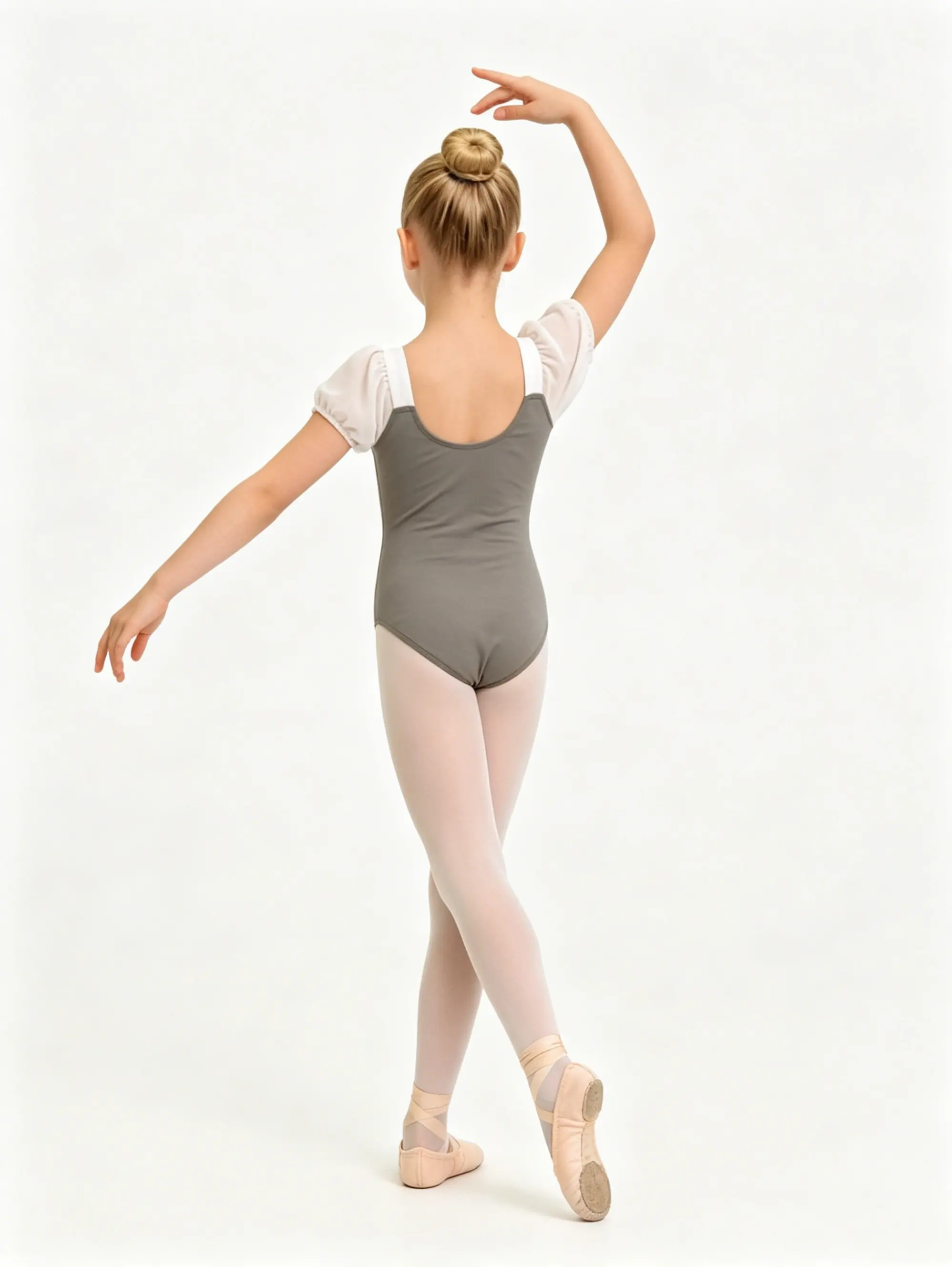
Fit the athlete, then mark the size on the tag with a fabric pen. Wash cold inside out, skip fabric softener that breaks elastic, and lay flat to dry. A leotard stored folded with tissue keeps its shape better than one hung by the strap. Rotate units so no single leotard carries the whole season's wear.
Frequently Asked Questions
Question: What does "factory direct" mean for leotard buying?
Answer: It means buying from the maker that cuts, sews, and finishes the garment, with no reseller between. A factory-direct leotard supplier controls fabric, stitch, and grading, so the buyer gets the spec instead of a photo. Direct sourcing usually lowers cost and shortens reorder lead time for clubs.
Question: How can a leotard supplier be verified as a true factory?
Answer: Ask for the grading table, the fabric spec, and production capacity in units per week. A real factory-direct leotard maker answers with numbers and welcomes a sample order. Annashi and similar suppliers list compliance and specs per style, which a trading company often cannot provide in detail.
Question: Which standards must kids' leotards meet?
Answer: In the U.S., CPSIA limits lead and phthalates, 16 CFR Part 1610 covers flammability, and ASTM F963 can apply to decorated kids' wear. A factory-direct leotard supplier should hold the report for the exact fabric and trim. Request it by style and dye lot before a bulk commit.
Question: Why choose direct over a reseller for a club?
Answer: Direct sourcing cuts markup and keeps control of fit and reorder. A leotard bought through resellers costs more and may vanish between seasons. A factory-direct leotard supplier offers fixed grading and steadier lead times, which matters when a team needs matching kit every competition.
Question: What fabric spec should a good leotard have?
Answer: Look for four-way stretch knit with high elastic recovery, so the leotard returns to shape after repeated wear. Flatlock seams reduce chafe on sensitive skin. A factory-direct leotard supplier should state composition and stitch type in writing, not just describe the feel.
Question: How should leotards be washed to last a season?
Answer: Wash cold inside out, avoid fabric softener that breaks elastic, and lay flat to dry. A leotard stored folded with tissue keeps its shape better than one hung by the strap. Rotate units across the team so no single piece carries the whole season's training load.