
 EN
EN


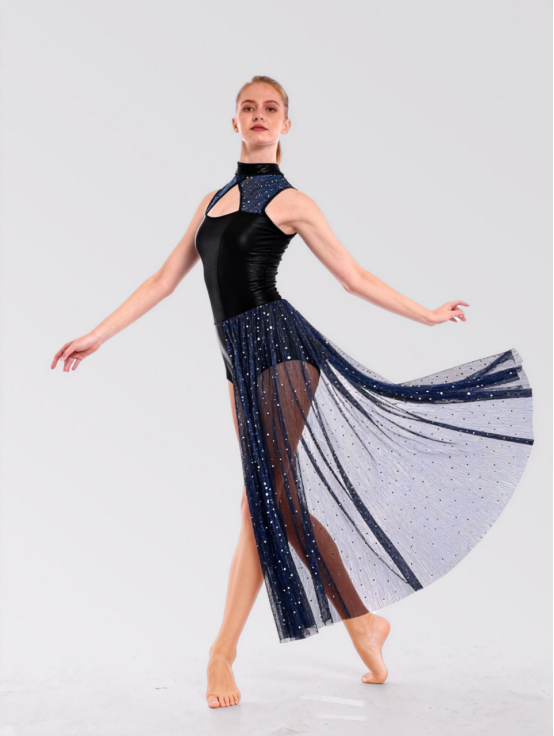
Issues with Standard Leotards for dancer,performer
Standard leotards provide very little functionality for dancer,performer. Dancer,performer need materials that support their movements. Standard leotards sag and bunch and do not offer the support that dancer,performer need. Recent research shows that 80% of competitive gymnasts feel restriction when performing movement sequences with standard leotards (Journal of Sports Science & Medicine, 2023). Restrictions can be found in various aspects of standard leotards:
Custom Fit
Standard sizes create friction and focal compression in certain areas which leads to loss of control and technique. Increases in torso lengths exceeding 0.5 cm can decrease rotational control by 18% for aerial tricks.
Restricted range of movements
Designs that do not take range of movement into account can cause significant performance restrictions. Standard designs can cause elite figure skaters to have 30% less hip flexion, which will severely affect their ability to control landing and take-off during jumps.
Poor Temperature Control
Standard leotards can trap 3.2% more moisture than technical materials. Standard leotards can lead to significant chafing during multi-hour trainings because of the increased retention of moisture.
Sustainability Issues
Standard leotards lose their elasticity 40% faster than performance-engineered textiles after just 20 washes.
Poorly engineered average leotards lead to poor performance, which cause dancer,performer to take unnecessary risks when competing for medals.
Intentionally Designed for Performance: Lecotard Customization and Its Functional Fit and Structure
The Unique Movement Requirements for Each Discipline and How They Inform Leotard Customization
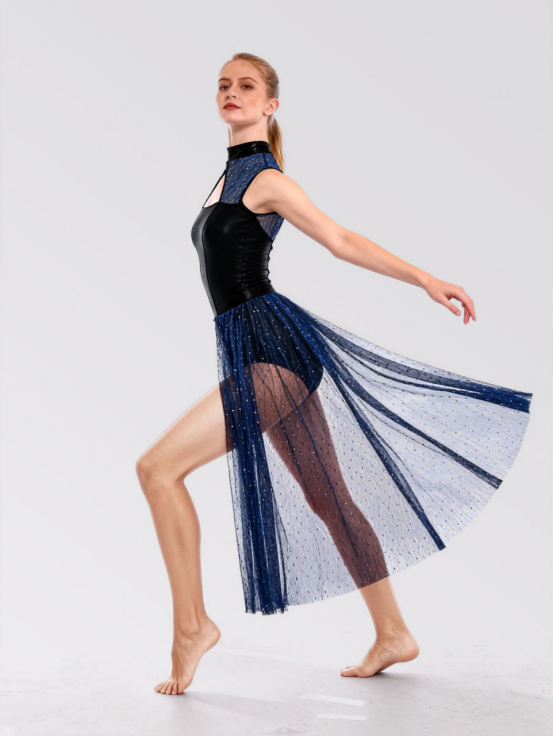
The need for speed and for quickly getting back into position after an extension is very important for gymnastic routines. With most elite gymnasts (about 80% of gymnasts) wearing full back spandex to protect their spines during landings of major jumps. Suits in figure skating are different. They are designed to withstand and cut through the resistance of the air. Special mesh sections can reduce drag by 20% during a spin and keep the skater at a comfortable temperature. To perform at their best, dancers need to be able to move in any direction and to be great, they need to be able to push their shoulders down even further. With this in mind, leotards for dancers have a flexible and comfortable fabric under their armpits to accommodate their full range of upper body and to keep them dry. Performance leotards have a different focus and design based on the unique physical requirements of the sport.
Strategic Placement of Seams and Mesh for Optimal Movement and Flexibility
Flatlock seams eliminate the frustration of rubbing seams at the hip and shoulder seams. Smooth, friction-free movement is possible with bonded seams at split areas. Laser-cut, bonded mesh inserts at the back and side sweat regions enhance air circulation and comfort. Support, but no loss of breathability, was shown in tests to increase by 40%. From 2023 Kinetics research, diagonal seams at the torso give dancers 22% more freedom of movement. Designers focus on areas of the body that require the most muscle use and free extension, along with joint areas that need firm support. It is these details and much more that distinguishes leotards to be products that really work with the body.
The Science of Fabric Used in Performance Leotards
Tradeoffs in Flexibility, Durability, and Moisture-Wicking in Nylon-Spandex Combos and Polyester Blends
Choosing the right performance leotard means considering the right fabrics that will work best for serious dancer, performer. Most competitive gymnasts wear the leotards made of nylon-spandex blends, especially blends with 80% nylon and 20% spandex, because these fabrics come back to their original shape, which is important to ensure that they do not feel tight or restricted while performing their many twists and turns. For polyester blends, fabrics are able to keep them cool during their routines because they are able to pull sweat away from their skin about 30% faster than regular cotton due to the microfibers present in the polyester that pull moisture away. There are always tradeoffs in durability with these fabrics, however, and while the nylon-spandex blends will withstand rough surfaces such as the parallel bars, they will break down with too much exposure to sunlight. Even though polyester retains its color very well, even after multiple wash cycles, it tends to lose its stretch over time which, among other things, can make it not as desirable to wear during certain types of workouts.
Nylon-Spandex Blend Polyester BlendKnits
Flexibility Exception recovery Moderate stretch retention
Durability High abrasion resistance Superior pill resistance
Moisture Wicking Moderate absorption Rapid evaporation
In other cases, dancer,performer performing high-sweat activities such as endurance dance benefit from the sweat-wicking property of polyester, while dancer,performer in explosive sports require the unrestricted movement provided by nylon-spandex. Therefore, the final choice of fabric is made taking into account whether flexible dynamic movement or temperature management is prioritized in the performance leotard.
The Future of Custom Leotard Production: 3-D Scanning and Data-Driven Patterning
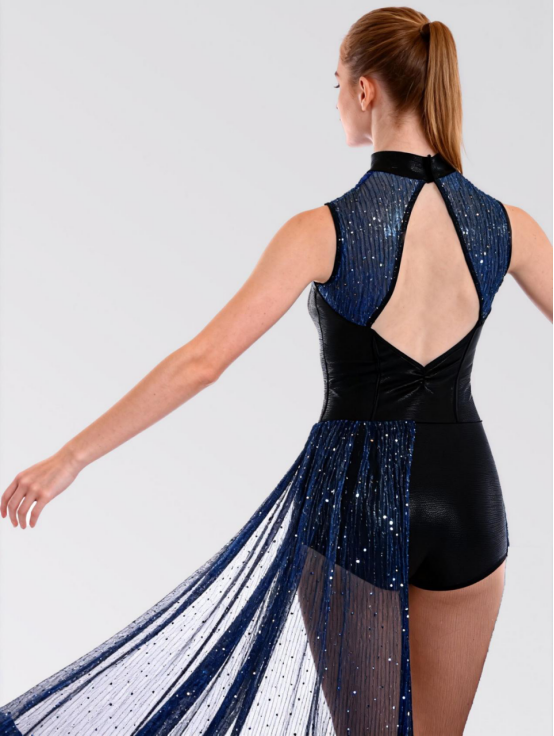
The technology being developed for custom leotard production along with 3-D body scanning and computer-generated patterns is transforming the business of custom leotard production. With the use of digital measuring technology, dancer,performer' body movements can be fully captured and closed tailored for the movements of the individual athlete. Designers are given the opportunity to customize the fit of the leotard to the demands of the sport by making backspacer adjustments for the gymnast who performs backbends or by providing backspacer flexibility for the dancer. Advanced manufacturing techniques such as material extrusion, as well as selective laser sintering (SLS), provide support to the leotard by providing support to the leotard. By transitioning from mass production to the production of individual leotards, companies can reduce material waste and save money and time. Many manufacturers are using a combination of recycled synthetic and bio-based blended fabrics in the leotard. This improves not only the environmentally conscious fit of athletic wear for non-professionals but also the environmentally conscious fit of athletic wear.
FAQ
What limitations do standard leotards have for dancers and performers?
They often fit poorly, restrict movement, and lack effective moisture-wicking, which affects performance and safety.
What are the advantages of custom leotards and advanced fabric blends?
Custom leotards use tailored seams, mesh and special fabrics for better movement; nylonspandex is flexible and durable, while polyester offers excellent moisture-wicking.