
 EN
EN


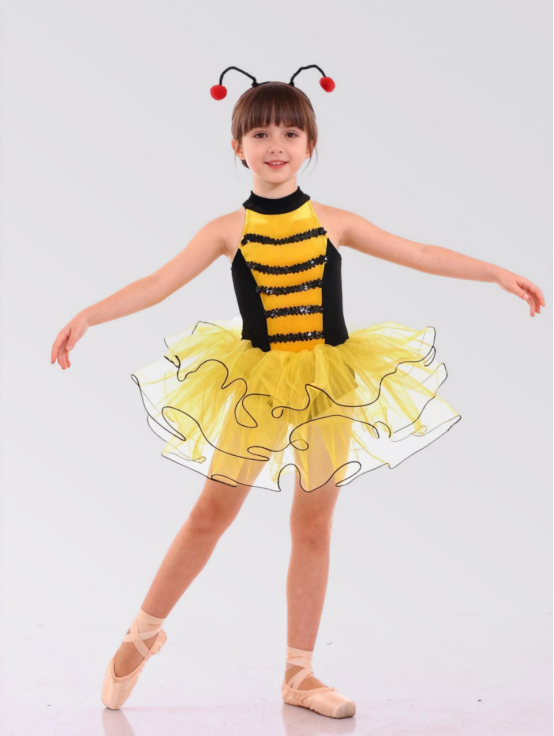
First Class Quality and High Value Factory-Direct Ballet Wear
The value of ballet wear can be maintained while eliminating unnecessary middle distributors and their markups.
When businesses obtain ballet wear directly from the manufacturers of the ballet wear, they save a lot of money. The distributors and retailers increase the price by about 30-50%. Therefore, by removing these middle distributors, businesses are able to purchase high quality ballerina leotards, tights, and skirts for prices similar to the manufacturing costs. Research indicates that there is an average cost reduction of 40% from using this method, and there is no reduction in quality. These costs allow businesses to purchase higher quality fabrics, such as moisture-wicking blends (85% Nylon and 15% Spandex) instead of using cheaper alternatives that degrade faster. Additionally, even though prices decrease, the factories are ISO certified and are required to keep quality control throughout the entire manufacturing process. Therefore, consumers are not losing quality by purchasing lower priced items.
Vertical Control: Fabric Sourcing, Pattern Precision, and Stitching Standards in Certified Ballet Wear Factories
End-to-end ballet wear construction supervision is offered by factory-direct partnerships. Leading manufacturers exercise vertical control from the first raw material to the last stitch:
Fabric Sourcing: Mills are peer-reviewed for reliable and punctual deliveries of the industry standard 85% nylon/15% spandex blend
Pattern Engineering: Digital prototypes are created to ensure anatomical accuracy within a variance tolerance of ±2mm
Stitching Compliance: Other four-needle coverstitch seams and bar-tacked stress points are sewn to the EN 16732 dancewear durability standards
This strategy in the integrated approach eliminates the quality voids that are typical of fragmented multi-vendor supply chains. 2023 performance testing, for example, revealed that factory-direct units retained 98% elasticity after 50 washes, compared to 89% for distributed alternatives. This demonstrates, more than any other reason, why vertical control is the only reason why a longer product life is offered.
Essential Fabric & Construction Standards for Professional Ballet Wear
Intense rehearsals, performances, and the need to support dancers’ artistry, demand the highest and most rigorous standards of fabric and construction from professional ballet wear.
“85% Nylon 15% Spandex”: Industry Insights
The 85% Nylon 15% Spandex formula is arguably the accepted industry gold standard. Nylon is strong and does not tear, while Spandex adds stretch. This particular blend does not sag and has a high level of recovery. It capsules and dresses the performer and in not fighting against them, the fabric moves with the atheltes and embraces the high level of movements in each direction. This unencumbered movement is ideal for pliés, grand jetés and everything in between.
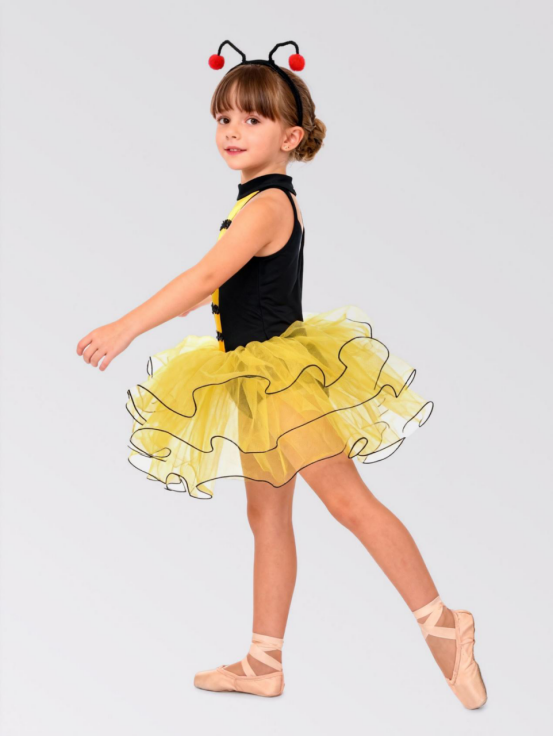
Durability’s Crucial Metrics: Resistance Testing of the Martindale Standard, Pilling via the ISO 12945 at 5+ and Retention Testing of 50+ Wash
Longevity defines commercial-grade ballet wear—not just initial comfort. Key performance benchmarks include:
Longevity in commercial-grade ballet wear is not about comfort, but about the new and demonstrated expectations of performance.
The 40+ Martindale cycles represents 2+ years of actual stage performance and is the minimum standard for Abrasion Resistance.
The achievement of all 3 standards results in the assurance of consistent and reliable performance for each wear, in multiple seasons, and achieves a reduction of annual replacement costs of 30%.
How B2B Buyers Can Verify Authentic Factory-Direct Ballet Wear Suppliers
Trust Signals: ISO 9001 Certification, On-Site Audit Access, and Sample Fabric Swatch Programs
It is worth your time to engage with suppliers who have ISO 9001 certifications because they likely have global standards quality controls certifications and are likely to have strong quality and customer service controls. Good manufacturing facilities support buyer visits to verify the quality of the manufacturing processes and the cleanliness of the manufacturing facility during the actual production run. Many top tier manufacturers go further by providing actual fabric samples along with detailed specs sheets that list exactly what materials were used (like that common blend of 85% nylon mixed with 15% spandex) plus important wear resistance numbers such as Martindale test results showing durability beyond 40,000 rub cycles. Some also use ISO 12945 standards on pilling to support their marketing claims about product performance.
Red Flag: Avoid Stock Resellers, Generic Listings of 'Ballet Wear' Without Specifics
The stock resellers in question simply offer ballet wear without providing useful details such as material descriptions, abrasion resistance, or laundering performance. These sellers are usually middlemen and not real manufacturers. An actual company describes the performance limitations of the product with statements such as 'The product maintains its elasticity after 50 washes' or 'The product is in compliance with the durability thresholds of the garment's high-stress areas'. Sellers with limited offerings also tend to be resellers, and manufacturers will not give you direct access to the manufacturing facility. They will also have limited access to test results, offer little to no flexibility with sizing and lead times and will ask you to modify or limit your requests. Genuine manufacturers have the ability to control, manage and oversee all stages of the production of their goods. Resellers typically have a limited range of offerings and are not very transparent vis-a-vis their supply chain.
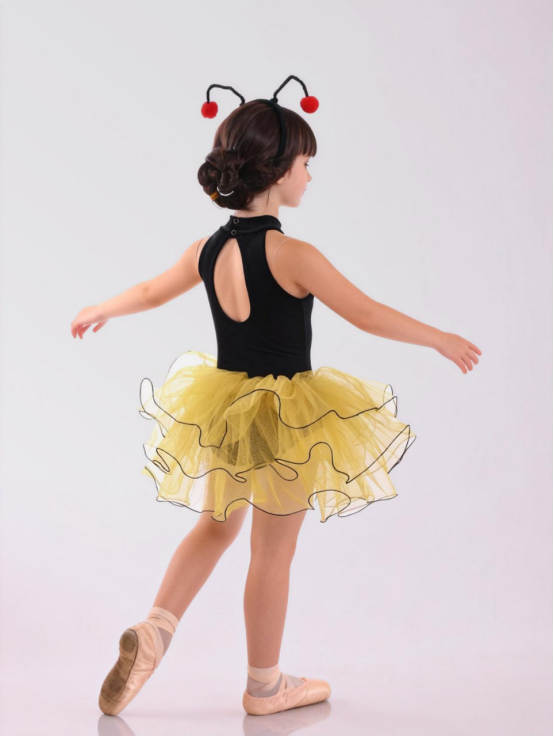
Top 3 Approved Direct Source Factories for Bulk Orders of Ballet Wear 2024
Out of the several direct-source business models for the sale of ballet wear to B2B buyers, 3 stand out in consistently providing superior quality and value:
Dancewear Manufacturers Specializing In Construction Of Performance Fabrics: These manufacturers offer highly specialized control in the blending of nylon and spandex as well as the control of stitch density. In terms of unit costs, these manufacturers typically offer a 15 to 20 percent savings as compared to the other distributors or supply chain providers. However, these manufacturers will set an MOQ of 500 to 1000 units. Fully integrated manufacturers who are vertically integrated up to the finished garment assembly level offer significant savings and optimization as they eliminate any form of a supplier margin. They also offer control in the material processing and garment assembly from the first level of polymer processing all the way to the last level of finished garment assembly. Additionally, these manufacturers have Oeko-Tex Standard 100 compliance, which designates that their finished products are free of any toxic materials that may be in contact with the skin.
Production hubs with ISO 9001 certification located in manufacturing clusters: Provide scalability and flexibility for split shipments for urgent orders and transparency with swatch programs and 3rd party abrasion test reports.
With every contract, check the certification of the facilities and request the most recent Martindale or ISO 12945 tests.
FAQ
What are the benefits of buying ballet wear directly from manufacturers, and why is 85% nylon / 15% spandex important?
Buying direct saves money with no distributor markup and ensures higher quality from better materials and stricter production standards. The fabric blend offers maximum elasticity, full movement, and maintains shape without sagging.
How can B2B buyers recognize reliable ballet wear suppliers and what should they watch out for?
Legitimate suppliers hold ISO 9001 certification, accept audits, and provide fabric swatches. Buyers should avoid generic, non-transparent listings without test results, which often indicate resellers rather than real manufacturers.