
 EN
EN

The Benefits of Tailored Dance Apparel
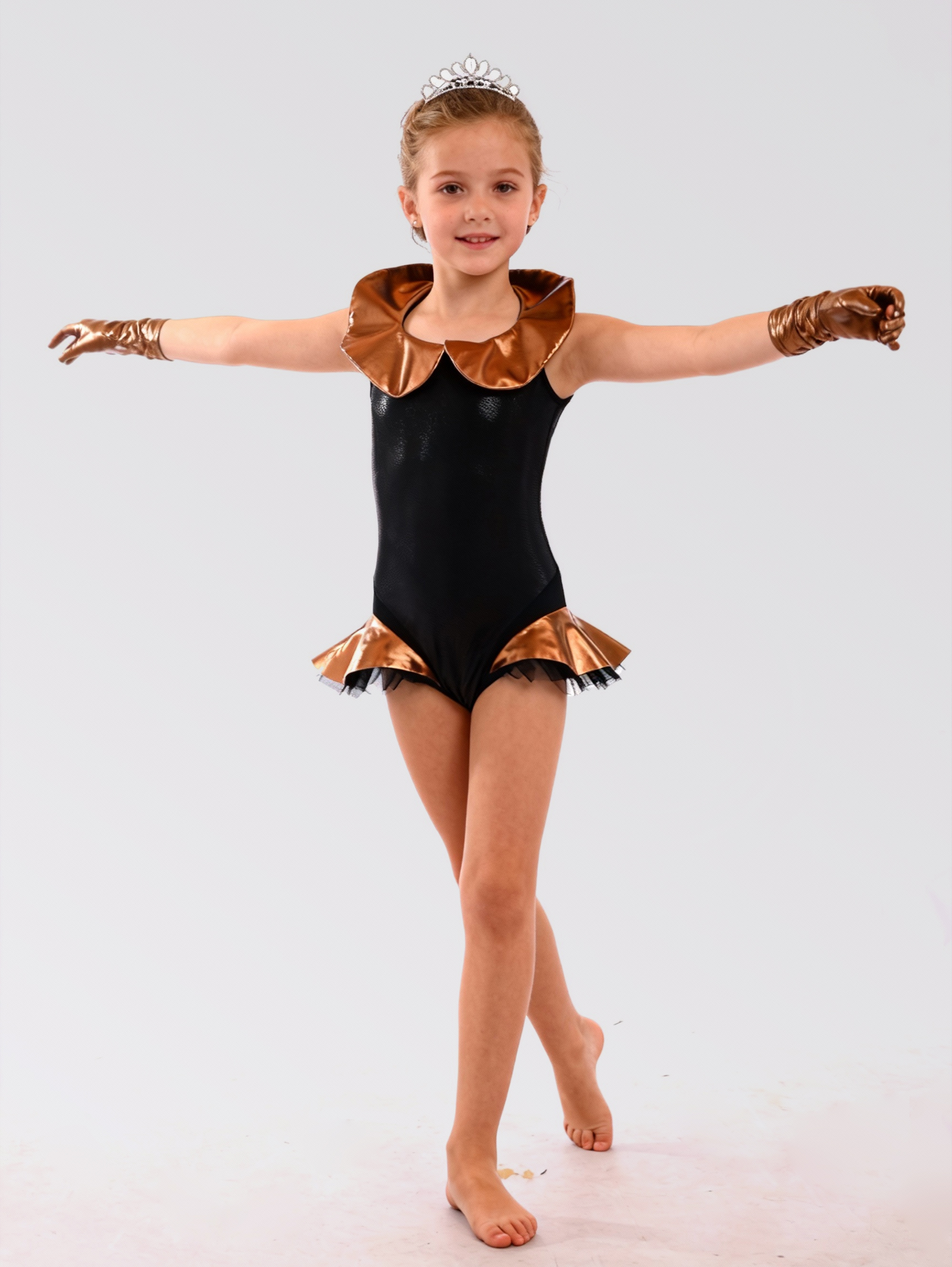
Tailored dance apparel immediately gives teams a visual sense of unity by creating a cohesive team identity. This sense of unity increases stage presence. Once a team has an identity, it becomes psychologically beneficial for everyone involved. Belonging to a team increases confidence by 27% for a choreographed dance. Comfortable uniforms with logos and integrated ties provide teams with a competitive edge and make it easy for judges to pick teams. Dance teams have shown great retention by giving unified and distinct pride to athletes. Custom dance apparel is a bonding experience as choreographed teams pick and choose designs as a team. This great visual branding is great for competitive dance teams and gives them the functionality they need to have an artistic and competitive differentiated impact.
Dance Wear Customization: Methods, Materials, and Limitations
Embroidery, Sublimation, and Heat Transfer: Effectiveness Determined by Technique, Fabric, and Function
Customization for dance wear typically involves three techniques: embroidery, sublimation, and heat transfer. For embroidery, a needle and thread pierce a fabric material like a stiffer cotton blend. This is a durable, three-dimensional design, but for high-stretch materials, stiffness becomes a problem. Sublimation uses heat to activate a dye. That dye then penetrates synthetic materials for a seamless graphics design. Sublimation dye and synthetic materials are a perfect pairing for high-performance fabrics like a polyester and spandex blend. Heat transfer is a little different. It's uses pre-printed vinyl and a heated press to transfer a design onto fabric. This method doesn't work well for high-flex areas because there's a risk for cracking. Most fabrics are suitable for a heat transfer design, but the flexing materials really limits this method. This method and sublimation also have a lot of overlap with the type of fabric they're suitable for. Overall, these techniques really need to match the material and function of the design.
Method Best For Fabrics Durability Stretch Compatibility Design Complexity
Embroidery Cotton, twill, blends High Low Simple shapes
Sublimation Polyester, performance Very High Excellent Full-color prints
Heat Transfer Most fabrics Medium Moderate High detail
Material Science Matters: Why Stretch, Breathability, and Wash Durability Constrain Logo Placement
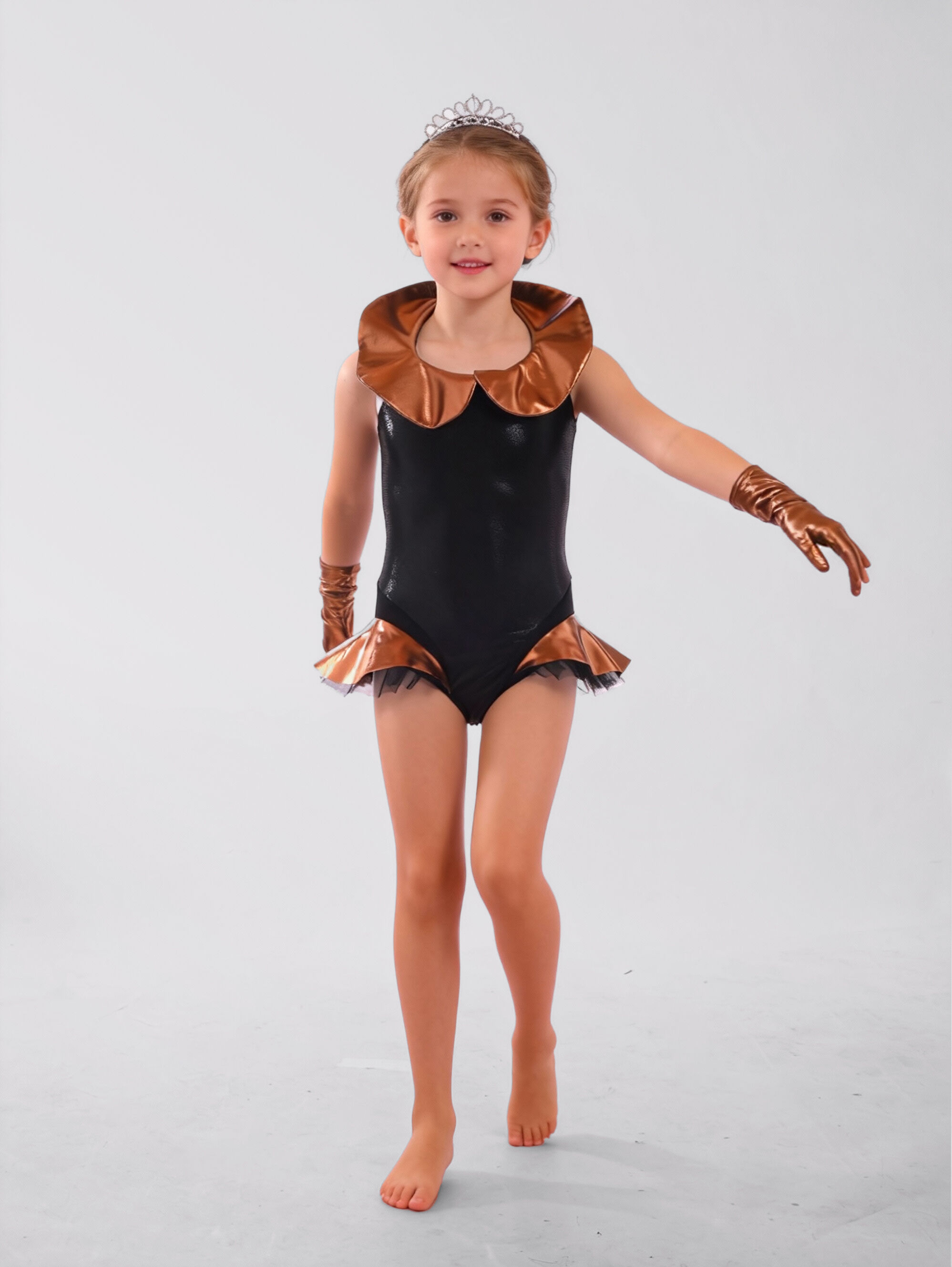
Fabric performance determines logo placement; it's not just about it's aesthetics, but also about the integrity of each movement. Stretch-sensitive materials like spandex require minimal coverage around seams and joints; heavy embroidery on the shoulder blades or hip flexors will limit movement, and heat transfers on high-flex zones will peel after 30+ washes. Sublimation maintains the fabric's stretch, but this method is only suitable for polyester; even then, the fabric's ventilation is compromised if the logo covers the underarm or side panel, as these areas are prone to moisture, compromising comfort and hygiene. Wash durability testing confirms sublimation outlasts heat transfers by 2× when it comes to abrasion resistance. For the fabric to maintain its performance the logo must be placed on stable, low movement areas, like the upper back or chest, and avoid areas like knee joints, waistband and elbows.
Designing Performance-Ready Logos for Dance Wear
Vector Precision, Seam-Aware Placement, and Elasticity Preservation
Dance wear logo design must consider movement and therefore balance meticulous placement and design. Vector graphics scale without distortion, which is crucial for high stretch fabrics. Placement must be thought out to avoid seams, and high-stress areas like hip joints, shoulders and knee bends; these are also areas that will be subject to a lot of movement and therefore will accelerate logo peeling and cause discomfort. A 2023 Textile Performance Report found logos placed over seams failed 68% faster under repeated stretching.
What a material can do determines what we can do: Polyester stretches with sublimation but restricts color variety, and for embroidery, structure comes at the cost of breathability—coverage above 15% is problematic. Completely covering a logo should be avoided because of tensions. Logos should also never be on more than one fabric section as the stitching becomes a point of restraint for lateral movement. There are also heat-transfer adhesives to consider which have to be as stretchy as the fabric, and can’t be made of a rigid vinyl because they will crack on spandex in pliés.
The answer is to make logos smaller than 8 squares, use threads thinner than 0.3mm, and to restrict the use of multi-panel applications to the upper back and side of the thighs. This will help preserve the garment’s long-term moisture control, stretch, and durability, especially during movement and washing.
FAQ.
Why is custom dance wear important for teams?
Custom dance wear creates a strong sense of team identity and belonging and is great for team identification and presence when they are on stage.
What are the main methods for customizing dance wear?
The main methods are embroidery, sublimation, and heat transfer. Each of them has its own pros and cons which have to do with the fabric and the type of movement involved in the choreography.
How should logos be placed on dance wear?
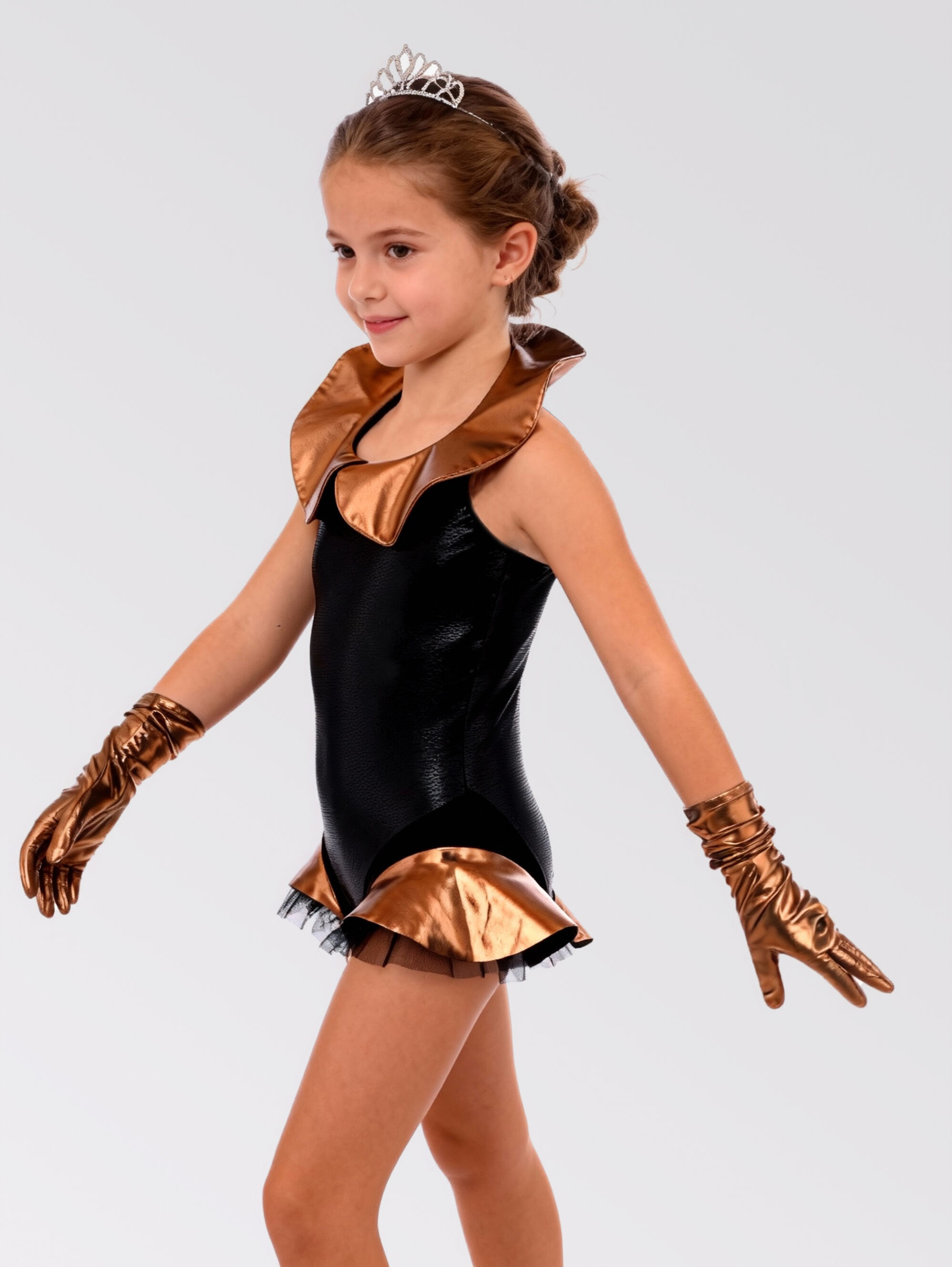
Logos are best placed on dance wear where the fabric will be low movement. This ensures they can perform freely without problem and also saves the fabric’s elasticity, breathability and increases durability for washing.