
 EN
EN


Navigating the Complexities of Group Performance Apparel Procurement
Structural Vulnerabilities of Off-the-Shelf Garments in High-Impact Jazz Choreography
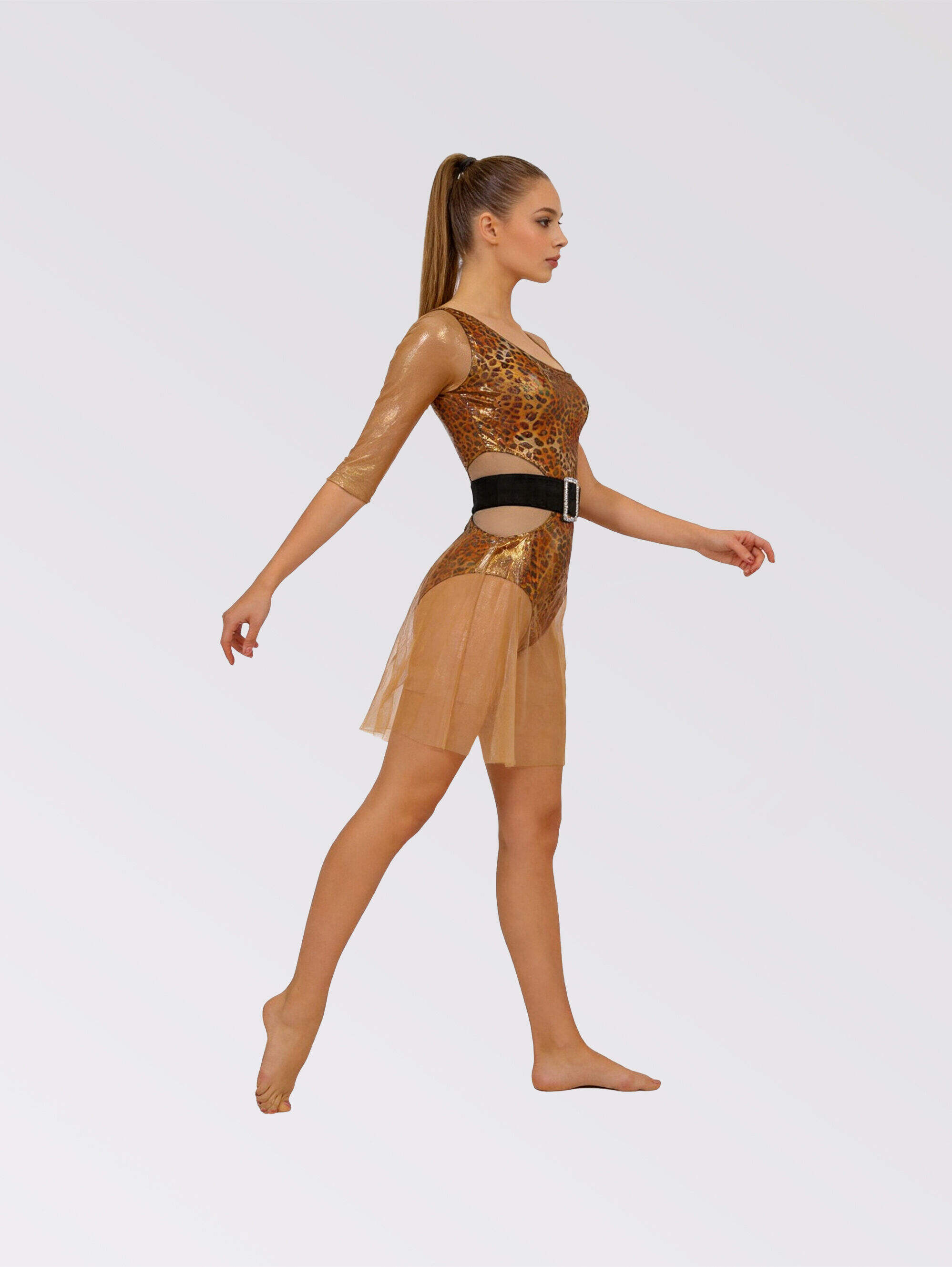
Managing wardrobe requirements for professional dance companies or competitive studios requires a careful balancing act between visual unity, cost control, and physical safety. When directors rely on mass-produced, off-the-shelf garments for dynamic jazz routines, they often face immediate structural failures on stage. High-impact choreography demands specific textile flexibility that standard retail options cannot support, leading to seams split during sudden drops, jumps, or fast partner work. Choosing a custom-tailored apparel path addresses these physical constraints by optimizing structural elasticity, fabric breathability, and reinforced stitch patterns for group routines. Relying on fixed-size garments instead of customized textile engineering causes frequent wardrobe malfunctions, forcing constant mid-competition repairs, elevated stress for performers, and visual inconsistency that lowers final performance scores.
Analyzing Movement Restrictions and Material Integrity Risks
A major operational hurdle when procuring group stage wear involves evaluating performance textiles based solely on aesthetics rather than checking technical density and stitch failure parameters. Lower-tier machinery and standard commercial apparel lines utilize low-gauge nylon or single-stitch seams, presenting severe tearing risks during intense jazz choreography maneuvers. Microscopic variations in fabric tension or unaligned panel cuts can restrict blood flow and respiratory freedom during intense athletic movements. For international performance companies running synchronized routines, a single instance of a torn sleeve or restrictive waistband can disrupt choreography, create safety hazards under stage lighting, and hurt studio credibility. Implementing advanced stretch-panel engineering and quadruple-thread overlock stitching removes fabric binding and ensures stage execution remains perfectly predictable.
Professional Dance Ensemble Tour Optimization: A Real-World Costume Case Study
Practical experience within continuous touring networks demonstrates the operational value of shifting away from retail garments toward specialized technical production frameworks. A prominent mid-sized youth dance ensemble supplying performance venues across Europe audited its wardrobe department after experiencing high repair costs and poor fitting alignment on its seasonal jazz production lines. The group used standard catalog garments where dancers of varying body archetypes experienced restrictive shoulder movement, causing a nine percent costume tearing rate and mismatched movement ranges during synchronized high-kick sequences. The management team resolved this production bottleneck by introducing specialized bespoke manufacturing runs that utilized flexible four-way stretch spandex blends and individualized biometric pattern adjustments. Within ninety days of full deployment, the touring company reduced garment tear rates to zero while cutting down pre-show wardrobe adjustment times by forty-five percent. The technical apparel upgrade preserved uniform visual symmetry and helped the studio win regional titles.
Engineering Principles and Material Science of High-Velocity Dance Apparel
The Physics of Four-Way Spandex Blends and Biometric Pattern Scaling
Achieving flawless group visual unity and athletic freedom requires a precise understanding of textile physics, tensile strength, and ergonomic pattern scaling. Professional stage apparel designed for fluid jazz routines relies on advanced multi-axis elastane and nylon polymers woven into dense interlock structures that stretch uniformly in all directions without permanent deformation. The mechanical fabrication process guides flat fabric rolls across low-friction cutting tables, using digital pattern systems to scale adjustments across all size groups based on strict ergonomic indices. This engineering setup stops material bunching and fabric slippage, ensuring that a performance costume maintains identical compression profiles whether worn by a petite or tall dancer. Maintaining a balanced stretch ratio between vertical and horizontal panels stops garment ride-up, keeping lines clean during active floor work.
Thermodynamic Principles of Moisture Transport and Stage Lighting Heat Dissipation
To prevent muscle fatigue and thermal discomfort under intense stage lighting rigs, athletic performance apparel must leverage specialized thermodynamic fabric engineering. High-output garments tailored for demanding jazz sets incorporate open-cell mesh structures or microfiber wicking yarns treated with continuous capillary moisture management technology. When a performer generates heavy perspiration, the technical fibers pull sweat away from the skin surface, spreading moisture across an expanded exterior surface area to achieve rapid evaporation. Advanced construction techniques place hidden mesh ventilation zones under arms and along the spine, maximizing airflow without compromising the garment's visual look on stage, which prevents heat exhaustion during demanding back-to-back routines.
Regulatory Alignment and International Textile Material Benchmarks
Procuring high-quality performance hardware for youth or professional dance spaces demands full alignment with international material safety frameworks, chemical toxicity rules, and textile durability standards. Modern production systems manufacturing specialized jazz apparel lines must utilize non-toxic, hypoallergenic bonding agents alongside colorfast dyes to prevent skin irritation under high heat. Testing organizations like OEKO-TEX textile safety metrics, ISO 9001 quality management structures, and global fabric testing systems establish clear rules for skin-contact safety and dye fastness under friction. Processing systems handling performance velvet or sequin materials must maintain full compliance with these international engineering benchmarks to pass strict third-party studio audits.
Strategic Custom Sourcing and Long-Term Technical Wardrobe Preservation
Critical Selection Metrics for Institutional Apparel Procurement Specialists
Selecting a dependable group apparel manufacturing partner requires evaluating pattern modification capabilities, manufacturing tolerances, and bulk fabric dye consistency rather than looking at low-grade retail outlets. Sourcing specialists building a cohesive jazz collection must verify that a production house utilizes advanced laser cutting machinery to ensure that intricate sequin trims or mesh inserts remain perfectly identical across all size categories. Choosing suppliers with digital measurement tracking portals allows studio managers to update group measurements instantly, reducing sizing errors before fabric cutting begins. Sourcing teams should also analyze the tensile strength of zipper systems and closures, prioritizing heavy-duty, locking semi-automatic zippers over fragile commercial variants to withstand fast-paced backstage wardrobe changes.
Cleaning Protocols and Preventative Structural Maintenance Routines
The ongoing precision and structural longevity of custom performance assets depend on structured preventative maintenance schedules and correct cleaning validation routines. Over months of multi-show tours, high-intensity jazz routine friction and cosmetic buildup accumulate within fiber matrices, which can degrade elastic memory if left untreated. Studio managers should implement standardized cold-water washing protocols using pH-neutral, chlorine-free cleaning agents to protect foil prints and sequin embellishments. Standardizing on weekly structural checkups—such as verifying seam tension lines and testing closure hook stability—stops unexpected backstage damage, extends the operational lifecycle of the inventory, and ensures every ensemble member takes the stage in pristine condition.
Choosing a Reliable Storage Solution Partner
Building a highly resilient and visually stunning stage performance line requires a dependable manufacturing partner capable of delivering consistent material quality and steady global supply chain support. Sourcing commercial performance wear from producers with deep design expertise and advanced fabrication facilities ensures that every deployed asset performs reliably under heavy shift use and strict sanitation routines. This is where aligning with an established global manufacturer like Anna. shi provides exceptional long-term value. With sophisticated production infrastructure and a strong focus on precise quality management, Anna. shi consistently provides premium jazz apparel solutions designed to meet rigid international textile safety and performance sanitation standards. Partnering with a globally integrated manufacturer gives dance enterprises reliable access to a robust equipment catalog, deep customization expertise, and consistent construction quality that keeps factory expansions moving smoothly year after year.
Frequently Asked Questions
Can a jazz dance costume line be fully customized to fit diverse body types within a single troupe?
Yes, professional custom manufacturing utilizes advanced biometric pattern scaling software to adjust garment proportions for individual dancers. This technical process ensures that every ensemble member experiences the same range of movement and compression support while maintaining absolute visual consistency across the entire group.
How do four-way stretch fabrics improve performance safety compared to standard retail garments?
Advanced four-way stretch materials expand and recover uniformly along both horizontal and vertical axes, eliminating fabric binding behind knees and shoulders. This specific flexibility reduces physical friction against the skin, prevents sudden seam splits during complex choreography, and supports uninhibited athletic extension.
What steps ensure that sequin embellishments and foil prints do not irritate a performer skin?
High-grade performance manufacturing integrates soft, hypoallergenic internal linings and smooth overlock fabric shields behind heavily embellished panels. These protective layers prevent direct contact between coarse decorative materials and the skin, reducing irritation risks during active movement.
Why is moisture-wicking technology vital for competitive group performance stage wear?
Moisture-wicking textiles pull perspiration away from the body toward the outer fabric layer for rapid evaporation. This process manages thermal dynamics under hot stage lighting, keeping dancers cool, preventing muscle cramping, and stopping fabric water weight from dragging down movement precision.
How do procurement teams verify the fabric durability of bulk apparel orders?
Sourcing specialists should prioritize manufacturing houses that comply with ISO quality standards and OEKO-TEX safety guidelines. These frameworks guarantee that fabrics undergo rigorous testing for tensile strength, pilling resistance, and dye fastness, ensuring long service lifecycles.
What closure systems work best for rapid backstage wardrobe changes?
Custom group costumes integrate heavy-duty, semi-automatic locking zippers and reinforced hook-and-eye arrays along structural seams. These professional closure systems stop accidental openings on stage while allowing wardrobe crews to execute fast adjustments between performance sets.
How should custom embellished performance apparel be cleaned to avoid fabric degradation?
Custom garments should be washed inside out in cold water using gentle, non-chlorine detergents within mesh laundry bags. Air drying away from direct sunlight preserves fabric elasticity, prevents foil print peeling, and keeps sequin stitching secure over multiple show seasons.
Can a custom apparel manufacturer replicate a specific studio brand design across multiple sizes?
Yes, custom houses utilize computerized dye-sublimation printing and digital pattern matching to replicate logos, gradients, and specific colorways identically. This engineering approach ensures that miniature and adult size garments maintain identical color accuracy and layout placement across the troupe.
Table of Contents
- Navigating the Complexities of Group Performance Apparel Procurement
- Engineering Principles and Material Science of High-Velocity Dance Apparel
- Strategic Custom Sourcing and Long-Term Technical Wardrobe Preservation
- Choosing a Reliable Storage Solution Partner
-
Frequently Asked Questions
- Can a jazz dance costume line be fully customized to fit diverse body types within a single troupe?
- How do four-way stretch fabrics improve performance safety compared to standard retail garments?
- What steps ensure that sequin embellishments and foil prints do not irritate a performer skin?
- Why is moisture-wicking technology vital for competitive group performance stage wear?
- How do procurement teams verify the fabric durability of bulk apparel orders?
- What closure systems work best for rapid backstage wardrobe changes?
- How should custom embellished performance apparel be cleaned to avoid fabric degradation?
- Can a custom apparel manufacturer replicate a specific studio brand design across multiple sizes?