
 EN


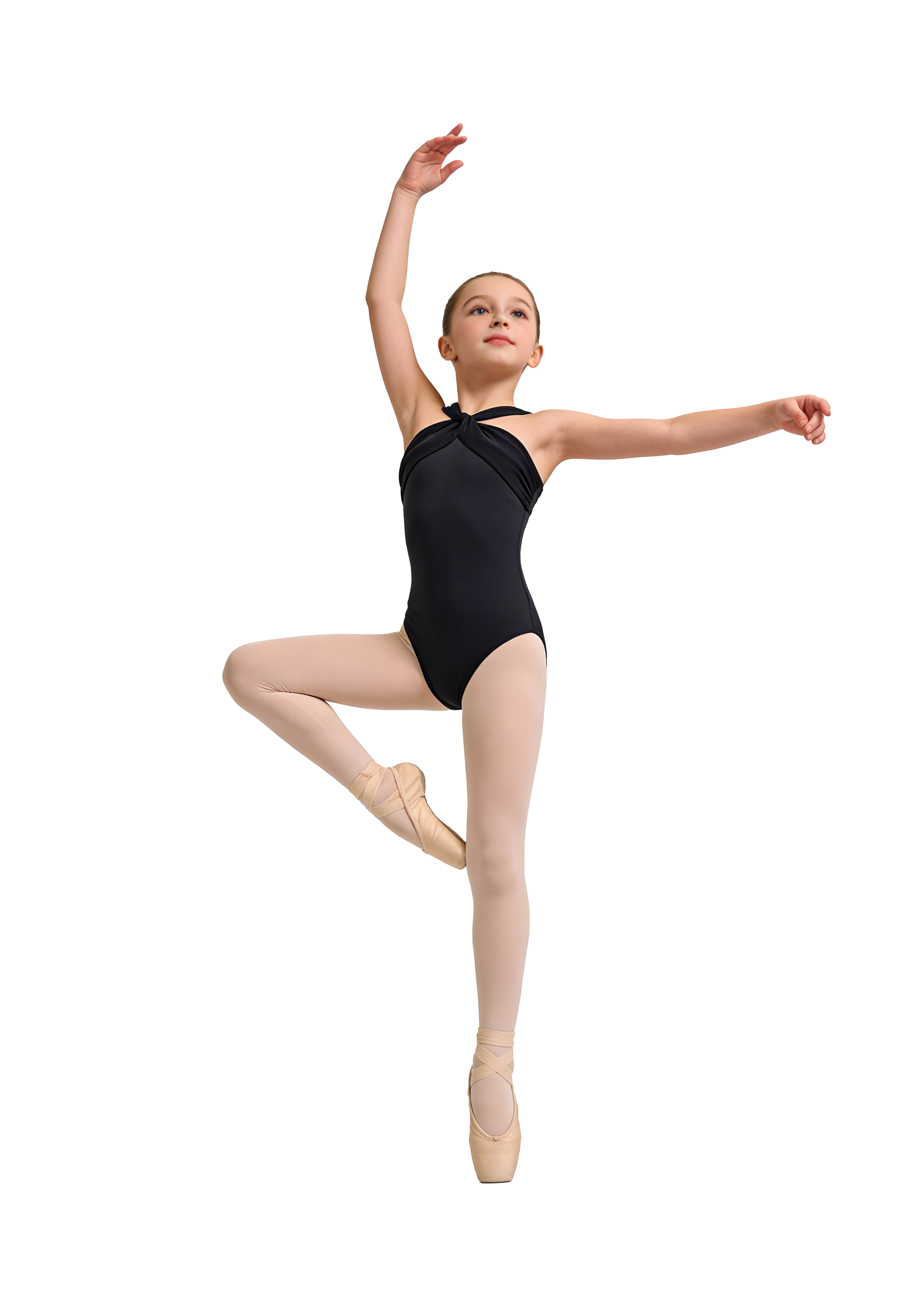
Why Standard Kids Leotard Sizing Struggles With Growth
Most size charts for children’s dancewear treat a leotard like a scaled-down adult garment—a flawed assumption that ignores how kids actually grow. Pediatric growth is uneven: torso length, chest circumference, and hip width increase at different rates and often in unpredictable spurts. U.S. CDC data show children ages 6–10 gain roughly 2–3 inches in height annually, but torso lengthening can outpace or lag behind changes in chest or hip measurements—making static sizing unreliable (CDC, 2026). Standard kids leotard charts typically rely on age or overall height rather than torso-to-height ratio, so a leotard that fits comfortably in September may ride up at the legs, gap at the shoulders, or dig into the waist by spring.
Three common failure points emerge when growth isn’t built into the design:
- Fixed shoulder straps, which offer no give for a lengthening torso;
- Narrow, non-stretch leg openings, unable to accommodate shifting hip and thigh proportions;
- One-piece construction with no waist adjustment, leaving no room for natural expansion.
These limitations force frequent replacements—even when fabric and stitching remain intact. Without adaptability, standard sizing becomes a guessing game. Children caught between sizes often end up in leotards too short in the torso or too loose in the chest, leading to discomfort, poor performance alignment, and higher return rates that frustrate both parents and dance educators.
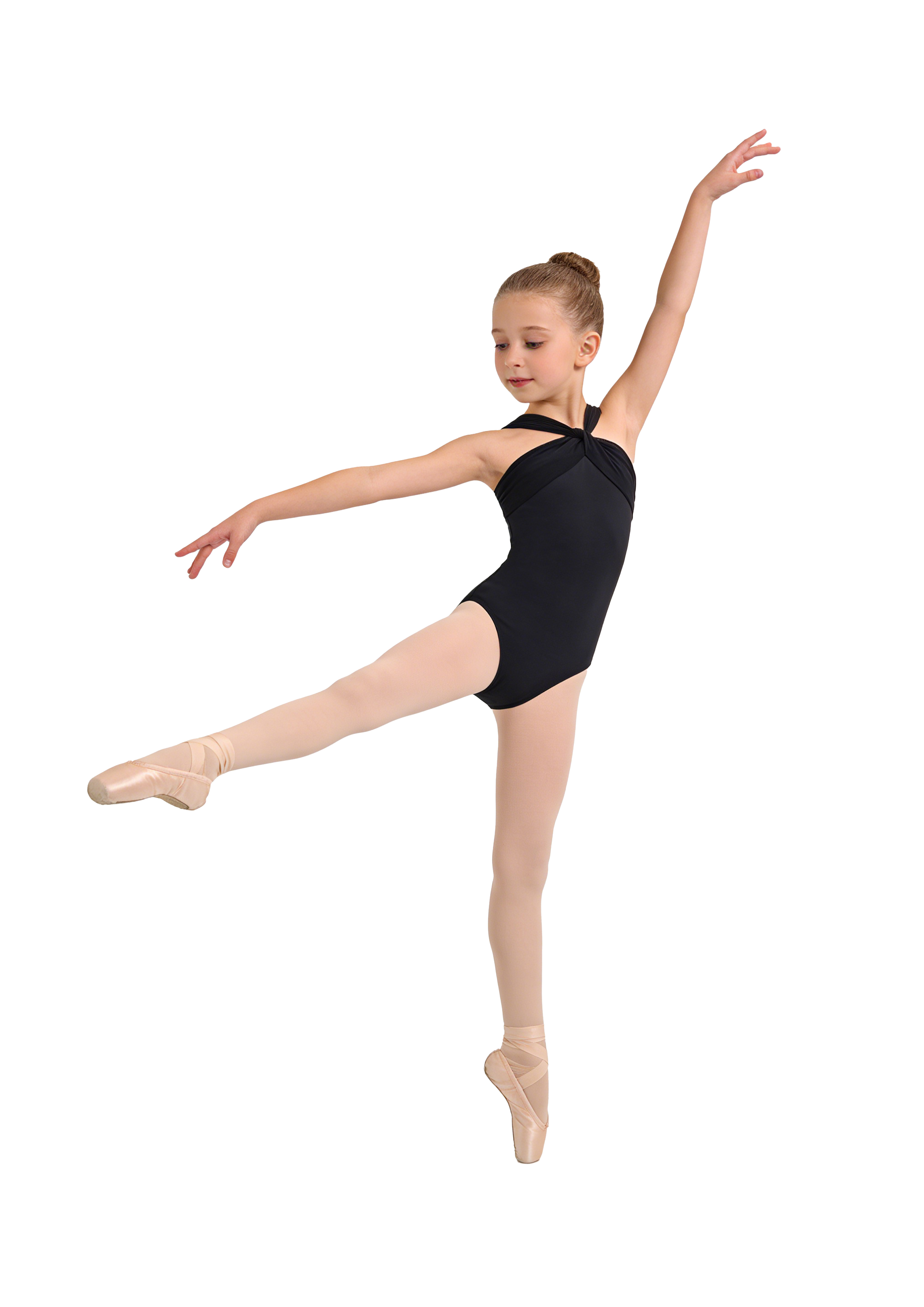
Adjustable Leotard Design: Features That Support Growing Bodies
Elasticized waistbands and stretch-panel integration
Adjustable leotards prioritize functional flexibility over rigid dimensions. Elasticized waistbands and strategically placed stretch panels allow the garment to expand and recover around the waist, ribcage, and hips—key zones where growth varies most. A wide, soft elastic band can add 1–2 inches of usable room, while four-way stretch panels across the back or side seams maintain snug support without sagging or riding up. Because children often grow taller before widening, targeted stretch zones help preserve fit integrity during rapid vertical spurts. They also minimize pressure points, enhancing comfort during extended practice sessions. The result is a single leotard that functions like an adaptive base layer—offering season-long wear without excess bulk or compromise.
Cross-back, tank, and open-back construction for flexibility and fit longevity
Back design significantly influences fit longevity. Cross-back straps distribute tension evenly across the shoulders and upper back, allowing subtle stretch without shifting during movement. Tank styles provide broader shoulder coverage and stability, while open-back leotards use flexible bindings or adjustable strap placements to extend usability. A moderate open back enhances breathability and accommodates spinal mobility during bends and leaps—critical as shoulder width and back length mature at different paces. When paired with secure leg openings, these structural choices extend wear time without sacrificing hold. The key is combining adaptable back elements with consistent compression control, ensuring the leotard stays precisely positioned through every plié, leap, and inversion.
Balancing Adjustability and Performance Integrity in Kids Leotards
Adjustable features extend wear time—but only if they uphold the leotard’s core function: staying securely in place during dynamic movement. Coaches and parents rightly worry about sagging, bunching, or slippage mid-routine. Those risks rise with poorly engineered adjustability—like loose straps, bulky fasteners, or low-recovery elastics. In contrast, high-performance adjustable leotards embed all adjustments seamlessly: flat, smooth against the skin, with reinforced strap anchors and elastic that rebounds fully after repeated stretching. This prevents overextension and maintains secure positioning even during handstands or backbends.
Fabric selection is equally critical. High-recovery nylon-spandex blends deliver true four-way stretch without shape loss—and any added growth allowance must lie flush against the torso. Excess fabric introduces drag, catches on bars or beams, and disrupts clean lines during turns and jumps. Performance integrity also means comfort: no hard seams, exposed zippers, or abrasive edges near underarms or necklines.
Designers achieve balance by placing adjustability where motion demands it least—such as convertible cross-backs or low-profile waist elastics—while preserving streamlined structure elsewhere. A simple fit test confirms success: no chest gaping, no hip riding, no shoulder restriction—and crucially, the child can lift both arms overhead without waistband migration. The ideal adjustable leotard performs like a competition-grade fixed-size garment, yet adapts quietly to growth.
Smart Sizing Strategies: Measurement, Fit Guides, and Modular Options
A flexible fit begins with an intentional sizing strategy. Since children grow at irregular intervals, relying solely on age or seasonal charts leads to premature replacement. Adjustable leotards reduce this burden—but only when paired with accurate baseline measurements and clear fit guidance. Modular options—like removable waist elastics or repositionable straps—let one garment evolve alongside the child’s torso length. Choosing the right starting size prevents shoulder slippage, fabric pooling, and uncomfortable compression, turning a single purchase into a multi-month solution.
How to accurately measure a child for a leotard at home
Measure the child in light undergarments using a flexible cloth tape measure. Keep the tape snug—not tight—and record three essential metrics:
- Torso length: Measure from the top of one shoulder, down the front, through the crotch, and back up to the same shoulder. This loop measurement is more predictive of leotard fit than height alone.
- Chest: Wrap the tape around the fullest part of the chest, holding it level.
- Waist and hips: Measure the natural waist (narrowest point) and widest hip point—especially important for leotards with lower-cut leg openings.
Compare results to the brand’s size chart, not generic standards. If the child falls between sizes, choose the larger option for adjustable designs. For leotards with stretch panels, prioritize a secure chest fit—the panels will accommodate future growth. Re-measure every two to three months or before a new dance or gymnastics season. Early signs of change often appear first in torso length, so tracking that loop helps avoid buying a size that’s already too short.
FAQ
Q: Why do standard leotard size charts fail for kids?
Standard charts often rely on age or overall height, ignoring the uneven way children grow in torso length, chest, and hips, which makes such sizing unreliable.
Q: What features make adjustable leotards better for growing kids?
Features like elasticized waistbands, stretch panels, adjustable straps, and flexible back designs offer room for growth while maintaining a secure and comfortable fit.
Q: How can I measure my child accurately for a leotard?
Use a flexible tape to measure torso length, chest, waist, and hips. Then compare these to the brand’s specific size chart, prioritizing a secure chest fit.
Q: How often should I re-measure my child for a leotard?
It’s recommended to measure your child every two to three months, as children can grow rapidly, especially in torso length.
Q: Are adjustable leotards less secure than standard ones?
No. High-quality adjustable leotards are designed to ensure a snug, stable fit while allowing for growth, without sagging or compromising performance.