
 EN

Why Small MOQ Custom Dance Wear Is Now Feasible
The Shift from Traditional Apparel MOQs to Agile Dance Wear Production
Traditional apparel production relied on economies of scale—typically 500 to 1,000 pieces per design—to offset high setup costs for fabric rolls, dyeing, and labor lines. That model rarely aligned with dance wear needs: studios, competitive teams, and boutique labels require smaller runs, precise size grading, and rapid seasonal updates. Agile manufacturing has redefined feasibility, enabling MOQs as low as 50–300 pieces per style for stretch-based garments. This shift cuts storage costs, eases cash flow pressure, and reduces textile waste—while supporting faster design iteration. Instead of committing to one large order, buyers can refine fit, color, and trim details after a pilot run, then scale only proven styles. It’s especially valuable for regional studio launches, team uniforms, and limited-edition seasonal collections. By lowering the entry barrier, agile production empowers emerging labels to compete credibly—without compromising on quality, consistency, or delivery reliability.
How Digital Patternmaking and On-Demand Cutting Reduce Minimums
Digital patternmaking eliminates a major cost driver for small batches. Rather than cutting physical paper patterns or manual markers, manufacturers build, grade, and adjust dance wear patterns in CAD software—often within hours. This makes custom inseams, modified necklines, and multi-size grading significantly more affordable. Paired with on-demand cutting—using automated or laser systems—the process becomes highly responsive: only the exact fabric needed is cut, eliminating roll minimums and reducing waste. Automated nesting optimizes material yield, further lowering per-unit costs. Because setup is digital, switching between styles incurs no traditional cutting-table penalties or queue delays. When combined with pre-certified fabrics and standardized grading rules, even 30–50-piece orders become operationally viable. The result is lower MOQs, faster sampling, fewer errors—and greater accessibility for schools, studios, and independent designers.
Key Factors That Determine MOQ for Custom Dance Wear
Garment Complexity: Seams, Linings, and Stretch Fabric Handling
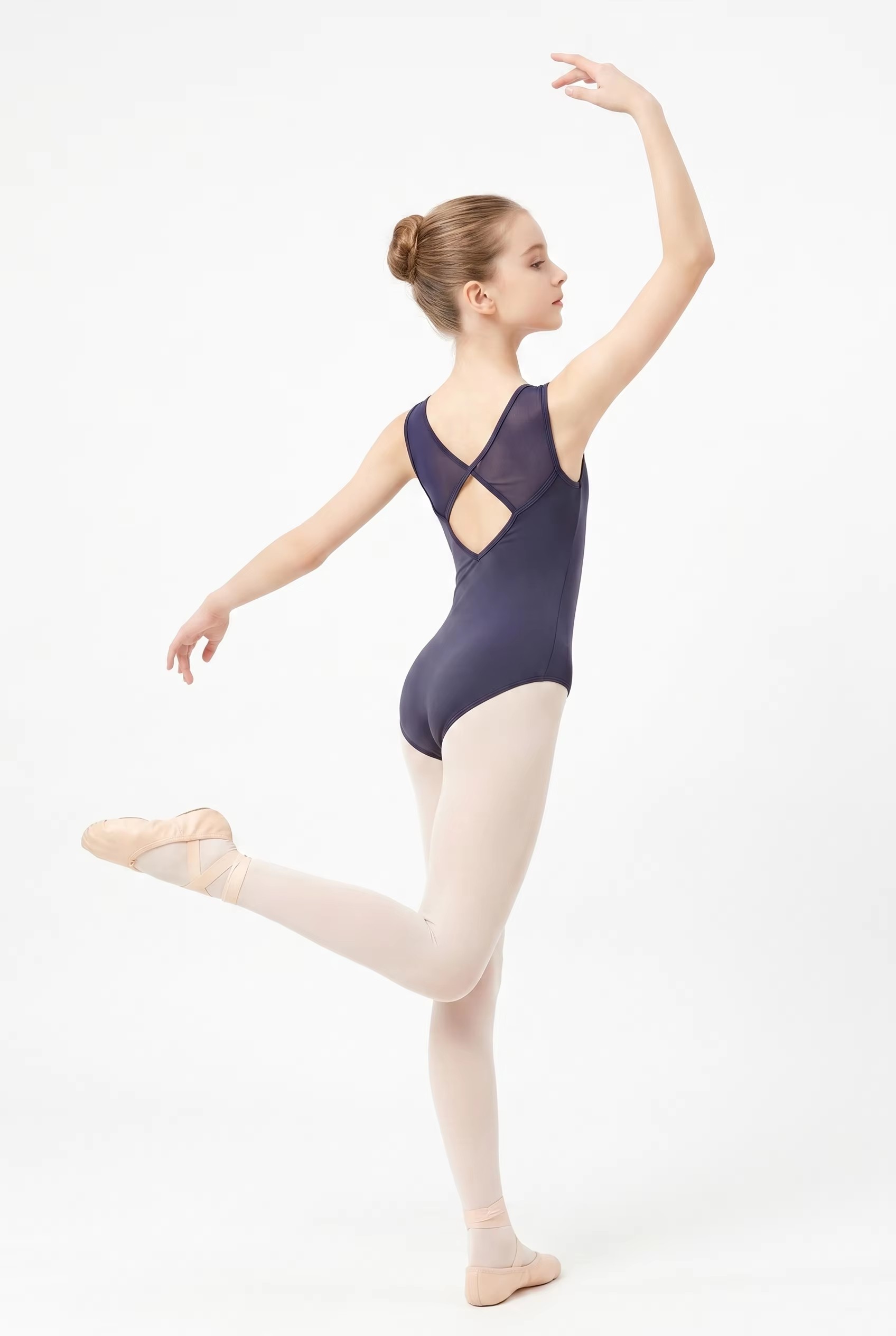
Garment complexity is among the strongest determinants of MOQ for custom dance wear. Each additional seam, lining layer, or engineered stretch panel increases cutting precision, sewing time, and quality verification steps. Designs with bodice linings, four-way stretch gussets, or multiple elastic channels often require specialized pattern grading and iterative fitting samples. A leotard with six seams, shelf-bra lining, and contrast binding demands significantly more labor and technical oversight than a streamlined silhouette. To recover development and setup costs, many workshops set MOQs at 50–100 units for basic styles—but raise them to 200+ for complex constructions requiring overlock, flatlock, or bonded seam techniques. Stretch fabric handling adds another layer: combining power mesh with high-recovery mesh, for example, requires pre-production seam elongation and recovery testing. These technical validations inherently raise the practical minimum run.
Customization Level: Branding, Trims, and Fabric Sourcing Impact
Customization level directly influences MOQ—not just in scope, but in upstream supply chain constraints. Even minor branding changes can trigger volume thresholds elsewhere. A custom logo waistband elastic, for instance, requires yarn sourcing, machine programming, and supplier setup—often with its own minimum order. Dye houses typically enforce full-dye-lot minimums (e.g., 300–500 kg), meaning a unique brand shade may force excess fabric purchase. Similarly, printed labels, specialty snaps, or custom binding each introduce development lead time and sampling overhead. Exclusive prints or limited-edition colorways often require mills to meet meterage minimums—sometimes several hundred meters—before production begins. Every added element—embroidery digitizing, custom packaging, or bespoke pattern drafting—adds fixed cost that must be amortized across units. As a result, manufacturers raise MOQs to mitigate risk. Choosing certified stock fabrics and standardized trims remains the most effective way to keep MOQs lean—without sacrificing performance or safety.
Proven Strategies to Achieve Low-MOQ Custom Dance Wear
Using Pre-Certified Stock Fabrics and Modular Trim Kits
Achieving low MOQ starts with minimizing hidden upstream minimums. Pre-certified stock fabrics—such as nylon-spandex, polyester-spandex, and power mesh—have already passed rigorous stretch recovery, colorfastness, pilling, and OEKO-TEX® Standard 100 testing. Using these eliminates custom dyeing timelines and volume commitments, letting brands differentiate through placement embroidery, contrast binding, or printed panels instead of full custom dye lots. Modular trim kits operate on the same principle: standard elastic straps, hook-and-eye closures, zippers, and rhinestone transfers can be reused across styles without new tooling. Request physical swatches and spec sheets upfront; even standardized materials should be formally documented in your tech pack. For sustainability-conscious buyers, confirm recycled content certifications (e.g., GRS or RCS) early—ensuring traceability and compliance without inflating MOQs. This approach preserves control over fit, stretch integrity, and durability while streamlining setup and reducing risk.
Collaborative Batch Sourcing with Other Dance Studios or Brands
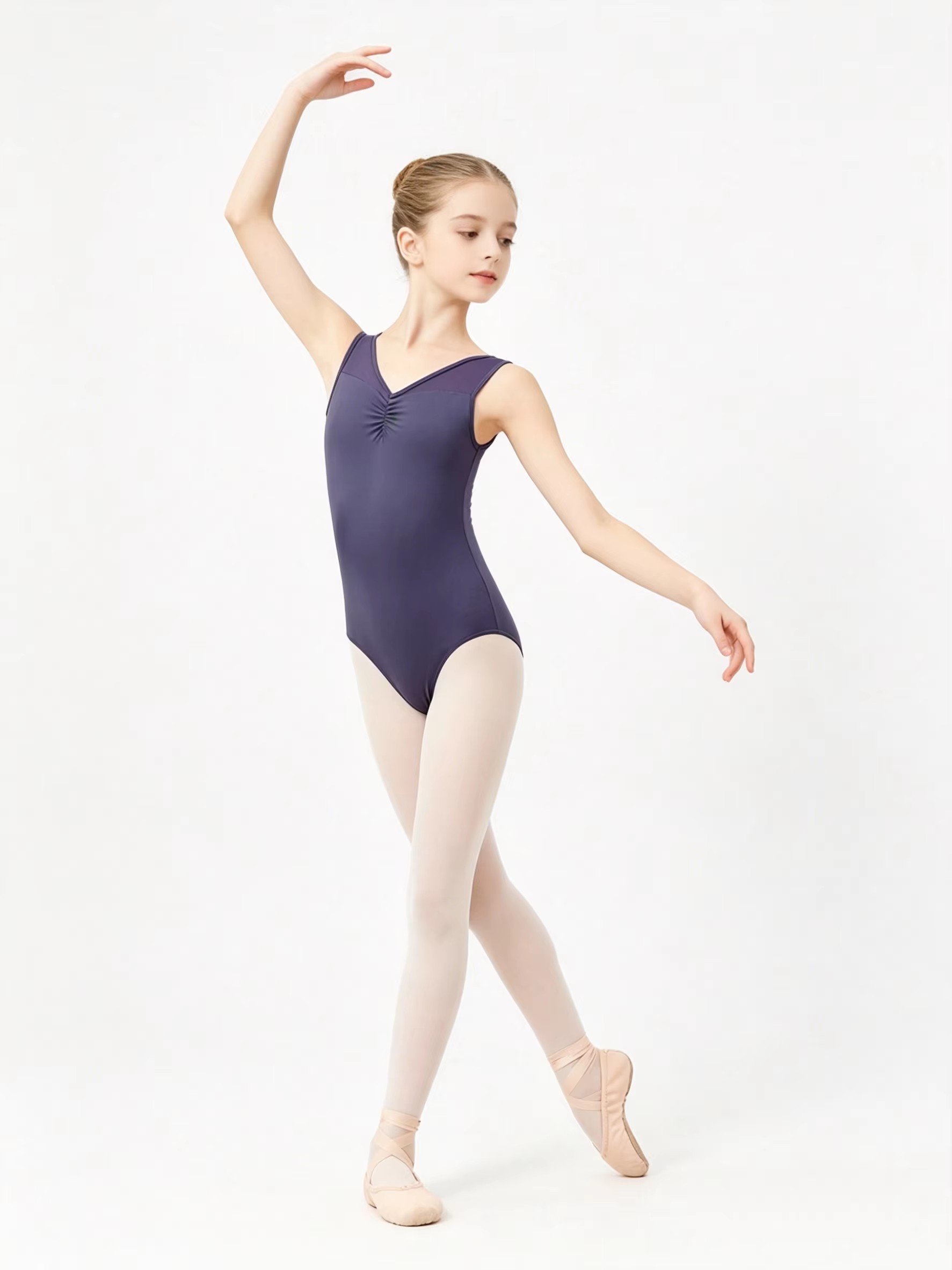
Small studios and emerging brands can unlock lower MOQs by pooling orders for shared base materials and components. A manufacturer serving multiple small clients can consolidate fabric and trim purchases to achieve volume pricing—while keeping individual order sizes manageable. For example, four studios needing similar nylon-spandex leotards can combine separate 25-piece designs into one 100-unit run. Brand differentiation remains intact via labels, embroidery, color accents, or custom packaging. Success hinges on clear collaboration: agree upfront on fabric specs, construction standards, delivery windows, and tiered MOQ structures. Ask your supplier to articulate how their flexible production model safeguards quality—because batch aggregation without proper controls can compromise seam integrity or elasticity consistency. When executed transparently, collaborative sourcing turns collective demand into individual advantage.
Balancing Cost, Speed, and Quality in Small-Batch Dance Wear
Small-batch custom dance wear rarely competes on unit price—but it excels in risk mitigation and speed-to-market. Break-even modeling clarifies the trade-off: a brand with $5,000 in quarterly fixed costs and $12.50 in variable costs breaks even at 154 units sold at $45 retail—a milestone often reached within 6–12 months. If a design underperforms, the loss is $1,500 in unsold inventory—not $10,000 or more. The higher per-unit cost reflects distributed setup, marker making, and quality checks—but that premium buys agility. To protect speed: prioritize pre-certified stretch fabrics, limit colorways, and reuse modular trims. To protect quality: define measurable checkpoints—including pre-production sample sign-off, in-line seam and elasticity verification, and final garment inspection. Balance emerges when you pre-sell confirmed sizes, produce only what demand validates, and treat the margin uplift as strategic insurance—covering the cost of learning what resonates before scaling.
FAQ Section
What does MOQ mean?
MOQ stands for Minimum Order Quantity, referring to the smallest quantity of goods a manufacturer is willing to produce per order.
Why are traditional MOQs for apparel higher?
Traditional MOQs are higher due to setup costs for fabric rolls, dyeing, and labor lines, which require economies of scale to be cost-effective.
What factors affect the MOQ for custom dance wear?
Key factors include garment complexity, customization level such as branding and trims, and fabric sourcing constraints.
How can dance studios achieve lower MOQs?
Studios can achieve lower MOQs by using pre-certified stock fabrics, modular trims, and collaborative batch sourcing with other studios or brands.
What are the advantages of small-batch production for dance wear?
Small-batch production reduces risk, allows faster response to market demands, minimizes excess inventory, and supports iterative design processes.