
 EN
EN

Why Sequin Leotards Have High MOQs: Production Realities
Sequin Application Methods and Their MOQ Impact
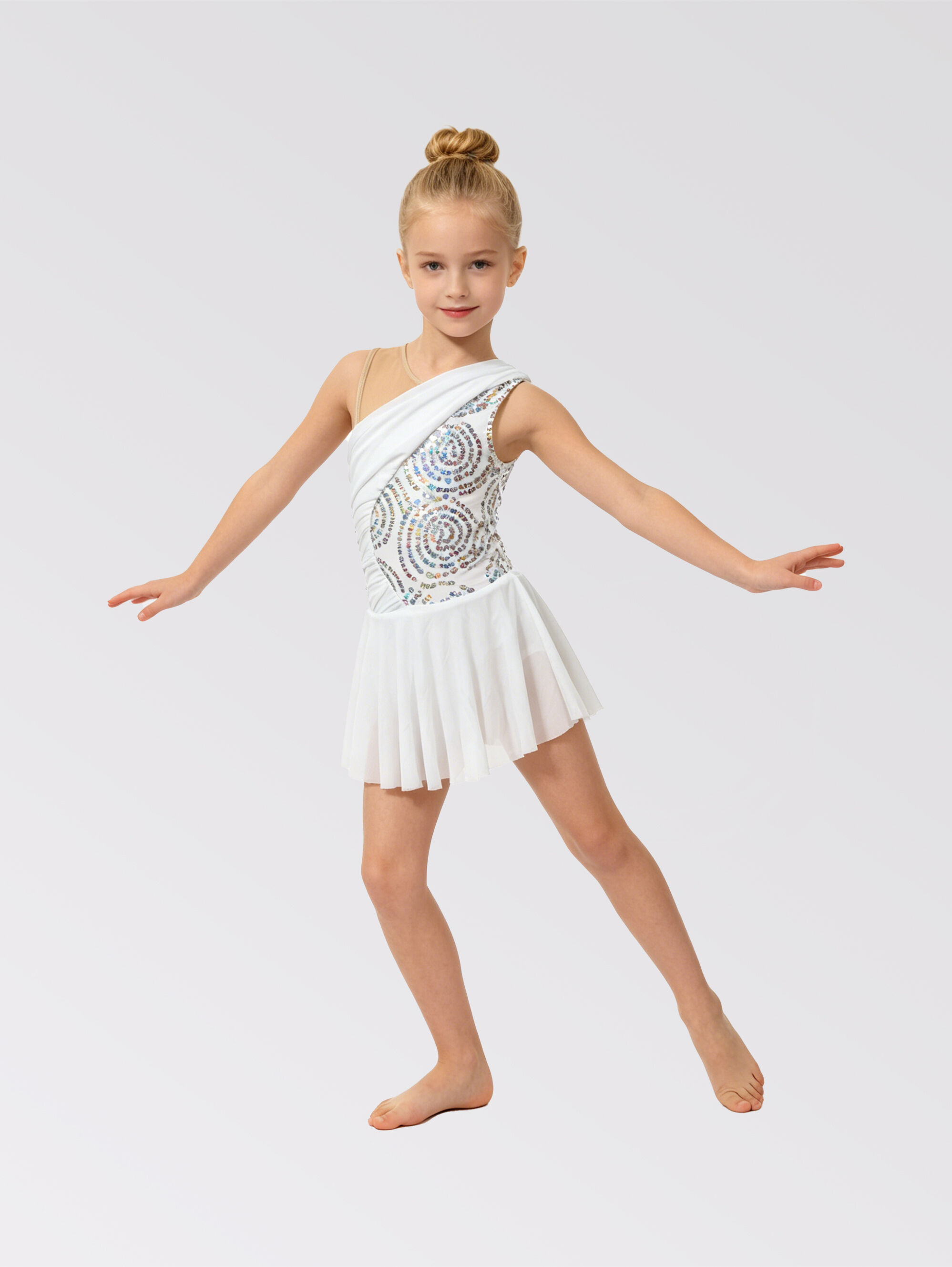
The production of sequined leotards necessitates one of three techniques: hand application, heat transfer, or embroidery. These techniques require a significant investment of time that is later converted to labor costs. Hand application is the most labor-intensive of the three and has a time investment of approximately 3–5 minutes per leotard. Heat transfer methods are the least labor-intensive, but each design incurs an investment of $200–$500, and custom-made templates later need to be evenly distributed through large product batches. Small production runs often require machine calibrations that can cause leotards to be inconsistently sequined, which raises the production waste during the process by 15–25% compared to bulk production.
Setup Costs, Labor, and Minimum Viable Batch Economics
When producing sequined leotards, the design adjustments of the machines are a fixed investment of $300 to $800, a minimum of 10 to 20 yards of fabric, and a minimum of 15 hours of labor. Factories often require 50 to 200 leotards to be produced in order to cover these costs. This margin can cause a 40 to 60 percent increase of production costs when fewer than 50 leotards are produced, due to jumbled variable costs of thread and quality. Most contracts include a minimum of 50 leotards that require at least 8 hours of uninterrupted work.
Sourcing Sequin Leotards with Small MOQ: Practical Methods
Pre-Stocked Fabrics and Modular Construction for MOQ Reduction
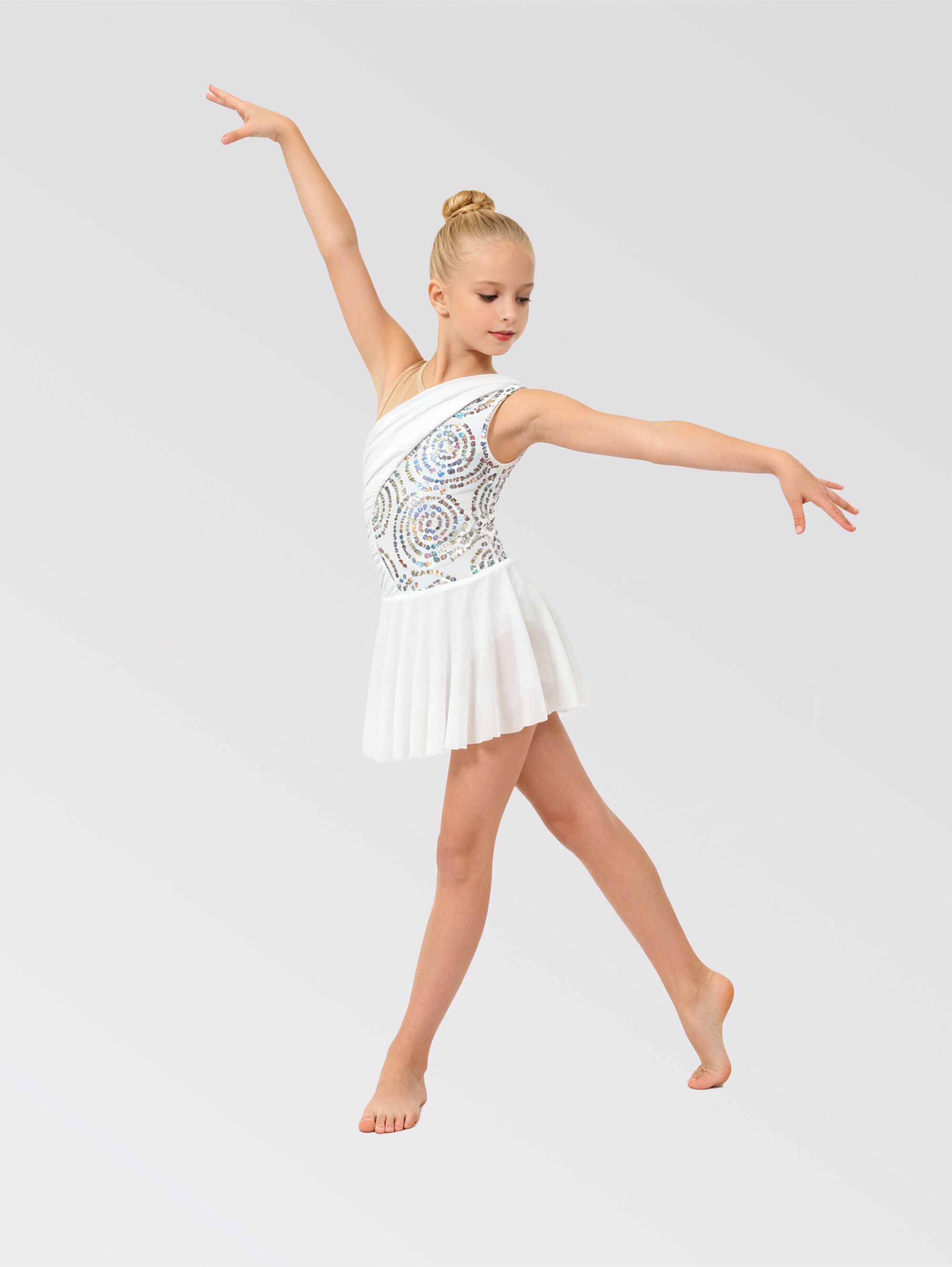
Manufacturers with pre-embellished sequin fabrics set up easily and affordably. Collaborating with them avoids MOQs and dye/sequin-placement setup costs. Custom colors and hues of gems (rose gold and amethyst) avoid custom charges. Modular construction, as in detachable sleeves, reversible cuts, or interchangeable waistbands, increases design scope with a base pattern and cuts required batch size by up to 60% while maintaining design range.
How to Find A Good Manufacturer for Sequin Leotard
Consider suppliers with written low-MOQ policies of 50 to 100 per style and what level of design, color, or fabric variant, and obtain samples to check sequin adhesion, stretch recovery, and seam functionality for performance. Smaller runs produce batch QC and 30% more inconsistent bead alignment, so discover per lot QC extent. Low-MOQ partners in non-dedicated slots may have lead times of 4 to 6 weeks for reorders.
Key Trade-Offs of Small MOQ Sequin Leotard Production
Color Consistency, Quality Control, and Reorder Challenges
When sequined leotards are produced in small batches, there are measurable trade-offs. Due to dye lot variations in small shipments, this results in dye lot color mismatches, a problem seen by 47% of low-volume apparel brands, as reported by the 2023 Sourcing Report. Quality control also diminishes. Since there are fewer units produced in each run, factories also allocate proportionally less inspection time to each unit. This increases the risk of errors in sequins’ alignment, the tension of the threads, and the durability of the seams. Each reorder adds even more complexity. Once a first small run is complete, suppliers are unlikely to retain the same lot of sequins or the same base fabric for later micro-runs, thus substitutions and/or minor design changes will be required. This disrupts inventory continuity. 68% of dancewear brands report that restocking small MOQ styles takes 3 to 5 weeks. Small-batch production is ideal for niche or test market launches; however, they are also associated with expanded costs, quality variance, and supply chain unpredictability.
FAQs
Why do sequin leotards have high MOQs?
Packaging in sequined leotards is labor intensive. Products often then employ hand sequining and heat transfer setup, and there is a loss of material in the calibration process.
What are some strategies for sourcing sequin leotards with a small MOQ?
You may want to collaborate with your company and the manufacturer on pre-stocked fabric, more modular designs, and/or more standard colors.
What are the risks of small-MOQ sequin leotard production?
Risks include, but are not limited to, variance with dye lot colors, low levels of quality control, and problems with inventory continuity causing longer lead times.
What steps should I take to maintain high standards for custom sequin finished leotards, when made in small batches?
I'd ask for some samples and check if there were protocols for QC at the manufacturers. There should be clarity around the inspection, sequin hold and stitch quality, especially for small batch orders.