
 EN
EN


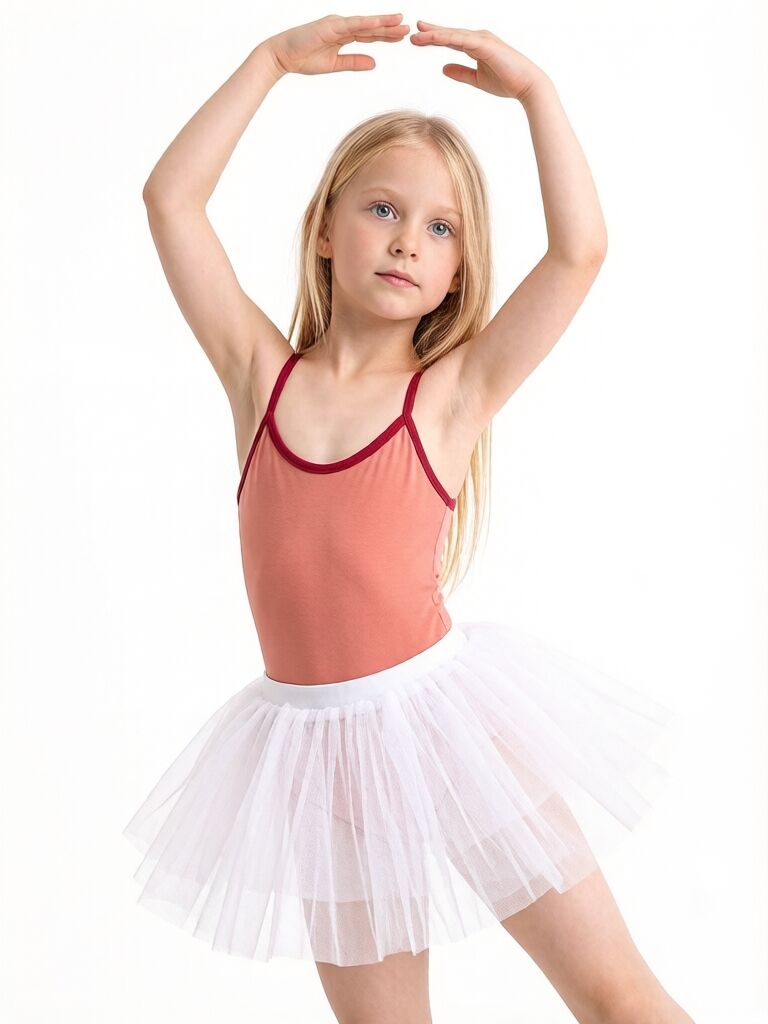
Understanding Correct Fitting for Gir's Gymnastics Leotards
Effects of Mal-Fitting Leotards on Performance, Safety, and Self-Esteem
Leotards that do not fit correctly can legally put an athlete at a disadvantage. Possible disruptions of performance caused by an ill-fitted leotard include slower jumps and reduced speed due to the drag caused by the extra material. A leotard that fits correctly removes the obstacles that prevent free movement. Leotards that fit properly reduce the chances of an athlete catching on their equipment and prevent injury. Research conducted by the 2023 Youth Sports Confidence Survey shows that 68 percent of young gymnasts will not attempt challenges. A leotard that does not fit correctly prevents self-challenge, tends to fall during jumps, and restricts movement.
Potential Longevity of Correct Fabric Fit
The construction of the fabric and the elasticity of the fabric affect the possible longevity of a leotard. New fabric developed through engineering of high elastane blends and knitted construction have reduced the positive effect on elasticity and a positive compression affect. These new fabric blends also reduce the positive effect of compression on elasticity, and self-restoring positive compression. Bonded fabric and seams with a reinforced edge and seams reduce fraying, while providing stability for fabric changes to the athlete's body.
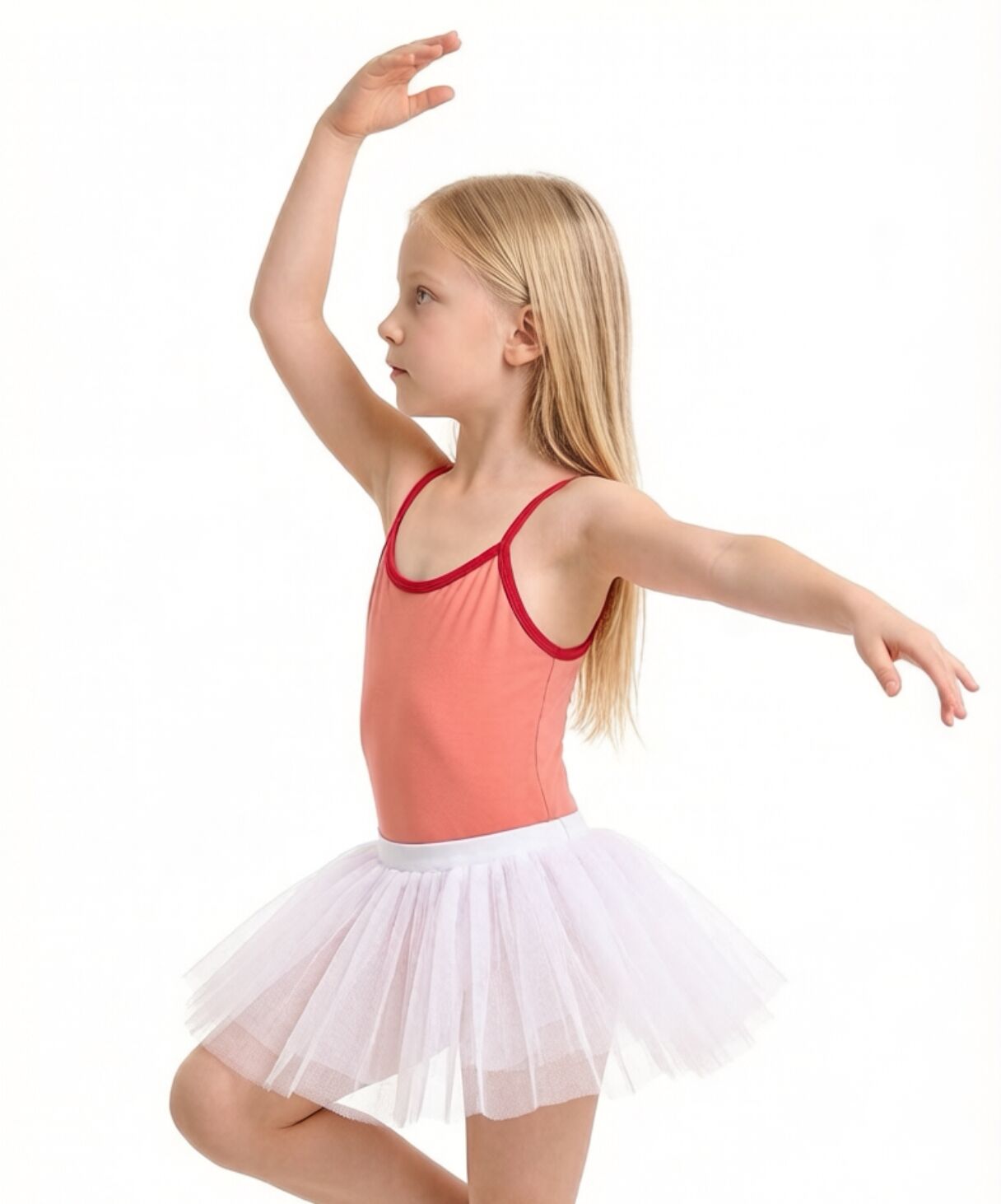
Accurate Measurement Techniques for Girls Gymnastics Leotards
1. Baseline Measurements
Getting accurate measurements is important when considering leotard requirements. A flexible tape measure is recommended. When measuring the gymnast, they should be in minimal clothing. It is important measurements are accurate as possible when selecting a leotard for a gymnastics competition:
- Putting the tape measure level and snug, measure the fullest part of the bust. When measuring the bust, the tape measure should not be tight.
- When measuring for the waist, you should measure the circumference of the natural waistline, which is between the ribcage and the navel.
- When measuring the hips, the tape measure should be level and snug around the widest part of the hips and buttocks.
- For the torso length measure, start the tape at the base of the neck on the high point of the shoulder. The tape measure then should go down the front between the legs and back again to the starting point. When taking this measurement, the tape should be taut but not quite stretched.
Record the measurements in both inches and centimeters. The units should match the leotard's brand measurement units.
2. Growth and Asymmetry in Young Gymnasts
It is not expected that young gymnasts grow in a uniform fashion. It is important the leotard accounts for this uneven growth. If torso growth spurts are expected, consider providing 1–1.5 extra inches of stretch for indulgent sizing in the torso length of a training leotard. Training leotards should not account for extra space in uncontrollable sizing elsewhere. This results in a lack of coverage and control. To account for asymmetry when considering hip and shoulder measurements, take the larger asymmetry measurement. When selecting a leotard, fabric selection is of the highest quality it the reach of the designer. Stretch leotards are typically of a high-recovery, 4-way elasticity. A leotard's construction should let it sustain its structural integrity while providing coverage. The construction of the leotard is of reinforced stitching and has an integrated gusset that remains adaptable to growing and shifting proportions of the student gymnast without compromising coverage or control.
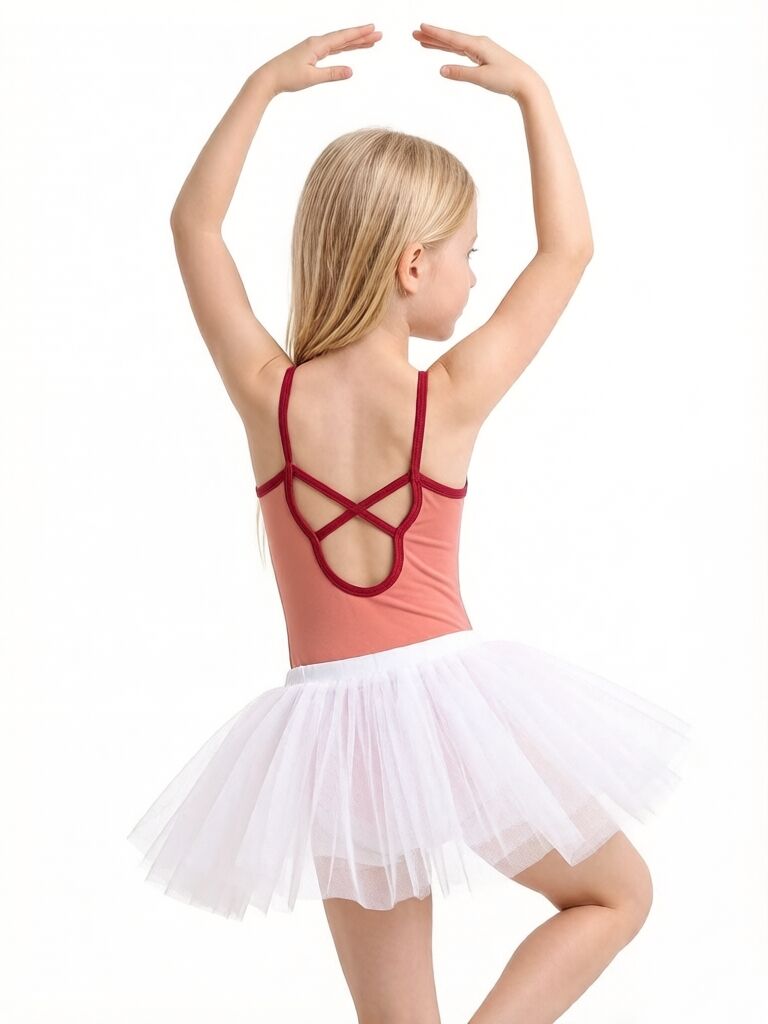
Size Guides and Optimal Fit for Girls' Gymnastics Leotards
Girth-Based vs. Age-Based Leotard Sizing
For gymnastics apparel, age-based sizing is a substandard oversimplification that doesn’t catch the disparity in torso lengths and muscle growth. Some brands use girth-based sizing as it accounts for the differences in body proportions across athletes and girth-based guides, according to industry data, are associated with less returns, fit-related returns declining by 32% (Apparel Industry Analysis, 2023). Stretch materials will lead to dynamic conforming, with some athletes having 24-inch torsos, body measurement-centric sizing is critical, and performance fit should rely primarily on torso girth and the circumference of hips and bust. A gymnast with a 24-inch torso, for instance, may fit a different size as compared to peers of the same age, underscoring the importance of sizing that accommodates body measurement relative to age.
Growth Room versus Competitive Precision
Between sizes, what to do? For competition leotards, the less than category up to 0.5 inches, if fabric is seen to be slack, it is better. If fabric is slack it will cause lag, and will not help in upholding the line integrity. Judges will not appreciate if the fabric is seen to cause disruption, as it will be seen as fabric distortion. A new study conducted in 2024 with junior gymnasts, stated that if there is excess slack, it will cause distortion in line integrity, and the truism that is required for controlled landing, will not hold true, and in fact score may even be impacted by the leotard’s fabric. For everyday training, sizing up may be appropriate, if a growth is seen to be present, however when sizing up occurs, it is important that it not be gaping. In instances when lining is streamlined, it is better to opt for the small size. A range of 20-30 percent of spandex will help in retaining and compromising of the integral saturates of the fabric is not within the range. In addition, stretch recovery is seen to be a positive.
FAQs
What is the importance of good fit with gymnastics leotards?
Safety and aerodynamics are ensured along with snagging and shifting of the fabric not being present. It will also increase the confidence level of the gymnast in tank tops as there is a level of comfort that is gained.
What are the important components of a gymnastics leotard that is of good quality?
For a leotard to hold its integrity and not sag during a routine, it is important that it be of 4-way stretch fabric, be of high recovery, flat set seams, and have a lined
How are the measurements for a gymnastics leotard?
Ensure the gymnast is in a neutral position. Measure the bust, waist, and hips with a soft winemaker and compare with sizing chart.
What if my gymnast has uneven growth or is between sizes?
Growth spurts can be addressed by adding 1 - 1.5 inches in torso length. When picking sizes for competitions, precision is more important than fit, so pick the smaller size. For practice, take caution and select the larger size.
What is the reason for girth-based sizing in larger brands?
The largest brands use girth-based sizing to accommodate differing proportions in torso length, seating, and hip width. This is a more accurate system than age-based sizing.