
 EN
EN

Custom Dance Costumes: A Practical Investment Beyond Aesthetic Appeal
Biomechanical Fit: Injury Prevention & Performance Optimization
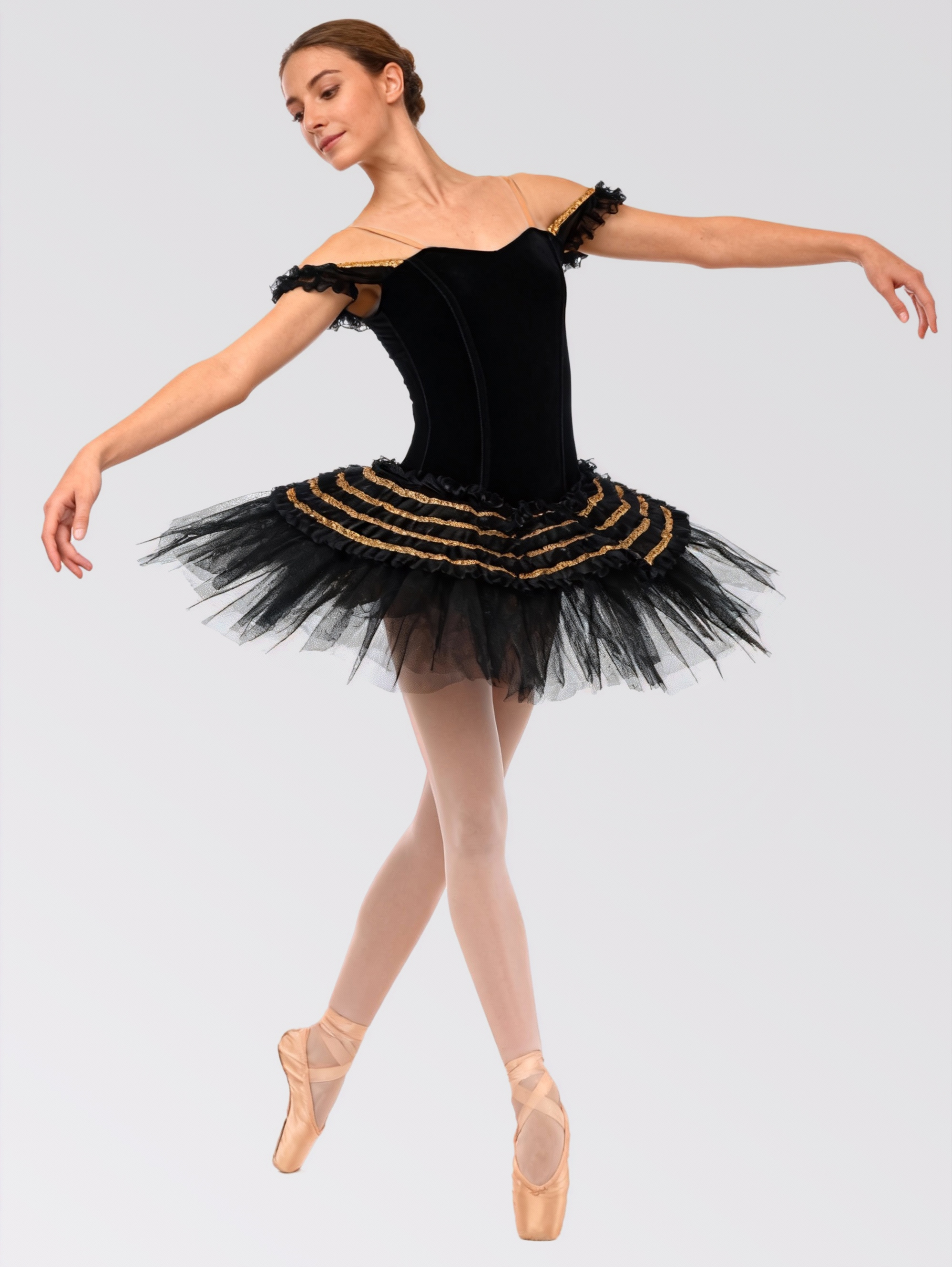
Biomechanical fit means design-integrated movement facilitation that enhances range and reduces movement-induced injuries due to costume design. Dance costumes that are not custom-designed fit and function to cause compensatory postures and movement to the body that are structurally outside the design of the costume. Compensatory postures and movements are a significant cause of rehearsal injuries due to strain and muscle fatigue on joints, with 62% of rehearsal injuries due to improperly designed costumes (Journal of Dance Medicine and Science, 2021). Precision tailoring to costumes designed with an understanding of biomechanics include:
- Seam placement above friction points on joints during leg and foot extensions.
- Position-appropriate stretch panels to design and function with muscle engagement.
- Weight-appropriate balance of fabric to mass during rotational turns and jumps.
Biomechanical design and fit means less fatiguing and more efficient muscle use, with a 41% reduction in fatigue in the use of custom costume design resulting in the same mass production for dance costumes. Movement-forced design also means dance costumes include the custom design of fabric to wick moisture and induce evaporative cooling to regulate and maintain the body surface and core temperature during high energy intense movement.
Impact: 78% Reduction in Movement-Related Injuries with Custom-Fit Costumes (IADMS, 2023)
A custom-fit costume design integrated with biomechanical design and personal tailoring means a reduction of movement-induced injuries by 78% and fatiguing injuries due to costume design in an 18-month study by the International Association for Dance Medicine and Science (IADMS) conducted on 1200 professional dancers. 3.2 times the amount of physical therapy intervention occurred because the semi-custom and pre-fabricated costumes made poor design of costumes that limited movement. 43% confirmed the injury was due to the poor active restriction (broken dance) of the costume design.
Leading professional performing arts institutions have developed partnerships with costume lecture brands with technical design and biomechanical fitting as the foremost design philosophy for costume design. Custom design philosophy means aesthetic flourishes to fabric, and production essential protective measures for the costume design to have accurate positive design intervention for the frame and integrity of the dancer.
The Limiting Factors of a Great Dance Professional Costume Store
Main Factors of Consideration: Custom Pattern Drafting, Fabric Sourcing, and Movement Consultation
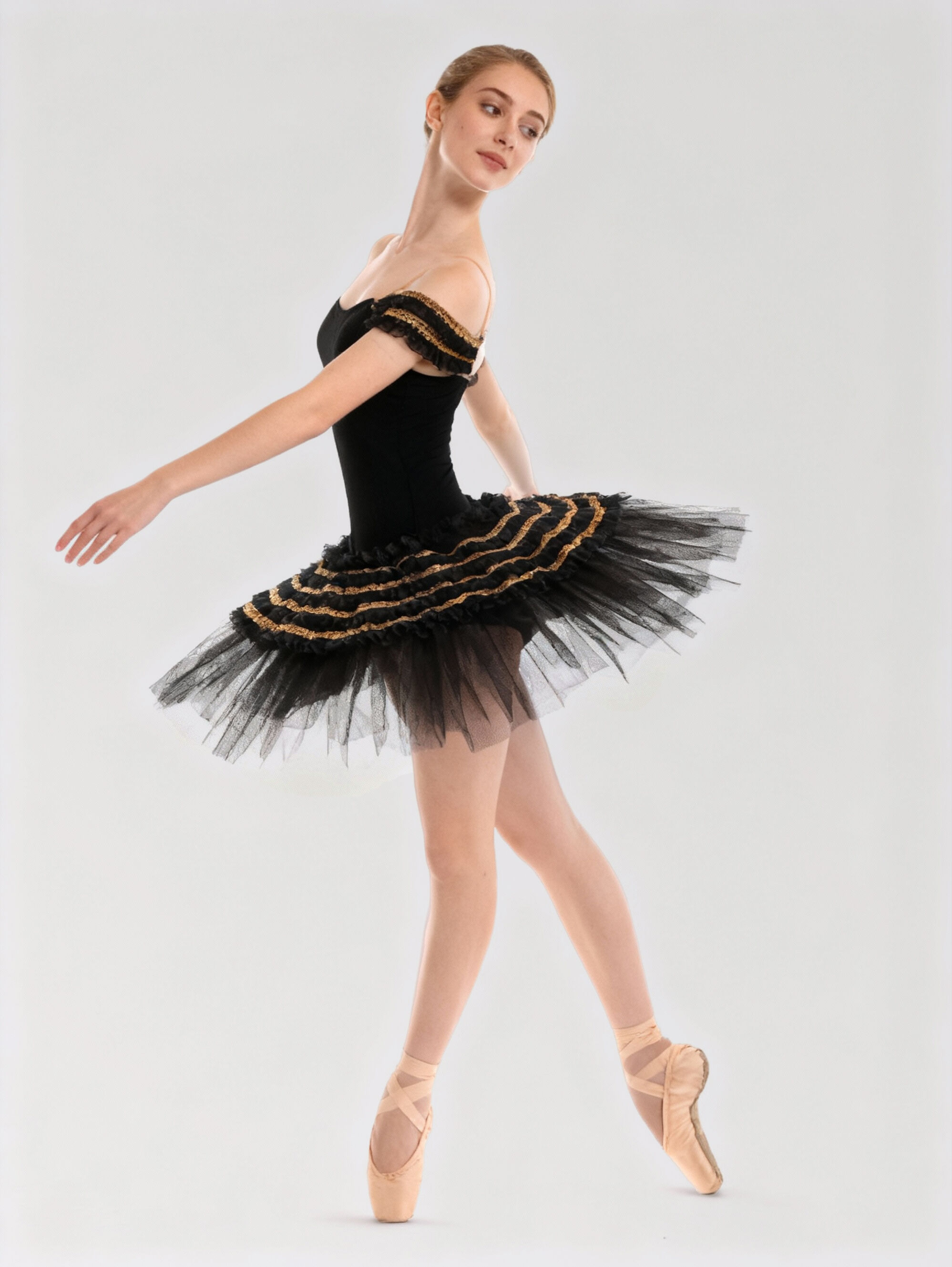
Three interrelated factors are what sets stores for professional dancers' costumes apart from one another. Custom drafting of patterns facilitates costumes that support movement as opposed to restricting it. This eliminates seams that bind for turns, extensions, and floor work. Fabric selection is a consideration that ¬should be made for visual appeal, as well as tactility. Choreographic demands are covered with materials like four-way stretch fabrics that breathe, endure, and passively wick moisture as they are loaded. Movement consultation is a fundamental part of work done and an integral part of each stage of development, including how a garment performs during lifts, rapid direction changes, sustained balance holds, and more, to thoroughly evaluate garment construction. When combined, these factors result in a garment that is more than a decorative accessory, and a fully functional tool for integrated performance.
Evolution of the Service Model Costume Store From a Retail Business
Leading stores for costumes today are employing a hybrid model in which they can balance the benefits of retail with the flexibility of bespoke. Custom and made-to-measure design requirements can be applied to the finer details for professional premiere level costumes, as well timely needs for inventory that can accommodate pieces for studio recitals and educational workshops that are ready to go. This model can be applied to costumes at any price point, from a regional studio that is working with a limited budget and needs costumes quickly, to a touring company that can afford custom designs that are original to the company with movement and performance routes built into the design. This model, most importantly, allows places to have expert consultation and support even if the piece is ready to wear and ensures that the piece is made with biomechanical practices in mind.
Custom vs. Semi-Custom vs. Catalog: Custom Costume Store Services Explained
When choosing a dance costume store, you must understand the degree of customization. True custom means actual design, including drafting a brand new pattern, involving cutting the pieces of the garment, up to every single dancer's measurements, body asymmetries, and full kinetic vocabulary of the choreography. Each and every single seam, every panel, and closure design, serves the integrity of the movement. Semi-custom takes the same pre-made template and modifies it, i.e. a fabric change, a color change, and/or some structural change, but is still completely limited to the base geometry of the pattern. Catalog costumes are mass produced, and as such, require simply basic alterations such as: heming, adjusting the straps, and shortening, etc. Catalog options are the fastest and most affordable, but inevitably provide biophysical imprecision. Semi-custom is most flexible for the budget-conscious consumer, but in the context of elite performance, where injury prevention, stamina, and artistic specificity are all essential, true custom is the only option.
Custom from the Ground Up: Costume Stores and a Movement-First Approach
Deconstructing choreography from the outset requires a professional costume store to design from first principles. Movement sequences, whether they be pirouettes, floor work, partnered lifts, etc., are mapped and referred to in the seam design when a choreographer assembles a team to work on a piece. For example, boneing in a seam that follows muscle activation is designed to prevent the seam from flexing the hip to preserve the alignment of the leg and to control the rotation of the panel. The choice of fabric is determined by the type of movement the choreographer performed: flexible fabric in a contemporary phrase for movement to counter the dance phrase, etc. Each element of a garment and its construction is gilded for the purpose of maintaining the choreographer's vision and the costume's movement.
Fit Testing in Three Stages: Rehearsal, Tech, and Performance
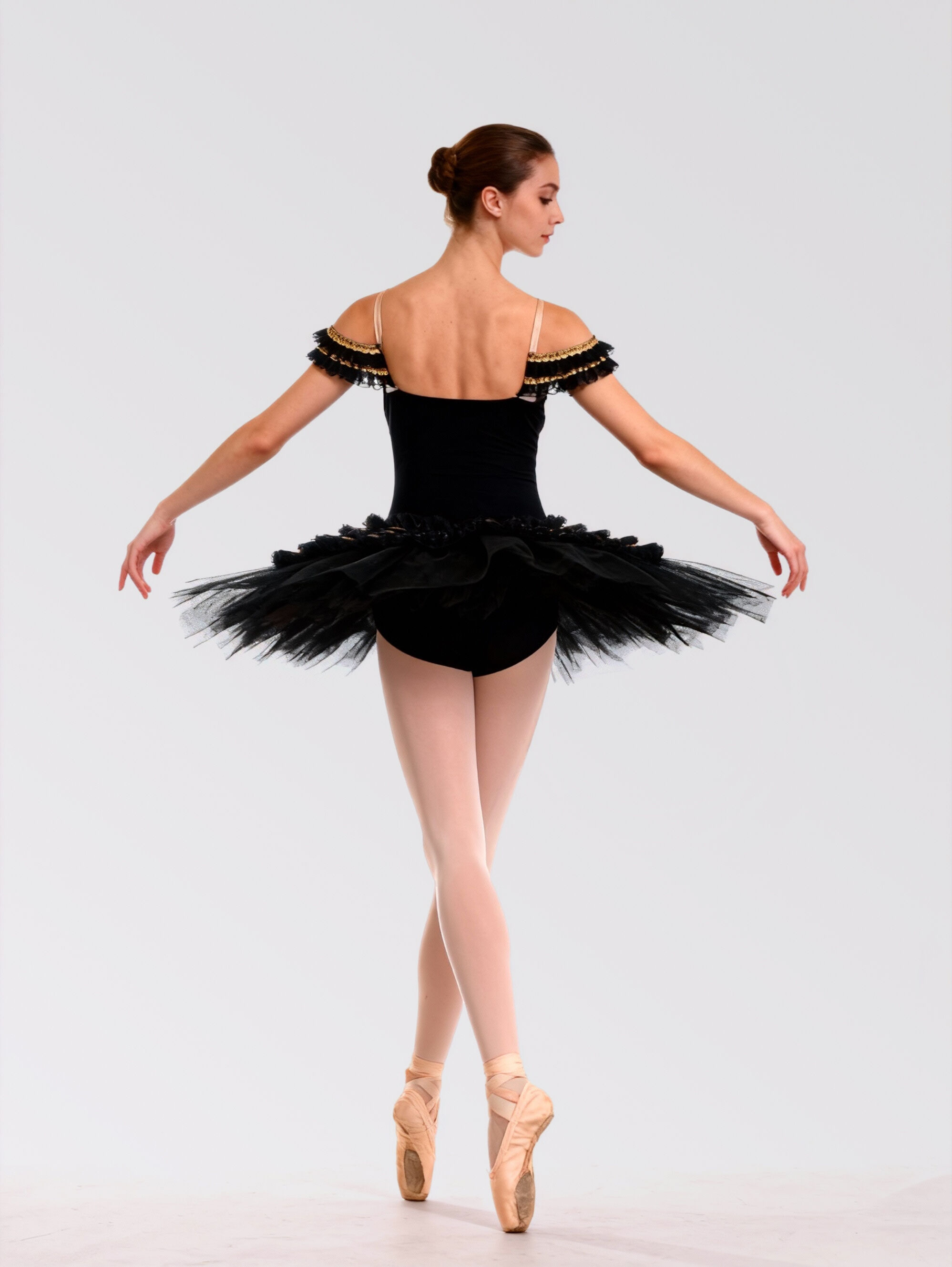
Before fully realizing a costume, we have built-in ways of checking for the real-world impact of the custom dance costumes. During rehearsal testing, we check for studio/costume chafing, binding, and mobility limitations after multiple full-run repetitions. Technical testing runs through stage-specific scenarios. This may include verification tests for reliability of velcro for low-light quick changes, beading that withstands floor contact, and closures that stay shut during leaps. Performance validation occurs during dress rehearsal and involves assessment of how the absorption of sweat affects the fabric’s drape, the stability of the hem during elevation, and how well the costume works with the dancer’s rhythm. These phases evoke refinements which can include millimeter strap length modifications and closure changes, which make the costume feel like a natural extension of the body. This theme is a major contributor to the rationale behind the documented 78% injury reduction by IADMS (2023).
FAQ
Why are custom dance costumes a necessity?
Custom dance costumes are a necessity due to their harmony with the dancer’s biomechanics for injury prevention, and optimized support for enhancement of dance performance.
How do the tiers of costume customization work?
Customization tiers are true custom, semi-custom, and catalog. True custom is a fully bespoke and design-based line made dress costumes with distinct measurements. Semi-custom involves fabric-based modifications, and catalog options are ready to make with minimal and/or no alterations.
How do custom costumes reduce the risk of dancing injuries?
Custom costumes diminish the risk of dance injuries through a thoughtful placement of seams and structures within the costumes to serve the dancer’s natural movement and design around the movement in order to avoid any strains, restrictions, or limitations that could lead to injuries.
What is involved in the choreography-driven design process?
Within the choreography-driven design process, dance is integrated into the costume design by working with choreographers, so that every movement of fabric and every seam is in tune with the choreography.