
 EN
EN

Technical analysis of private logos on dancewear fabrics
Fabric Compatibility for Leotards, Tights, and Jackets
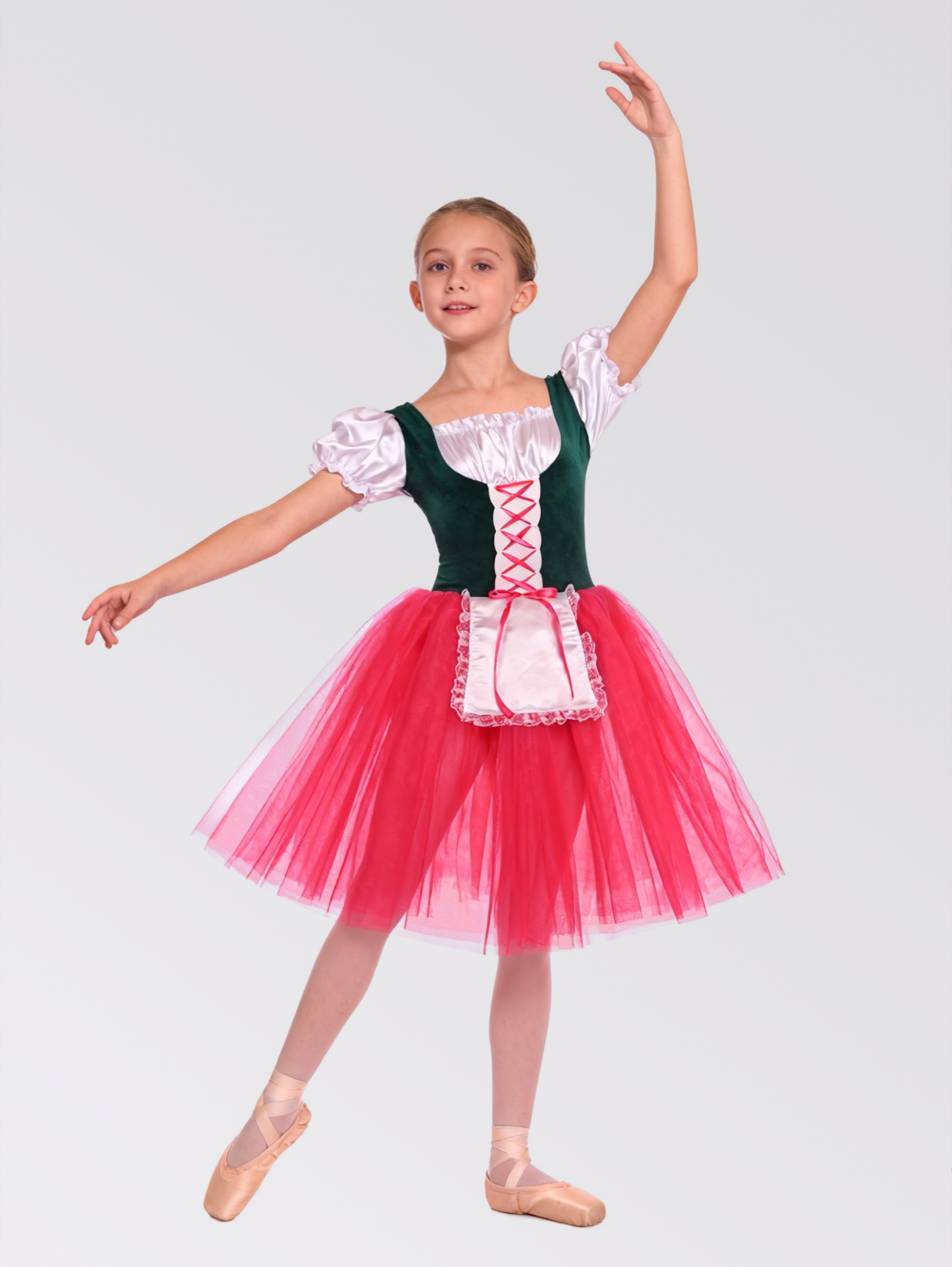
Most dancewear (82% market adoption) consists of nylon and spandex blends reinforced with 4-way stretch and moisture-wicking properties. Leotards, tights, and dancers jackets, made from these materials, present challenges in logo placement. High-performance fabrics have limited logo embroidery in dancewear due to their stretch, which machines cannot stretch > 200% (per ASTM D2594) without thread breakage. Materials may pucker, and thread may break with dance movements like pliés or grand jetés. Leotard backs and jacket sleeves may offer the most embroidery placement among tights due to their surface. Tights may also require specialized hooping to avoid distortion.
Challenges of High-Performance Stretch Fabrics
High stretch recovery rates > 90% (ASTM D3107) results in micro-fractures of standard inks used in screen printing after 15 or fewer launder cycles. High-performance fabrics, Screen-printed logos, and embroidery will be stiff for movements in dance that involves straps. Dance fabrics also undergo other multidirectional strains of 360° torsional stress, 150% elongation for extended leaps, and compression during floor work with transitions. These result in shearing of rigid prints and membranes that also restrict airflow due to embroidery. It is no surprise that many manufacturers use low-profile and highly stretchable constructions that maintain ≤5% restrictions on fabric elasticity. This is the standard in core competitive dancewear where freedom of movement can impact safety.
Custom Dancewear and Embroidery: A Consideration of Technical Requirements and Creativity
Flexibility of Embroidery and Stitching for Dancewear
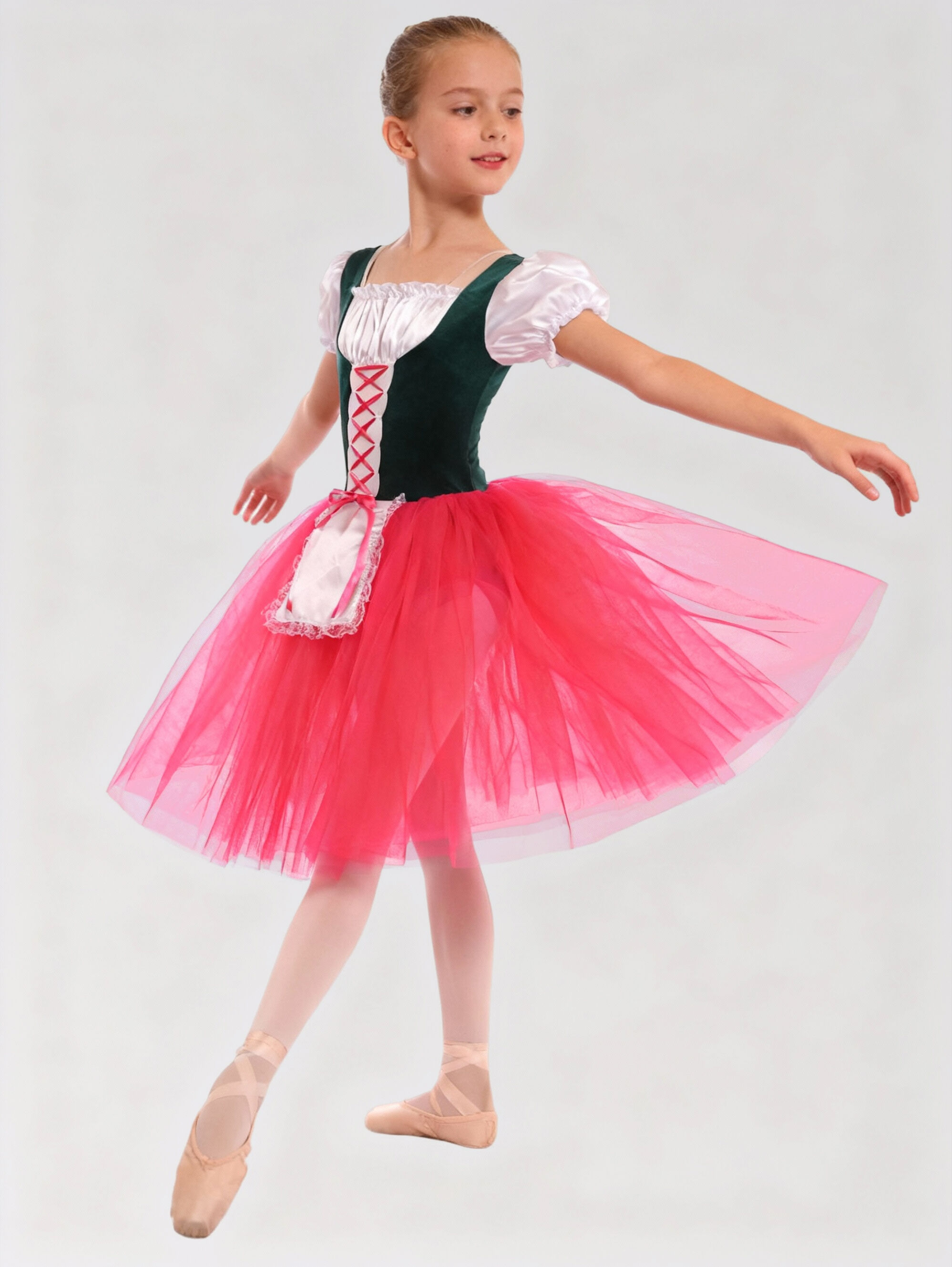
While embroidering dancewear, it is necessary to consider the kind of stitching and techniques, especially with the stretch of the nylon and spandex fabric. With embroidery, the optimal stitch count should help to ensure that the dancer is not restricted to perform movements and that puckering is avoided. A stitch count of 1.8 to 2.5 stitches per mm is best for providing flexibility and durability during ballet/jazz movements. Considerable stitch count around the seams, such as the side seams of leotard and the waistband of tights, help to relieve stress in case of high stretch maneuvers. To sew an area with the least embroidery distortion, it is recommended that the stitch base not only be top stitched but has some underlay stitching which has been shown to reduce the distortion of the embroidery by about 30% (Textile Lab Testing 2023). With contoured areas such as sleeves, directional stitched are recommended to be in the manner that would follow the muscle paths.
Real-World Validation: Studio Uniform Program Shows 92% Wearability Retention
It has been shown that having commented aligned with the behavior of the fabric used does show some embroidery viability. In the case of the studio uniforms that were embroidered, there was about 92% retention of the logo as well as the fabric after 75+ washes and rehearsals over the course of 12 months. The most important factors that contributed to the fabric's success were primarily the use of vector-based digitization, a maximum line width of about 3 mm, satin stitch covering restricted areas in the vicinity of high flex, and soluble stabilizers used during embroidery to address post-embroidered residue. As a result of the above, the typical “gapping” and fatigue formed around the embroidery were not present, thereby providing a fully functional solution to the stress-embroidery of dance branded wear.
The Honest Truth About Screen Printing on Dancewear: The Facts About Durability and Color Degradation When Printed Designs are Stressed
Dual Comparison of Plastisol and Water-Based Inks on Nylon Spandex Materials Based on ASTM D5034 Wash and Stretch Standards
Screen printing fabrics that stretch, like nylon-spandex, have unique requirements that rely on specific ink selection based on the movement type and range of the fabrics in the intended activity. ASTM D5034 is the standard that has been developed to test the effects of repeated washing and stretching on the printing mediums used. The results of the test show significant performance differences between the two ink types, plastisol and water-based, in the various categories of:
Do the inks maintain their original color after a number of wash cycles? Does the printing medium allow the fabric to be flexible enough to move with the type and range of movement that are in the intended activities associated with this fabric? Does the printed fabric have a pleasant feel to the hand? How many consecutives wash cycles does the fabric maintain these performance characteristics?:
Nylon-spandex fabrics require used inks that are flexible and have the unique ability to withstand the repeated stresses of high energy movement activities like dance. Inks that are plastisol-based have a physical and chemical structure that allow them to withstand repeated stresses like a high-energy and movement-intensive activity like ballet and gymnastics. The inks are a bit less flexible than water-based inks, and therefore, are a bit less breathable, but because of the construction of the ink and the structure of the lip, they do allow the fabrics they are printed on and the garments they are a part of to breathe somewhat. Because water-based inks have a construction that allows them to absorb into the fibers of the fabric, they do not have the restriction that plastisol inks do on flexibility, and do not have the limitations that are placed on fabrics and garments because of breathability. In the dancewear world, water-based inks are considered to be the standard if a fabric is to be used that has a high stretch requirement. However, it has been reported that water-based inks are subject to a high rate of color degradation after being subjected to repeated washing. This is reported in the Textile Performance Journal. When it comes to these two mediums, a certain level of compromise is needed between the two. Plastisol inks are ideal for inflexible fabric zones, like the back of a leotard. In flexible fabric zones, like the areas around the joints of a leotard, water-based inks are the better choice. The temperature used to cure the inks is a critical factor and, for most fabrics, is recommended to be under 300 degrees Fahrenheit. This is the standard curing temperature for most fabrics to ensure that the fabric retains its structure. The improvement in the fabric's structure means that the fabric will be of use in multiple dance classes for over 100 hours.
Process for Creating Custom Dancewear Logos
Vector Files, Minimum Line Thickness, and 3mm Embroidery Digitalization
Custom dancewear logos require a technical approach with specific requirements. Logo designs must be done in vector-based files which are saved in either EPS or AI formats. These formats allow for unlimited scaling with zero loss of quality. For embroidery set at 3mm, line thicknesses must be kept above 1.2mm. Anything thinner than this may break during stitching and compromise the logo. Digitizing is a process in which designs are converted into detailed stitching instructions. These instructions consider how the fabric will stretch and distort as ballerinas or jazz dancers are wearing the garments. Studios should not use designs with a lot of gradients as this can complicate the embroidery; a solid design uses less technical execution and looks cleaner. Be aware, when logos consist of text, if the height of the letters is less than 0.3 inches, they will become impossible to read. Logos with heavy stiching are also inflexible so they won't allow a fabric to stretch. Well digitized logos will show a 40% decrease in construction errors. This will allow logos to endure the tough demands studio use.
Questions and Answers
Why use a nylon-spandex blend for dancewear?
Because a nylon-spandex blend dancewear fabric has a 4-way stretch and is of great use when fabric has to be tight and be moisture-wicking.
What is the biggest challenge in logo application in dancewear?
The biggest challenge is the logo application while trying to maintain the integrity and elasticity of the logo which has as many issues as puckering, distortion, and micro-fracturing of inks in the logo.
How can dancewear and embroidery co-exist?
Dancewear and embroidery can co-exist by adjusting the stitch density, placement, directional stitching, and using stabilizing underlay stitches to counteract distortion of the fabric at the embroidery.
What differentiates screen printing inks like plastisol and water-based inks when it comes to dancewear?
Color retention and durability is a strong point for plastisol inks, but the limited elasticity is a drawback. Water-based inks will provide elasticity and a softer feel to the touch, however, they will fade faster.