
 EN
EN

Why is Naturally Cooling Performance Dance Wear Needed in the Summer?
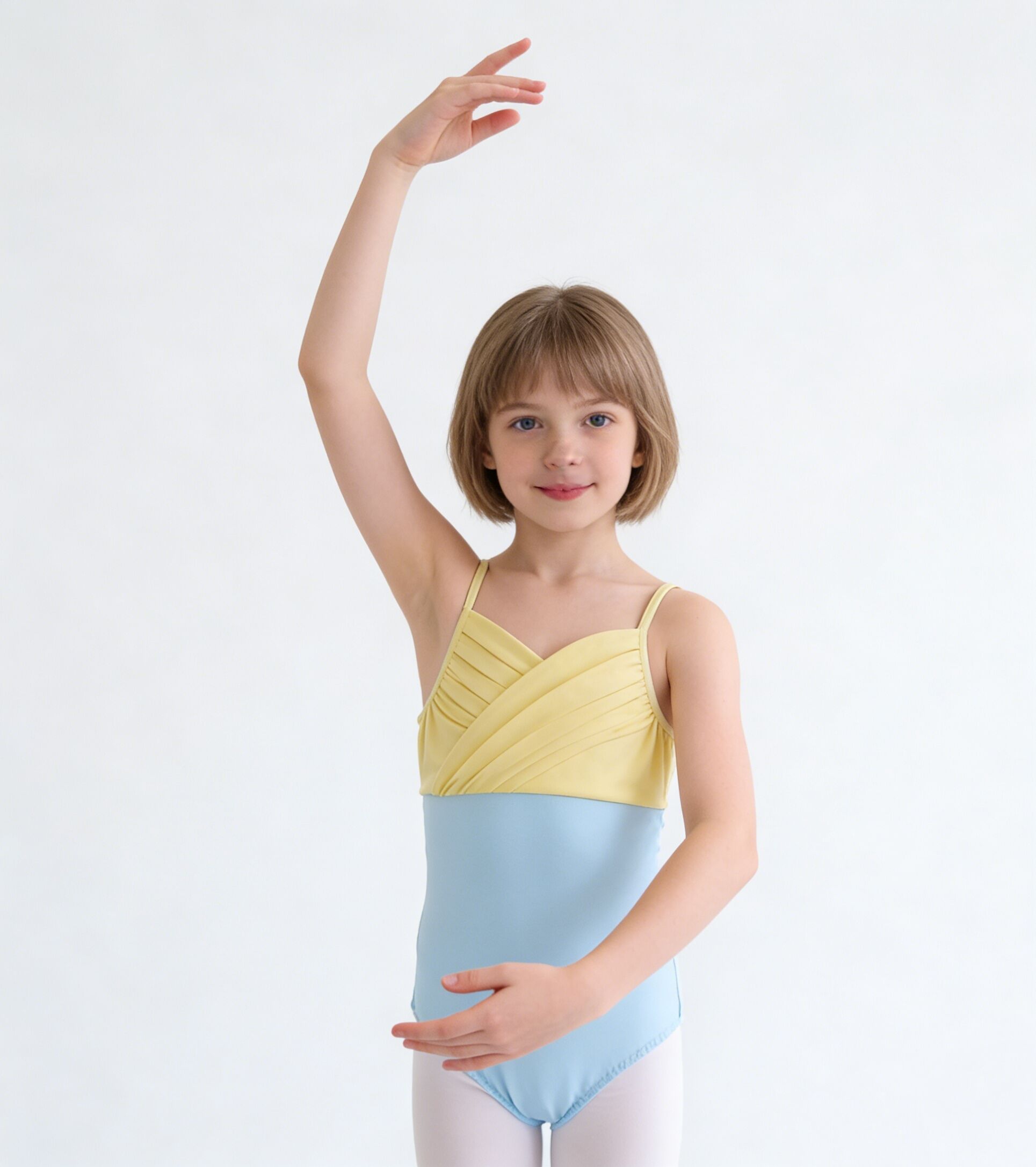
Many dancers are unable to retain energy and use techniques properly in high temperature dance classes. Even a temperature of 77°F (25°C), 60 percent of your body heat escapes in a form of radiation. Because of this, thermal regulation is a must for dancers. Over longer periods of rehearsal, unventilated fabrics get damp with sweat. When this happens, the fabric cling is a 'sweat gluing' type comfy but discourages movement and may cause a 40% increase of irritation to the skin. Dance fabrics encourage the evaporation of moisture to remain dry when fabric cling is a must for various dance techniques. Moisture management is very important because it prevents chafing and preserves core and muscle temperature. Peak core temperature increase of 2°F is proven to slow the reaction time of each dancer by 15% and demonstrates the need for longer peak core temperature to preserve the peak of ones artistic performance. Even fewer micro pausing to adjust summer clothing, means greater focus towards choreography. Definitely the summer discomfort associated with technical training is 'fighting the discomfort' rather than summer discomfort associated with technical training.
Nylon-Spandex Blends: Great for Highly Du rable and Moisture Wicking Dance Wear
Nylon-Spandex Blends are one of the more popular dance wear fabric blends. These fabrics last for a long time, and are made to endure sweat for tissue management. To further this point, the dance sweat wicking management is 45% better than that of a cotton blend, as shown in the Textile Exchange (2023). Smooth texture dance fabrics resist high abrasion in the areas of dignity of the ‘dance chafe’ phenomena. Unventilated cotton-brushed fabrics retain moisture. to the point that the dancers were unable to execute turning and extending dance moves. Unventilated cotton-brushed fabrics would lose moisture to the point that dancers would not be able to dance at all.
Strategic Mesh Panels for Cooling in High-Heat Dance Zones
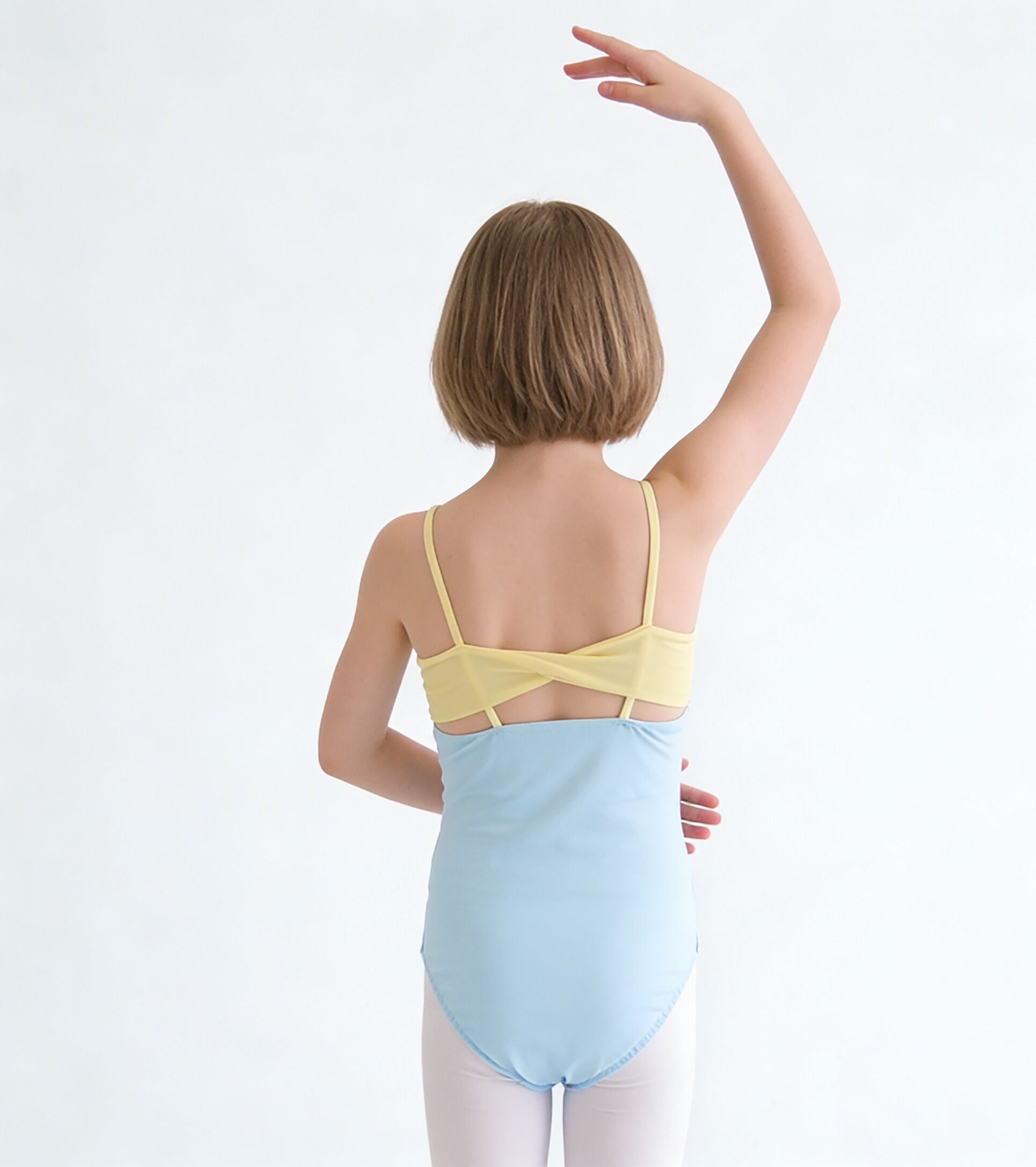
Removable mesh panels enhance the cooling properties of fashion garments by allowing adequate heat removal and ventilation of the garment at the core of the customer’s specific ergonomic needs. Located at the center spine and lower back and at the back of the knee areas of garments, these mesh panels provide an increase in airflow of as much as 70% while still providing adequate support at the specific areas of mesh placement. Surgical grade mesh, unlike the loose knits of garments, is able to provide structural support to the muscles and the mesh panels in garments. During an intense andhigh-impact rehearsal in dance, tactical mesh panels provide the dancer’s body adequate ventilation yet do not compromise the structural integrity and aesthetic of the dance wear. During intense and repeated sequences in dance, the dancer’s core temperature increases, thus tactical mesh panels in dance garments can aid in heating control and ventilation while still providing the structural and aesthetic integrity of the garment.
Breathable Design Features that Enhance Dance Wear
Breathable fabrics increase the comfort of summer dance wear while the structural design features in the garment enhance the functionality of the dance wear by providing optimal ventilation. Garments designed with thrown/wide cuts with the raw edges dispersed along the seams of the design provide comfort to the wearer. For garments designed to have a lower edge along the hem of the garment, the edges provide increased airflow through the design.
Gusseted Crotches, Flatlock Seams, and Open-Back Leotards
Breathability is vital in constructing performance dance wear, and it is improved in three areas:
Gusseted crotches reduce moisture and enhance breathability through the addition of diamond-shaped fabrics because they reduce the friction of fabric on skin.
Flatlock seams enhance breathability through careful construction of fabric points to be level and flush with the skin to create channels.
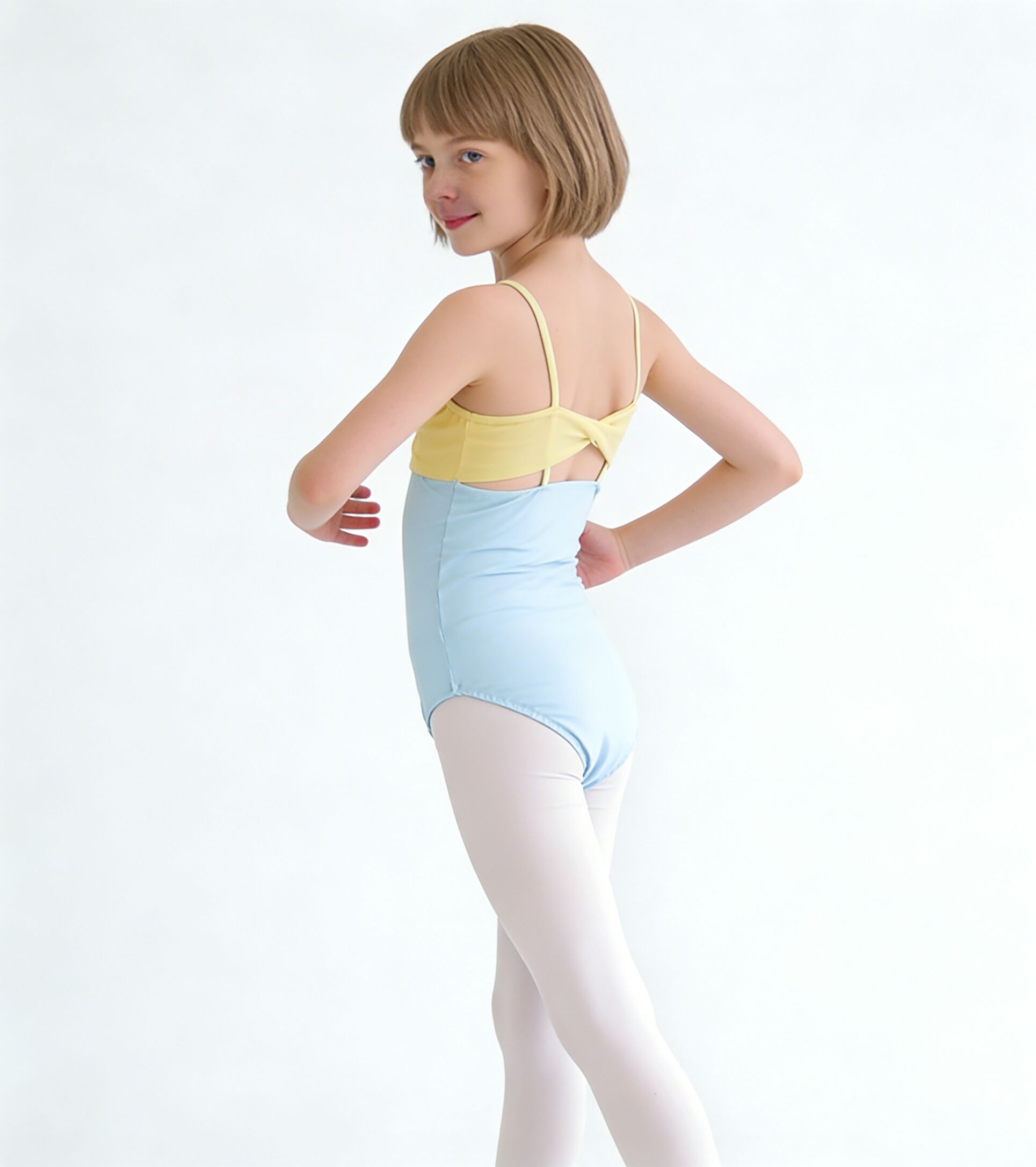
Open-back leotards expose the back, which is a location of primary intense moisture in leotards. This exposure allows moisture to evaporate, and subsequently, the garment becomes less saturated.
Training in temperatures over 85°F with performance dance wear containing these three elements dramatically increases moisture wicking ability and breathability through dynamic air flow established via construction.
A Practical Framework for Choosing Breathable Dance Wear
Factors to Consider: Climate-Adapted Testing, Fabric Weight, and Fit
Fabric weight, fit, and testing are three factors that will help select breathable dance wear for summer. The first is fit. Dance wear should be inviting and give dancers a complete range of motion. A fit that is too tight will restrict airflow. Loose fit dance wear will cause chaffing, which will be uncomfortable during spins. Second is the weight of the fabric. Fabric weight is measured in GSM (grams per square meter). The GSM should be under 180 for the fabric to be moisture wicking, which will help provide ventilation. Lastly is testing. Testing should be climate adapted.
To simulate studio conditions, wear fabric samples while doing pliés and leaps, and then observe sweat dispersion after doing movements for 20 minutes to see if humidity causes the fabric to reach a clingy and saggy state. Humid climates can cause fabric to sag, for this reason dynamite dance wear should be 15-20% spandex to maintain shape while still allowing forms to move through barriers. If seams cause restrictions on grand jetés or fabric nightly gathers, the dance wear is unsuitable.
FAQ
Why is dance wear breathable for Summer?
Breathable dance wear helps maintain temperature control, moisture management, help reduce skin abrasions, and will help enhance performance.
What are the best fabrics for breathable dance wear?
Breathable dance wear should be made from nylon and spandex and then the use of mesh panels and other technical fabrics are encouraged.
What design features improve breathability in dance wear?
Gusseted crotches, flatlock seams with open-back leotards help optimize ventilation and reduce heat build-up in dance wear.
What are some tips for selecting breathable dance wear?
Prioritize lightweight fabrics below 180 grams per square meter, keep an eye on ergonomics, and test clothing under real studio conditions before making a purchase.