
 EN
EN


Introduction
Ballet tutus are a ballet dancer’s most famous costume. Designer Willa Kim even calls the tutu “an invention that belongs to ballet”. It gives the dance its signature look and makes the dancer’s lines stand out. This guide will explain what tutus are, how and why they are made, and how to care for them. It is for dancers, teachers, studio directors, and costume buyers alike.
what is a ballet tutu
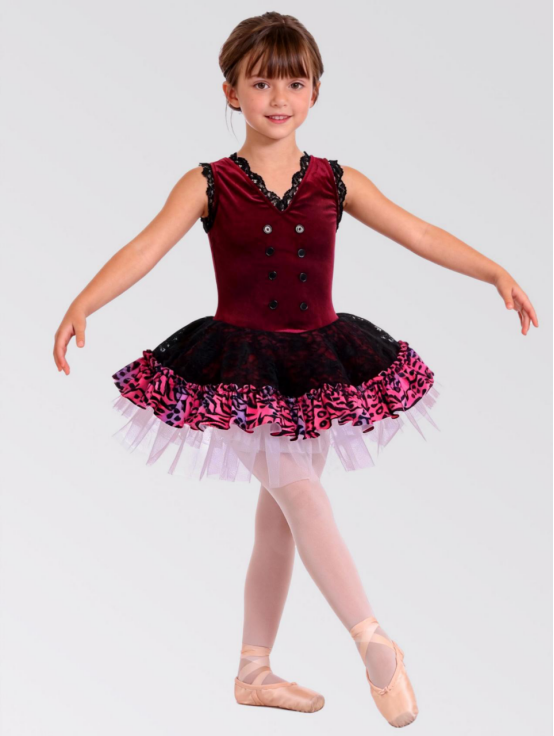
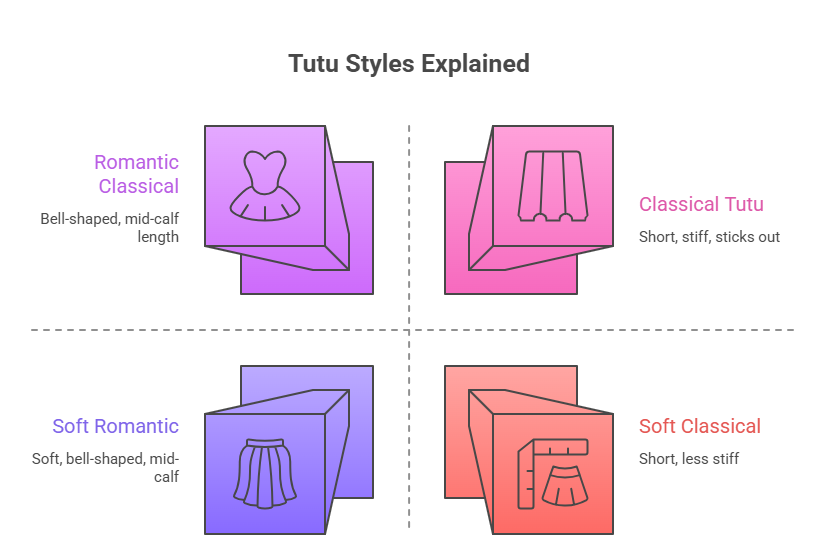
A ballet tutu is a special costume for ballet: a snug bodice (top) sewn to a short, fluffy skirt of net layers. The skirt is made of many thin layers of stiff tulle, making it look light and full. There are two main styles today: the Romantic tutu is soft and bell-shaped (almost reaching mid-calf), while the Classical tutu is very short and stiff, sticking straight out from the hips. Both styles highlight the dancer’s form and movements.
why do ballet dancers wear tutus
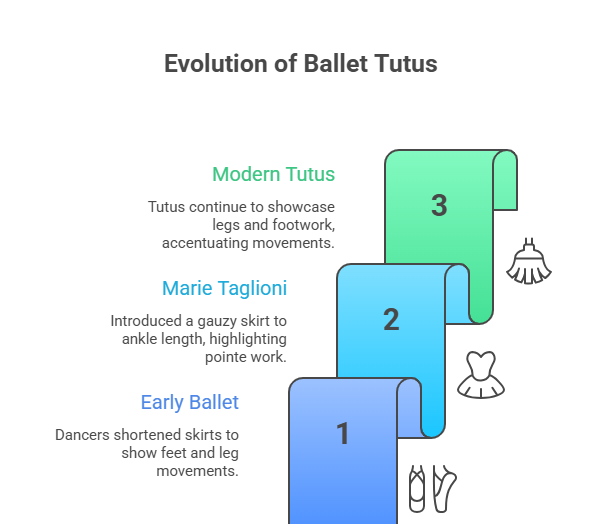
Early ballet dancers shortened their skirts so the audience could see their feet and leg movements. In 1832, Marie Taglioni shocked audiences by wearing a gauzy skirt just to her ankles, making her pointe work clearly visible. Today, tutus still serve this purpose: they show off a dancer’s legs and perfect footwork. Dance experts note that a tutu “accentuates a dancer’s movements” and creates a sense of weightlessness on stage. Another expert points out that a tutu “frames a dancer’s movements” and that nothing shows classical technique as clearly as the short, stiff tutu skirt. In short, dancers wear tutus so audiences can see every precise step and line.
what are ballet tutus made of
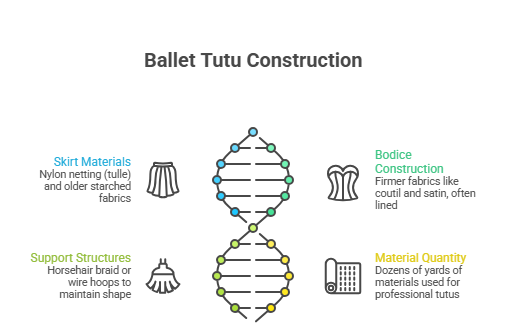
Modern tutus use very light but sturdy fabrics. The skirt is usually made of nylon netting called tulle. Older tutus were often layers of starched cotton or linen (tarlatan), but today nylon tulle is common because it holds shape and is lightweight. The bodice (upper part) is made of firmer fabric like coutil or satin, often lined to support the dancer’s body. Many classical tutus also have horsehair braid or a wire hoop sewn under the skirt to keep it flat and level. In all, a professional tutu may use dozens of yards of these materials to get its perfect shape.
how to make a ballet tutu
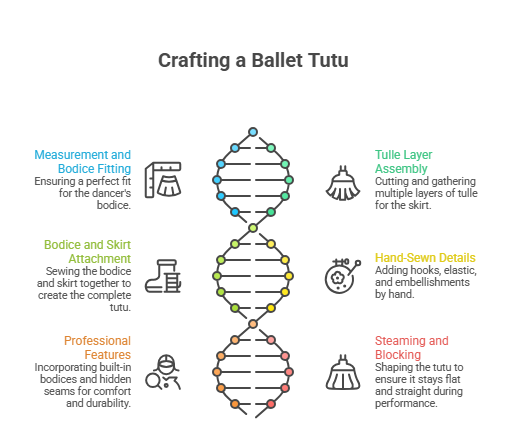
Making a ballet tutu is a labor of love. First, the dancer is measured and a bodice is cut to fit exactly. Then many layers of tulle are cut and assembled. Each layer is usually cut a bit larger than the one above it and gathered at the waistband. The layers are sewn together carefully so they sit evenly and do not sag. After the skirt layers are attached, the bodice is added on top. Many details (like hooks, elastic, and embellishments) are sewn by hand. In all, even a simple 5-layer tutu can take around 25–30 yards of fabric and about 60 hours of work to finish.
Professional tutu makers also add features like built-in bodices and hidden seams. All sewing is done to ensure comfort and durability. For example, each finish and stitch is inspected so the tutu can survive many shows. The finished tutu is often steamed and blocked into shape. It must be exactly balanced so it stays flat and straight during performance.
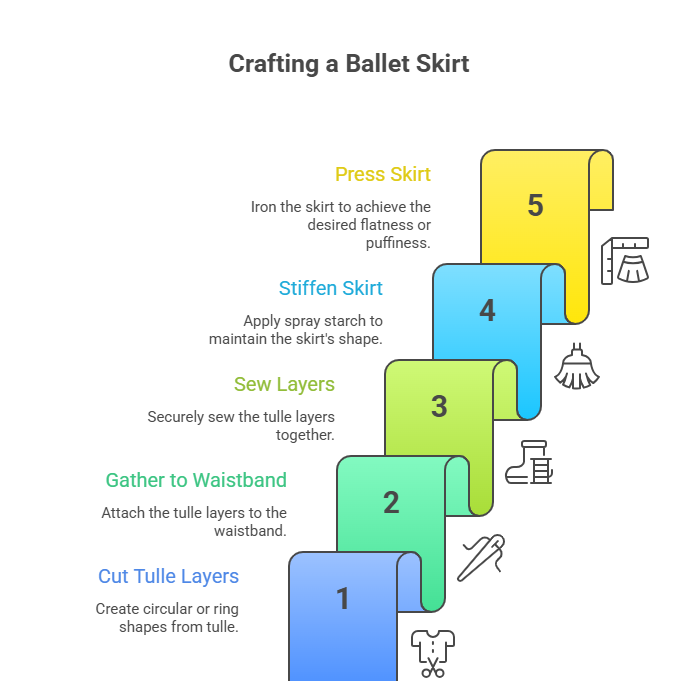
how to make ballet skirt
The skirt part of a tutu is made by stacking layers of tulle. Each layer is cut into a circle or ring, then gathered to the waistband. Often the bottom edge of the skirt is irregular (wavy) because multiple layers overlap. Sewers draw curved outlines for the skirt, not straight lines, to make it look soft. They then make the hem wavy to show layers. When all layers are sewn in place, the skirt is stiffened (for example with spray starch) so it holds its form. Finally, the skirt is pressed so it lies perfectly flat or puffy, depending on the style.
Tutu Care & Maintenance Guide
can you wash a tutu
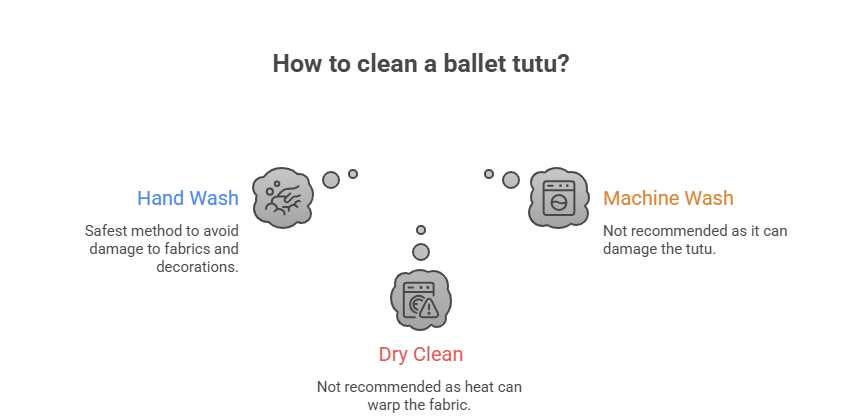
Ballet tutus should never go in a regular washing machine. The fabrics and decorations could be damaged. In fact, tutu experts say nylon nets and tulle “should never be dry cleaned,” because heat can warp the fabric. The safest cleaning is by hand. For example, soak the tutu in cold water with a little mild soap or gentle detergent. Gently swish it and let it soak a bit, then rinse well. For any spots or stains, use a damp cloth to dab them with cold water. After washing, let the tutu air dry—never put it in a dryer. Hang it to dry indoors. A classical tutu can be hung upside-down (so gravity pulls out wrinkles), while a long romantic tutu can be turned inside-out and hung by its loops.
how to steam a ballet tutu
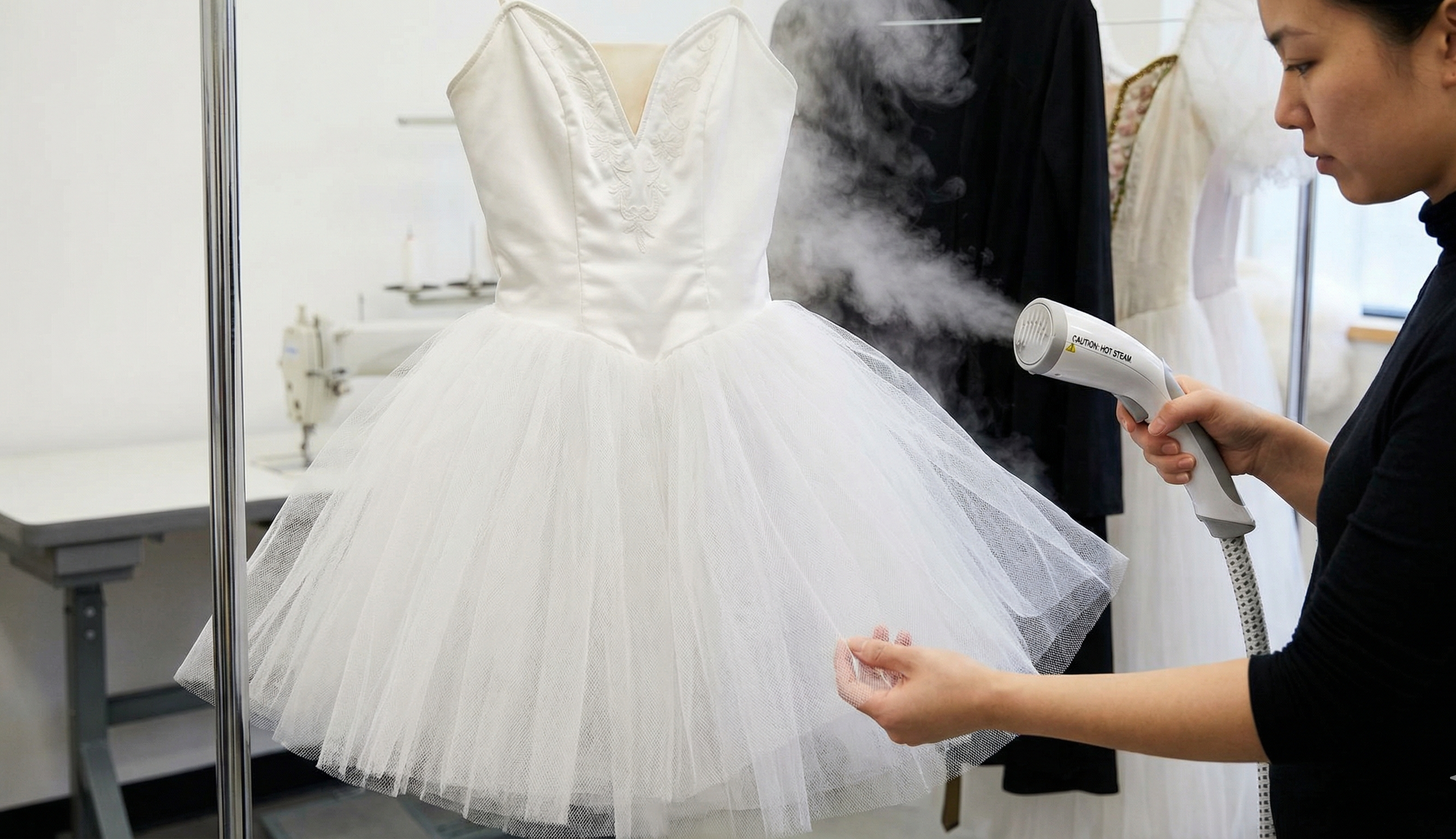
To remove wrinkles from the tulle, a gentle steam can help. You can hold the tutu a few inches away from a clothes steamer or steam iron. The steam will relax the fibers. However, do not let the hot iron touch the tulle fabric or it will melt. Instead, aim the steamer at a safe distance. After steaming, reshape the skirt by hand. Any light creases should fall out. If there are stubborn wrinkles, you can lightly press the skirt with a cool iron through a pressing cloth, but only do this if absolutely needed.
how to make a ballet tutu stiff
The flat, firm look of a tutu is often due to starch or other stiffeners. Over time a tutu can go limp; it needs restiffening. One way is to use spray starch or a commercial fabric stiffener. Lightly spray a fine mist on each layer of tulle and let it dry fully in place. (Make sure the tutu is supported so the skirt keeps its shape as it dries.) Tutu-care experts note that stiffness can be “re-applied” with starch or sizing whenever needed. In a pinch, dancers sometimes even spray a bit of hair spray on the layers. Another method is to add extra layers of stiffer net or insert a wire hoop under the skirt to give it body. Whatever method you use, allow the tutu to dry completely before wearing it again.
how to store ballet tutu
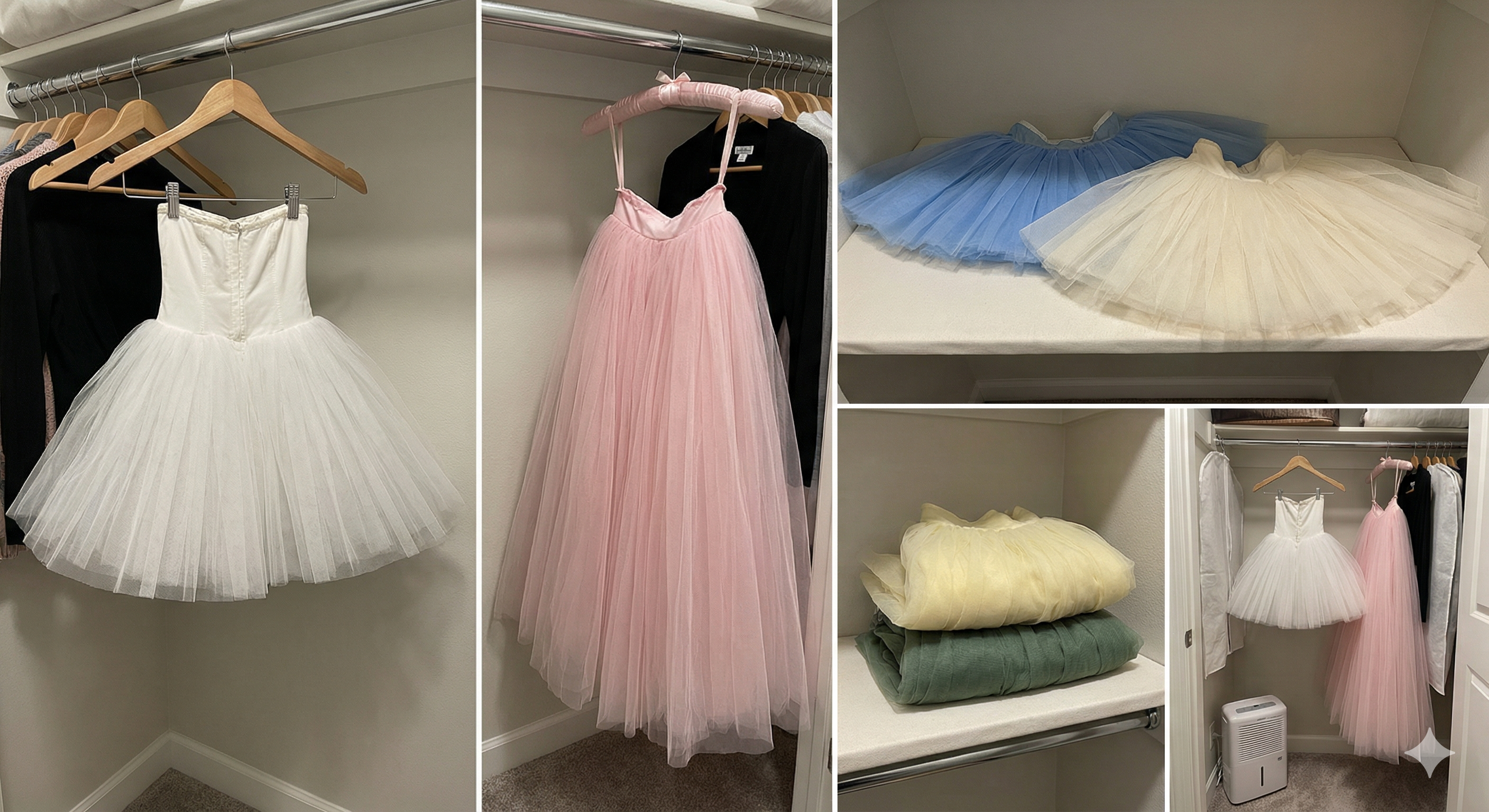
When not in use, store tutus so they keep their shape. A common method is to hang classical (short) tutus upside-down by the waistband or the sewn loops. This helps gravity pull the skirt straight and keeps it flat. Romantic (long) tutus can be hung from their loops or folded gently. Another method is to lay a tutu flat or stack them on a shelf so that nothing presses down on the skirt. Avoid stuffing a tutu into a small space, as that could crease the tulle. If you have many tutus, store the lightest ones on top. Always keep tutus in a cool, dry place away from dust. Proper storage (along with occasional light spray of starch) will help a tutu stay poofy and even for many years.
Buying Guide
how much are ballet tutus
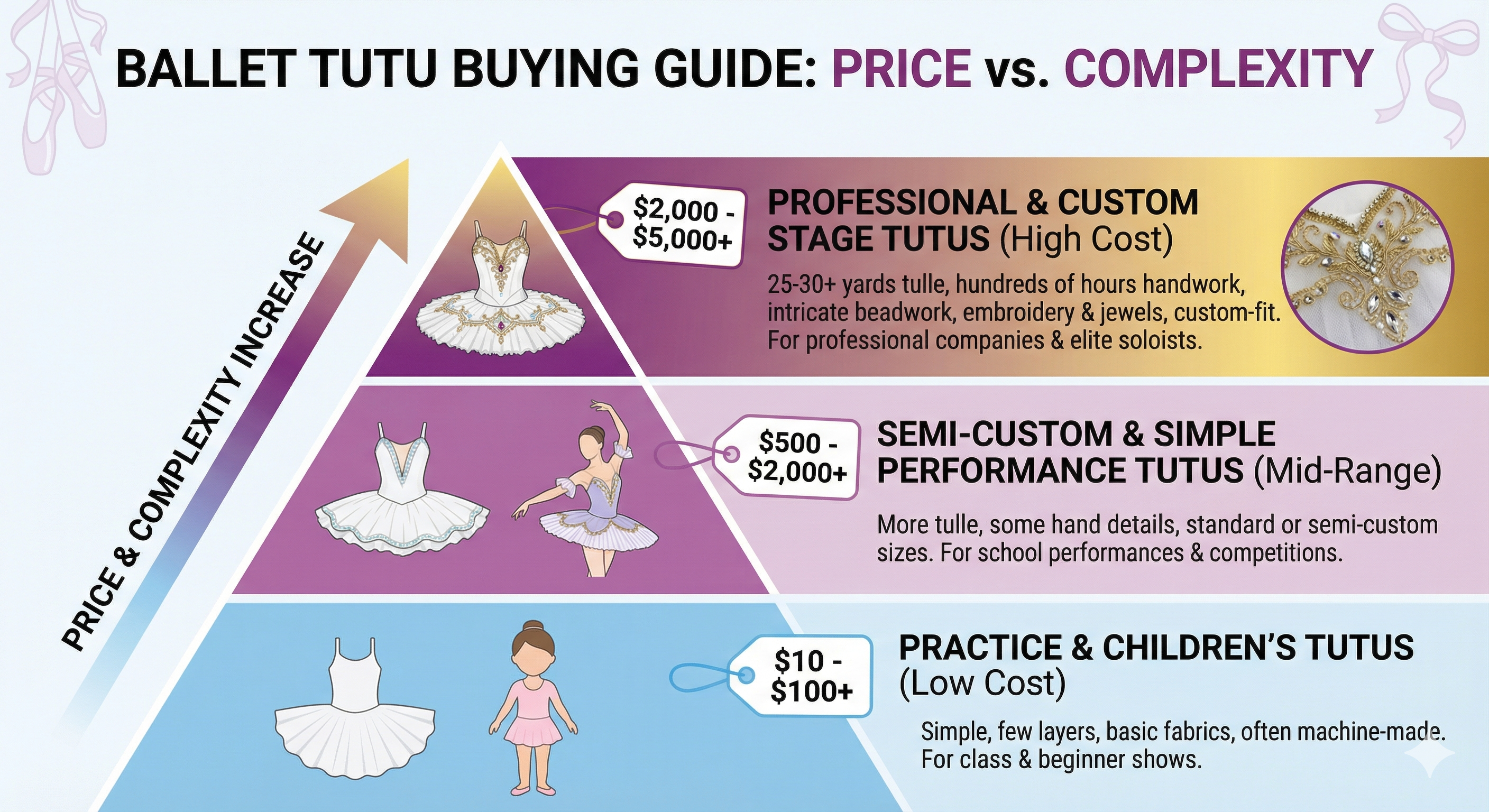
The cost of a tutu varies widely. Simple practice tutus (for class or beginner shows) can be relatively inexpensive, often under $100. These usually have few layers and basic fabrics. In contrast, full performance tutus are made by hand in custom sizes with fancy decorations. A fancy classical performance tutu can easily cost several thousand dollars. In one example, a beaded stage tutu was said to cost about $5,000, while a simpler custom tutu was about $1,500. Factors that drive price include: the amount of tulle (some use 25-30 yards), the hours of handwork, and any embroidery or jewels added. In general, practice costumes and children’s tutus are low cost; professional show tutus are high cost.
where to buy ballet tutus
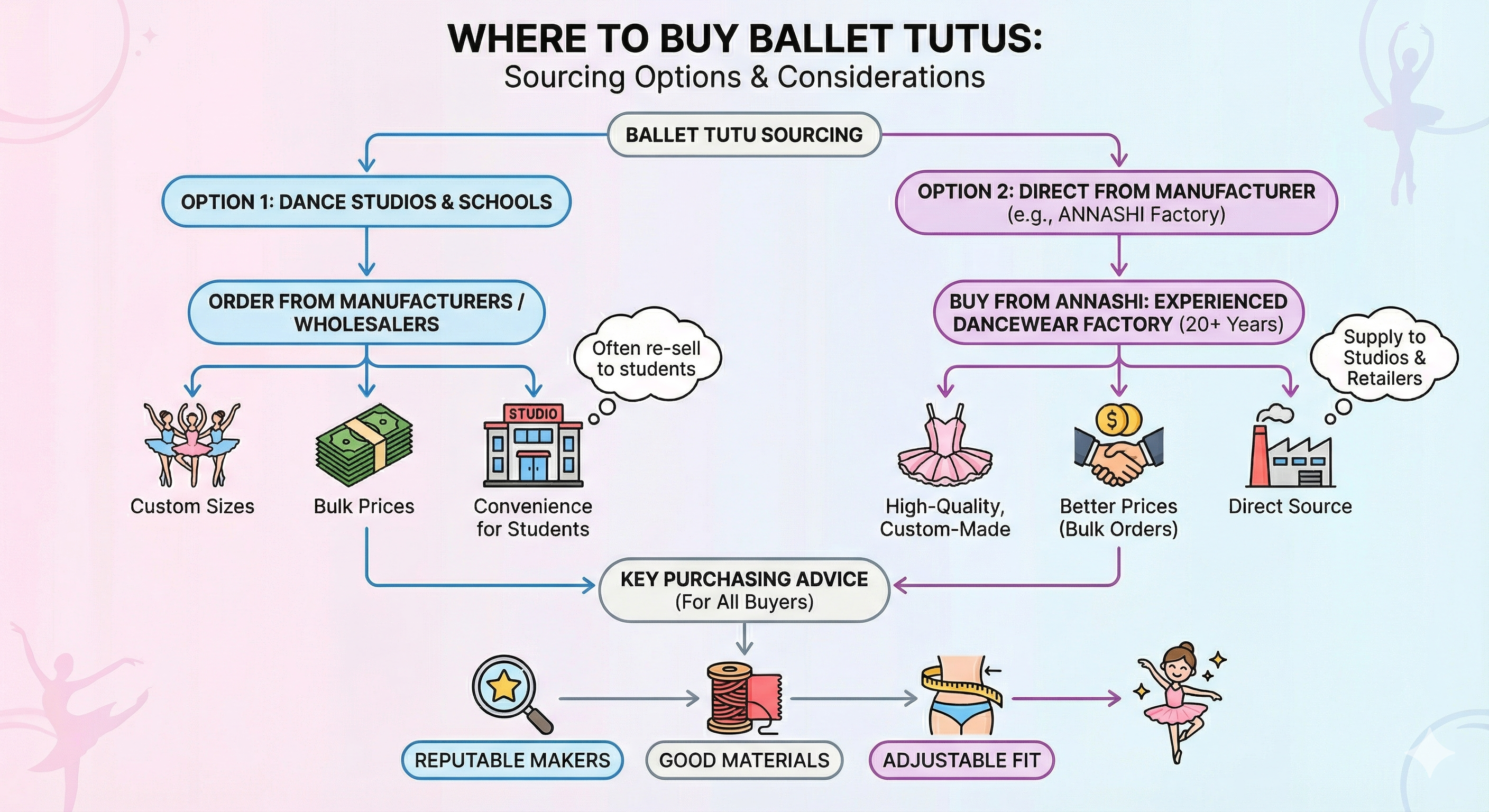
You can buy tutus from many places. Dance studios and schools often order directly from costume manufacturers or wholesalers to get custom sizes and prices.
As a dancewear factory with decades of experience (over 20 years), ANNASHI too supply high-quality, custom-made tutus directly to studios and retailers. Buying straight from the source often means you get better prices for bulk orders. Whichever way you choose, look for reputable makers who use good materials and who can adjust the fit to your needs.
Bonus Content for Ballet Lovers
how to draw a ballet tutu
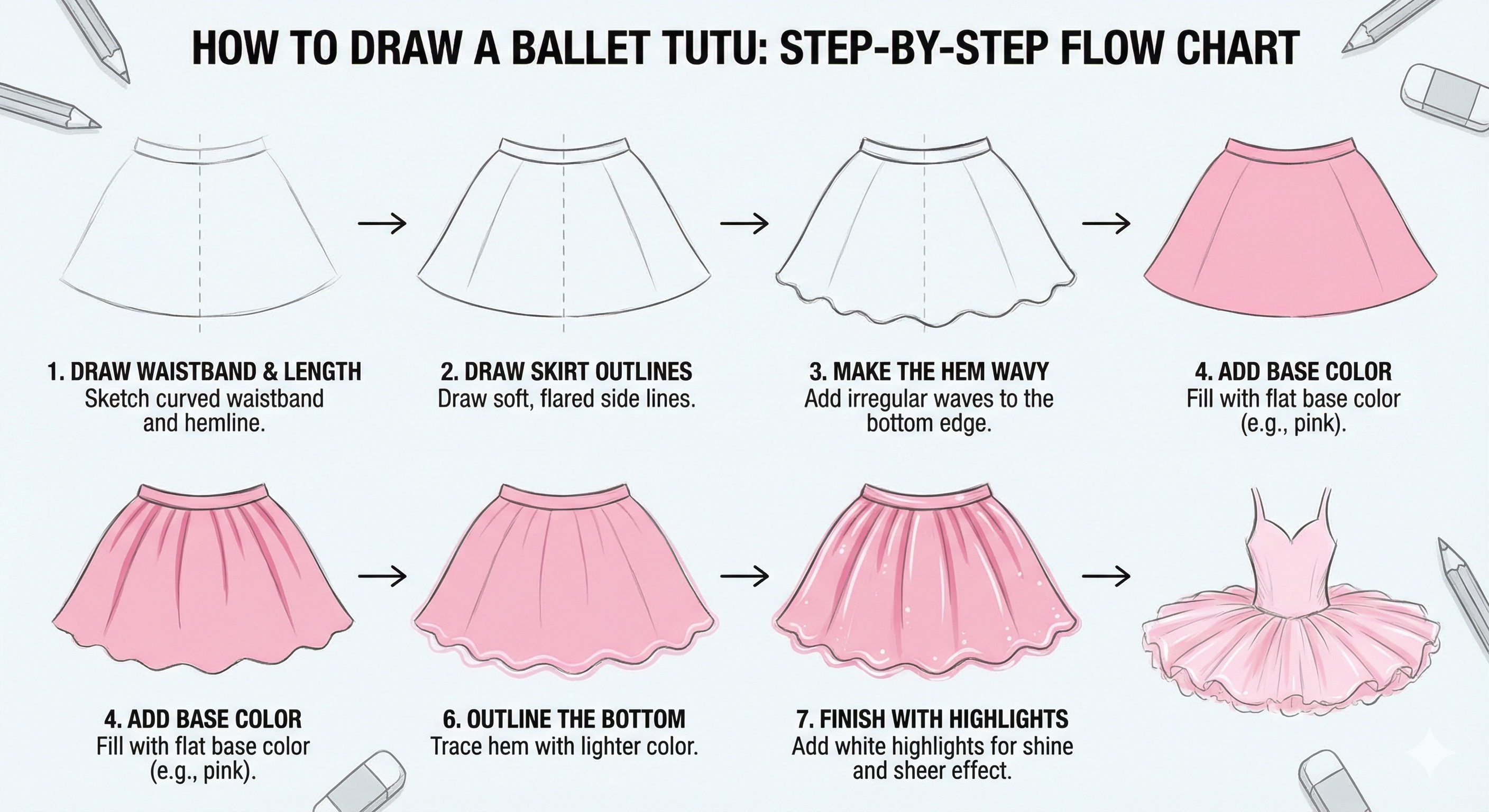
1. Draw the waistband and skirt length. Sketch a curved line for the waistband and mark how long the tutu’s skirt should be. The bottom hem will also be slightly curved.
2. Draw the skirt outlines. From the waist, draw the skirt sides flaring outward to the hem. Use gentle, curved lines (not straight) so the skirt looks soft and full.
3. Make the hem wavy. Add some irregular waves or ruffles to the bottom edge, since multiple layers make the hem uneven. Don’t make it too symmetrical – real tutus have wavy edges.
4. Add base color. Fill the skirt with a flat light color (for example pink or white), ignoring the details for now. This represents the overlapping layers of tulle.
5. Add shadows. Using a slightly darker shade, draw shadow lines starting at the waistband and going down. These lines should vary in length and fade out – they show the folds of the layers.
6. Outline the bottom. With a lighter color (or white), trace the bottom hemline. This gives an illusion of the sheer layers on top.
7. Finish with highlights. Finally, use a white pencil or gel pen to draw a few curved lines at the edges of folds. These highlights make the tutu look shiny and transparent in spots.
Following these steps will give you a simple fashion sketch of a tutu. You can also add a quick bodice or legs to show a dancer wearing it. Practice drawing the curves and layers lightly at first, then darken and color once you have the shape right.
how to get a better pointe for ballet
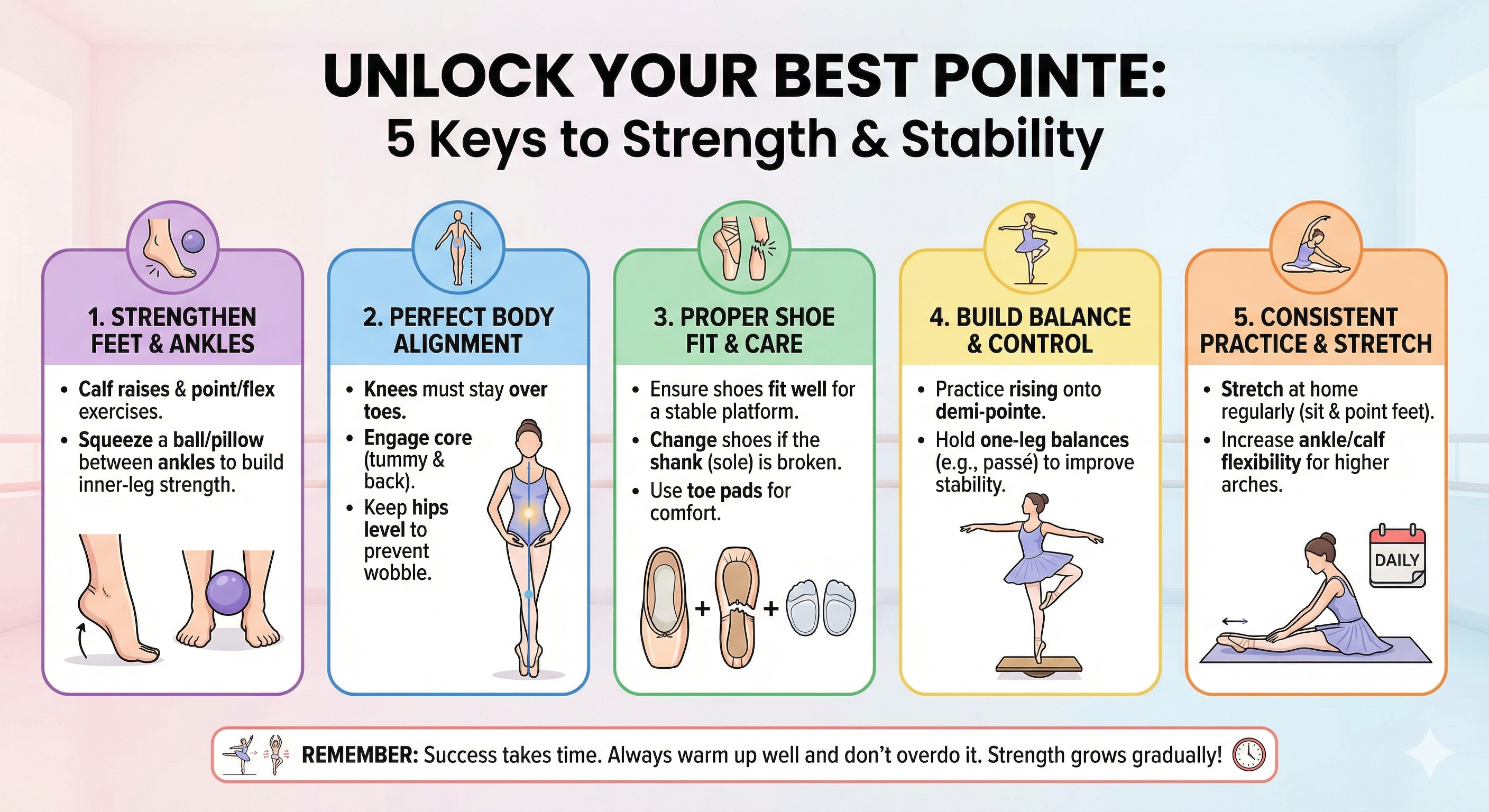
Here are a few quick tips for stronger, steadier pointe work:
-
Strengthen ankles and feet. Do exercises like calf raises and ankle squeezing. (For example, squeeze a small ball or pillow between your ankles to build inner-leg strength.) Also practice pointing and flexing your feet to train the muscles.
-
Align your body. Make sure your knees stay over your toes when you rise. Engage your core (tummy and back) so you balance better. Keep your hips level and don’t let your knees turn in. Good alignment prevents wobble.
-
Use proper shoes. Pointe shoes must fit well. Change them if the shank (sole) is broken. Use toe pads for comfort. Well-fitted shoes give you a stable platform.
-
Balance and control. Practice rising onto demi-pointe (half toe) and holding balances on one leg. This builds ankle stability. Even simple balance exercises (like holding a passé) help.
-
Consistent practice. Climb and stretch at home regularly (e.g. sit on the floor and point your feet). The stronger and more flexible your ankles and calves are, the higher and steadier you can point on pointe.
By combining foot-and-ankle exercises with good technique and strong muscles, most dancers see big improvement in their pointe. Remember to always warm up well and not overdo it; strength and balance grow gradually.
Conclusion
Ballet tutus are both beautiful and functional. They have a long history and are made with special fabrics and care. We hope this guide gave you a full view of tutus – what they are, why they are worn, how they are made, and how to keep them in top shape. For dancers and schools, choosing the right tutu is key to a great performance.