
 EN
EN


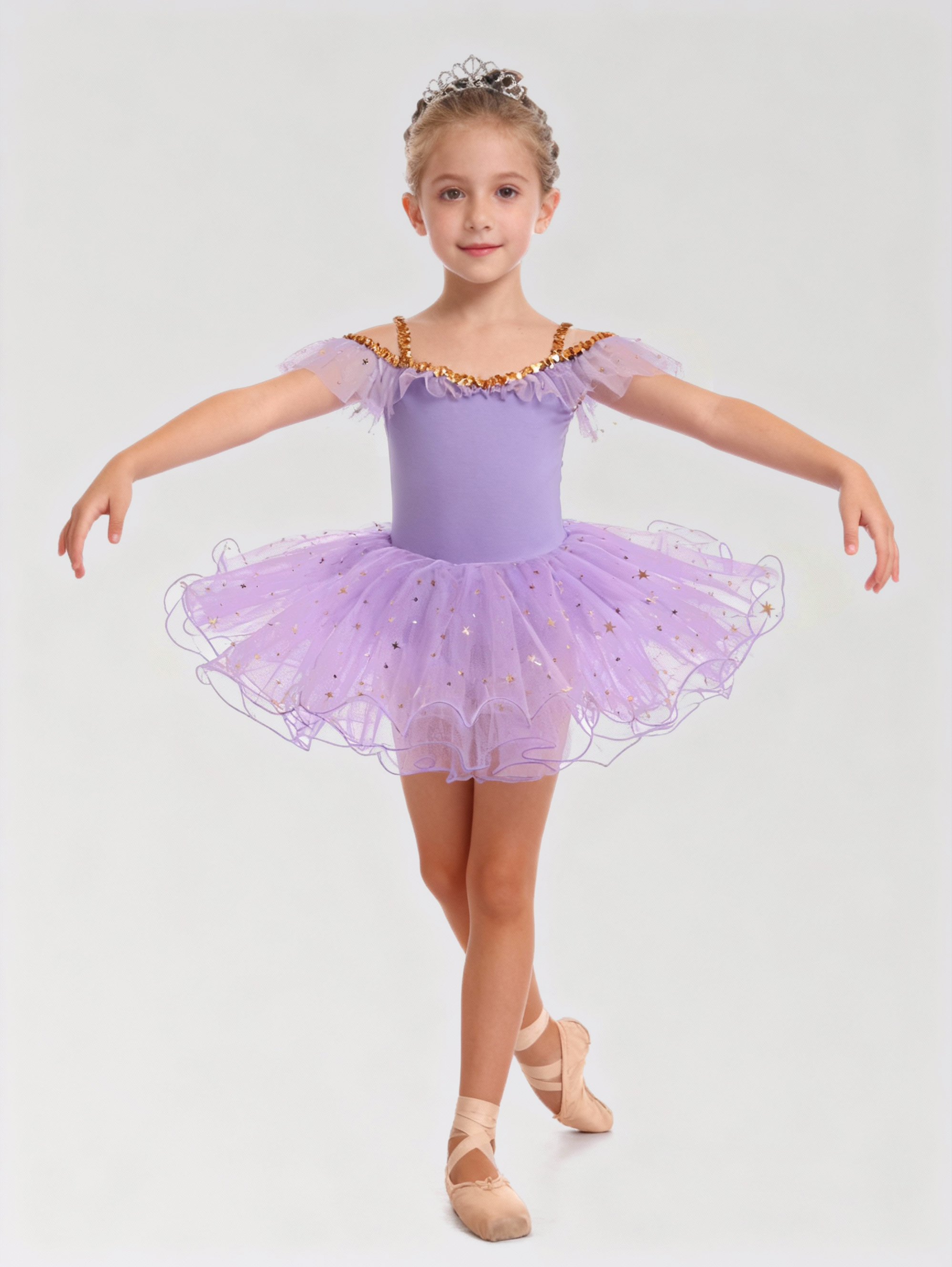
Imagine how a small skirt changed the entire art world. It transformed from a hidden layer of underwear into the star of the stage, symbolizing both elegance and power. This is the story of the ballet tutu. From the Romantic era of 1832 to today's modern pancake tutu, this evolution is more than just a change in fashion. It reflects technological progress, the demands of dancers, and cultural shifts. Are you curious why a seemingly simple tulle skirt can ignite so much passion? Read on as we unveil the history, craftsmanship, and impact of the tutu. Through this journey, you will discover that the tutu is not just a costume—it is the soul of ballet.
The Secret Behind the Name:what is a tutu
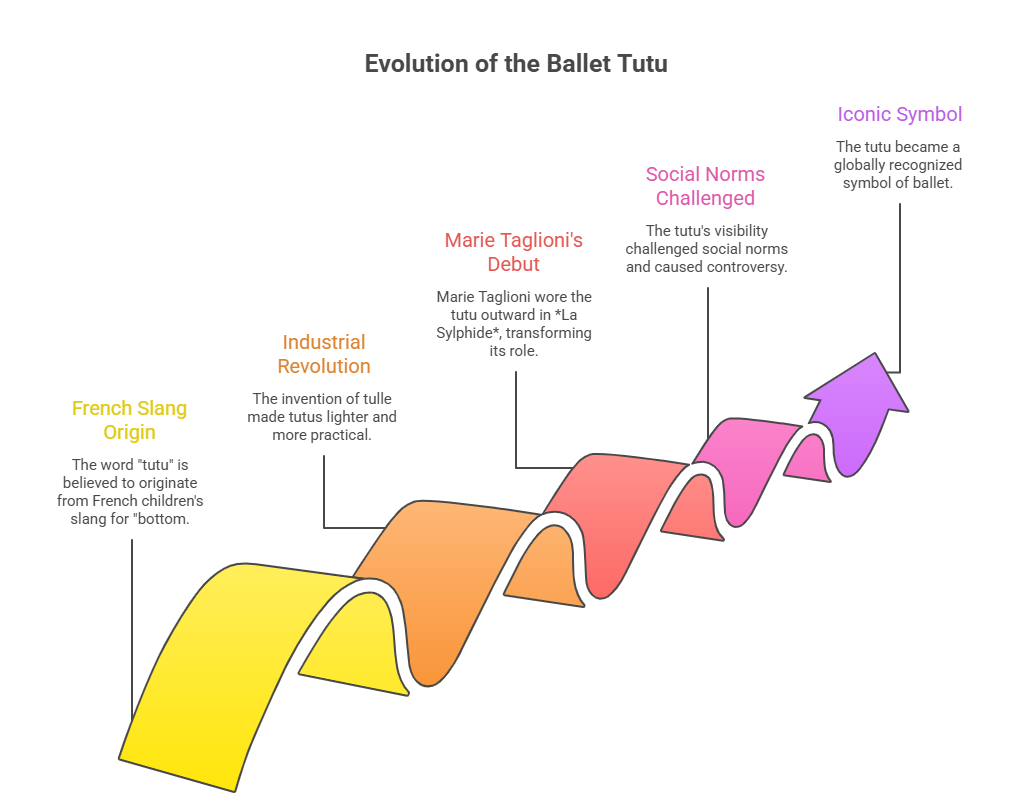
The name "tutu" hides a fascinating secret. While closely related to "tulle," its origin is much more down-to-earth. The word was first recorded in 1881. Many believe it comes from the French children's slang "tu-tu," meaning "bottom." Why? Because early tutu designs exposed the dancer’s lower body, and audiences watching from low angles could glimpse a "surprise" beneath the tulle. This caused quite a stir and controversy in 19th-century Paris.
But let's not forget tulle itself—a fine mesh-like fabric invented during the Industrial Revolution. Originally handmade and now machine-produced, it made the tutu lighter than ever. Another theory suggests that "tutu" stems from a reduplication of the word "tulle" (tu-tu), as the skirt consists of many layers. Interestingly, the tutu was not originally meant to be worn as an outer garment; it was a piece of underwear hidden under long skirts. However, in 1832, Marie Taglioni daringly wore it outward in La Sylphide, transforming its destiny from a functional layer into a work of art.
This evolution is full of anecdotes. Male patrons (abonnés) at the Paris Opera would tease with the phrase "pan-pan cucul" (meaning "pat-pat the bottom"). The tutu's jump from underwear to an iconic symbol shows how ballet challenges social norms. From a slang word to a global icon, it reminds us that the charm of ballet lies in the details.
The Romantic Tutu: Marie Taglioni's Revolutionary Design in La Sylphide
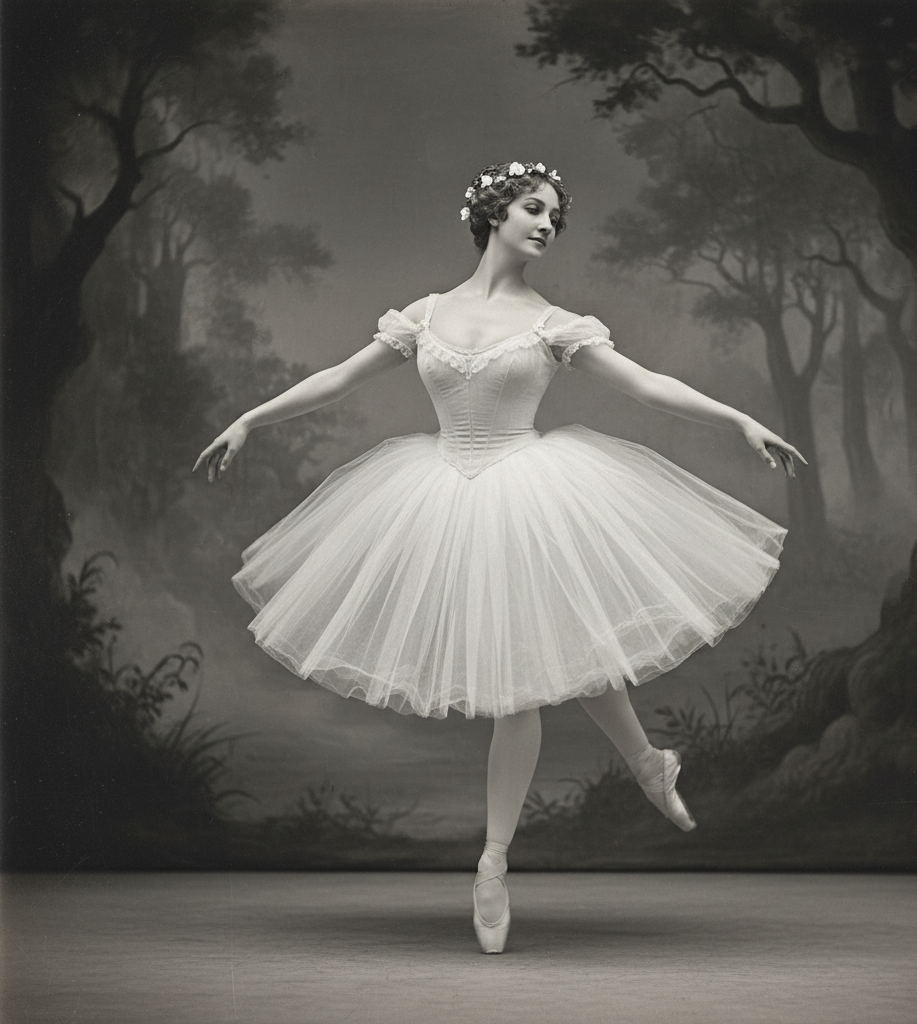
In 1832, Marie Taglioni’s performance in La Sylphide ignited the era of Romantic ballet. She wore a fitted white bodice and a bell-shaped skirt made of multiple layers of sheer fabric, marking the birth of the tutu. Designed by her father, Filippo Taglioni, the costume made her appear like a forest spirit—ethereal and light.
Materials were key. At the time, tarlatan (a stiff cotton gauze) or muslin was used. These fabrics were often reinforced with corn or wheat starch to form the bell shape. Why pursue this "mist-like" visual effect? Because Romantic ballet tells stories of spirits and dreams. The sheer skirt made the dancer look as if she were floating, enhancing the mystery while showcasing the new invention of pointe shoes.
However, this was not without risk. The light fabric was highly flammable, and many dancers lost their lives to stage lights. Despite fireproofing treatments, many dancers refused them because they made the skirts too stiff. Taglioni's tutu reached mid-calf, exposing the shoulders and neck—a bold move for the time that solved the problem of long skirts restricting movement.
From 13 Layers to the "Frisbee" Evolution
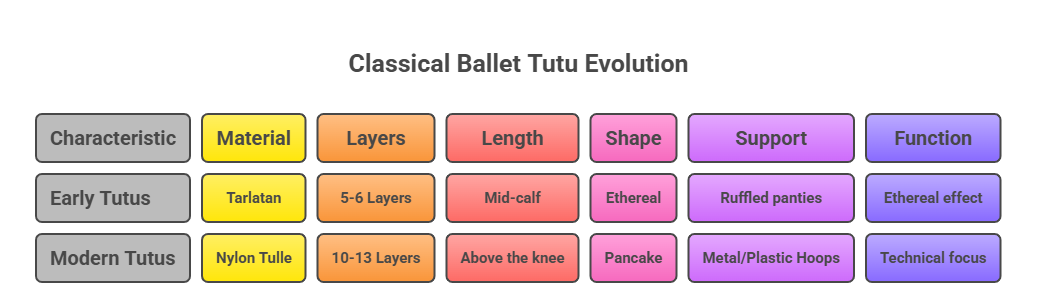
A classical ballet tutu typically requires 13 layers of stiff tulle to provide the necessary rigidity and support, allowing the skirt to extend horizontally by 12 to 18 inches. This shift from long skirts to the short, stiff "pancake" began in the late 19th century. As dancers like the Italian ballerinas pursued more complex footwork, they needed to showcase their entire legs. Consequently, the tutu was shortened to above the knee, with ruffled panties added for modesty.
The craftsmanship has evolved significantly. Early tutus used tarlatan; today, we use nylon tulle, which is more durable. Each layer is precisely cut, pleated, and sometimes reinforced with metal or plastic hoops to maintain a flat shape. It is a feat of engineering: layer upon layer sewn together to ensure perfect symmetry.
Why must modern productions like The Nutcracker or Swan Lake use the pancake style? Because it doesn't obstruct the lines of the legs during rapid rotations. In fast turns or jumps, a long skirt would drag, but the pancake allows the audience to clearly see precise footwork and leg extensions, pushing ballet toward a more technical focus.
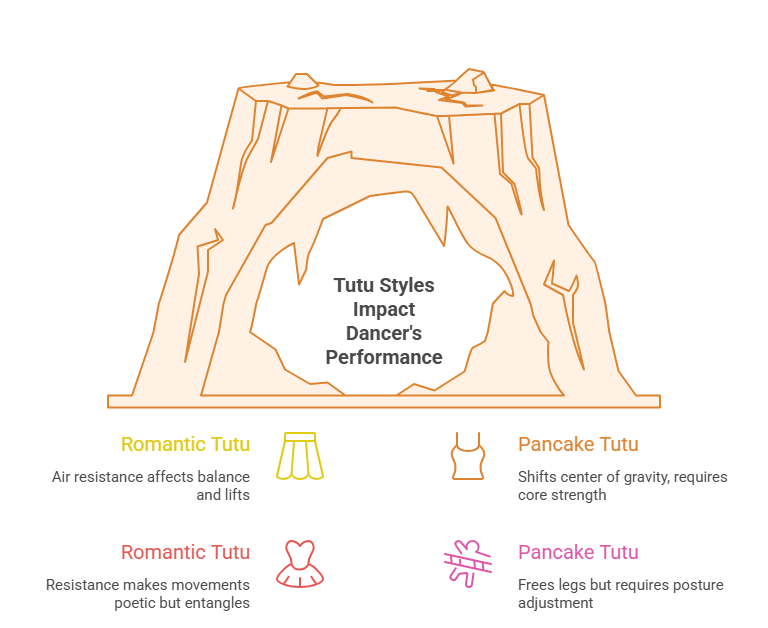
The Physics of Dance: How Tutu Styles Affect Movement and Technique
"The tutu shapes both the body and attitude, enhancing confidence like a suit of armor." — Julie Diana
-
The Romantic Tutu: Its volume creates air resistance, helping the dancer achieve a "weightless" look, though it adds a significant challenge to balance and partner lifts.
-
The Classical Pancake: By shifting the center of gravity to the hips, this style requires immense core strength. While it offers total leg freedom, it demands perfect posture to prevent tilting during rapid turns.
Balancing Art and Money
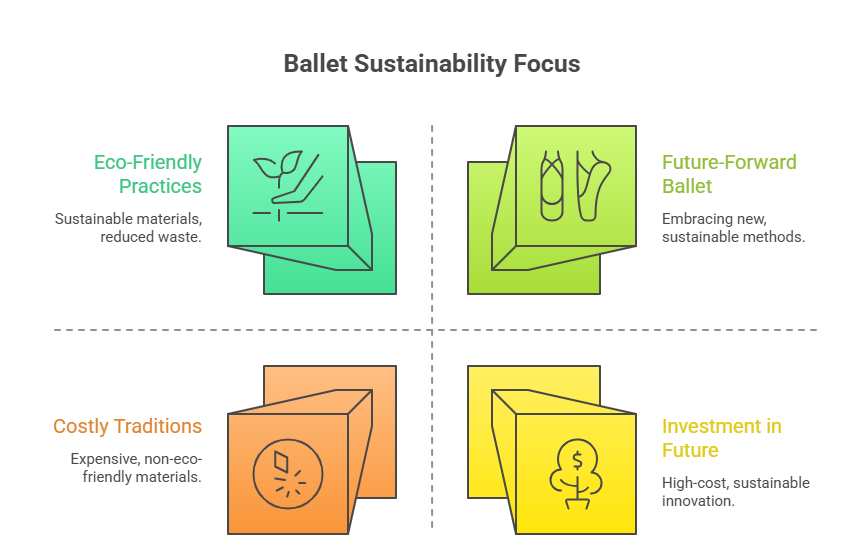
A modern pancake tutu is valued at approximately £1,500 because it requires 50 to 100 hours of manual labor. Each layer of tulle must be precisely pleated and aligned to ensure the skirt remains balanced during turns. Artisans sew these by hand, adding embellishments like beads and embroidery. This is not just sewing; it is an art form that pushes the boundaries of craftsmanship.
This £1,500 pays for more than just expensive nylon or Swarovski crystals; it pays for "100 hours of a craftsman's heartbeat." While the Industrial Revolution lowered material costs, the handmade elements of bespoke tutus maintain their unique value.
Green Ballet — Sustainability and the Future
In today's environmentally conscious world, many manufacturers are beginning to use recycled tulle to reduce industrial waste. This reflects the forward-thinking social responsibility within the art of ballet. As dancers or enthusiasts, choosing workshops that support eco-friendly materials helps ensure this elegant art form remains sustainable.
FAQ & Pro Tips
-
What is the historical origin of the tutu? It began in 1832 with Marie Taglioni, evolving from hidden underwear to an iconic outer garment.
-
How do I care for a tutu? Spot clean by hand with cold water and never use a dryer. Store it hanging or upside down to maintain the shape of the layers.
-
[Pro Tip] Are more layers better when buying a competition tutu? Not necessarily. The key is the support of the tulle. Cheap fabric will sag even with 15 layers. Always ensure it has professional hooping for that "frisbee" look.
-
What is the difference between Romantic and Classical tutus? Romantic tutus are long and flowing, focusing on mood; Classical tutus are short and stiff, focusing on technique and lines.
The journey of the tutu from "mist" to "frisbee" showcases the innovative spirit of ballet. It is more than just a skirt; it is a fusion of history, fine craftsmanship, and artistic passion.
As a professional manufacturer with years of expertise in theatrical costume production, we understand that a high-quality tutu is the dancer's most trusted partner on stage. We combine traditional hand-pleating techniques with modern durable materials to ensure every tutu we produce meets the rigorous standards of professional performance.
Your Next Step to the Stage:
-
Explore Our Collection: Ready to find the perfect tutu for your next performance? [Click here to browse our latest professional tutu designs].
-
Custom Design Inquiries: Need a bespoke tutu tailored to a specific ballet role or competition? We specialize in custom orders for individuals and dance schools.
-
Request a Quote: For bulk orders or professional consultations, [Contact our team today] to discuss your requirements and receive a detailed quotation.
Let us help you bring the magic of ballet to life with craftsmanship you can trust.
Table of Contents
- The Secret Behind the Name:what is a tutu
- The Romantic Tutu: Marie Taglioni's Revolutionary Design in La Sylphide
- From 13 Layers to the "Frisbee" Evolution
- The Physics of Dance: How Tutu Styles Affect Movement and Technique
- Balancing Art and Money
- Green Ballet — Sustainability and the Future
- FAQ & Pro Tips