
 EN
EN


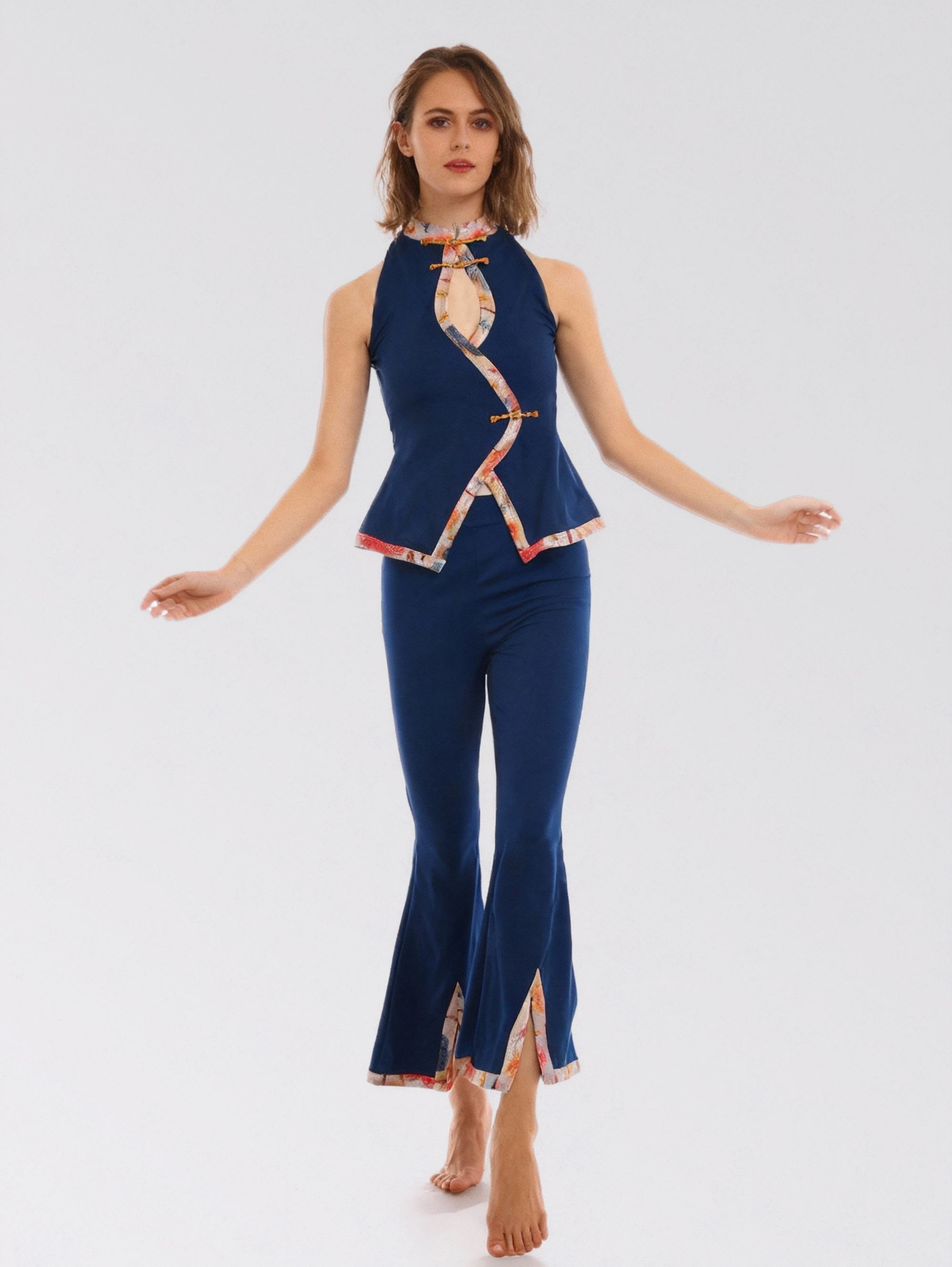
Jazz costumes find the most charming styles of the past and marry them with modern styles, functions and textiles.
Re-engineering vintage looks from the 40s with modern textiles.
Swing dancers need costumes that move with the dancer, and don't chafe against them. Eternal styles of the 1940s in costumes like trousers and gowns that fall and sculpted waistlines, are now accompanied with high performance textiles. Moisture wicking linings and bidirectional stretch materials allow costumes to keep vintage looks while preventing wardrobe malfunctions from the high energy of the performance. Four-dimensional weaves also keep ventilation optimal at key motion points, with almost a full 40% reduction in overheating from traditional fabrics, according to the 2023 study from the Textile Performance Institute. All this combines to create vintage looks ready for the stage and high energy performance.
Bebop Edge: Modern urban look meets clean tailoring and jazz rebellion.
Jazz leaned away from structure and rules, and that fell into Bebop. Bebop styles included sharp, clean and precise looks from jazz's move to complexity and detail. Designs include sharp deconstructed lapels, and precise tapered trousers. Finishings always include consideration for performance, like chafe free seams from long wear. Fabrics keep their smart and crisp look for full performances with materials that resist wrinkling three times the average. This style combines jazz's rebellious spirit with the needs modern performance.
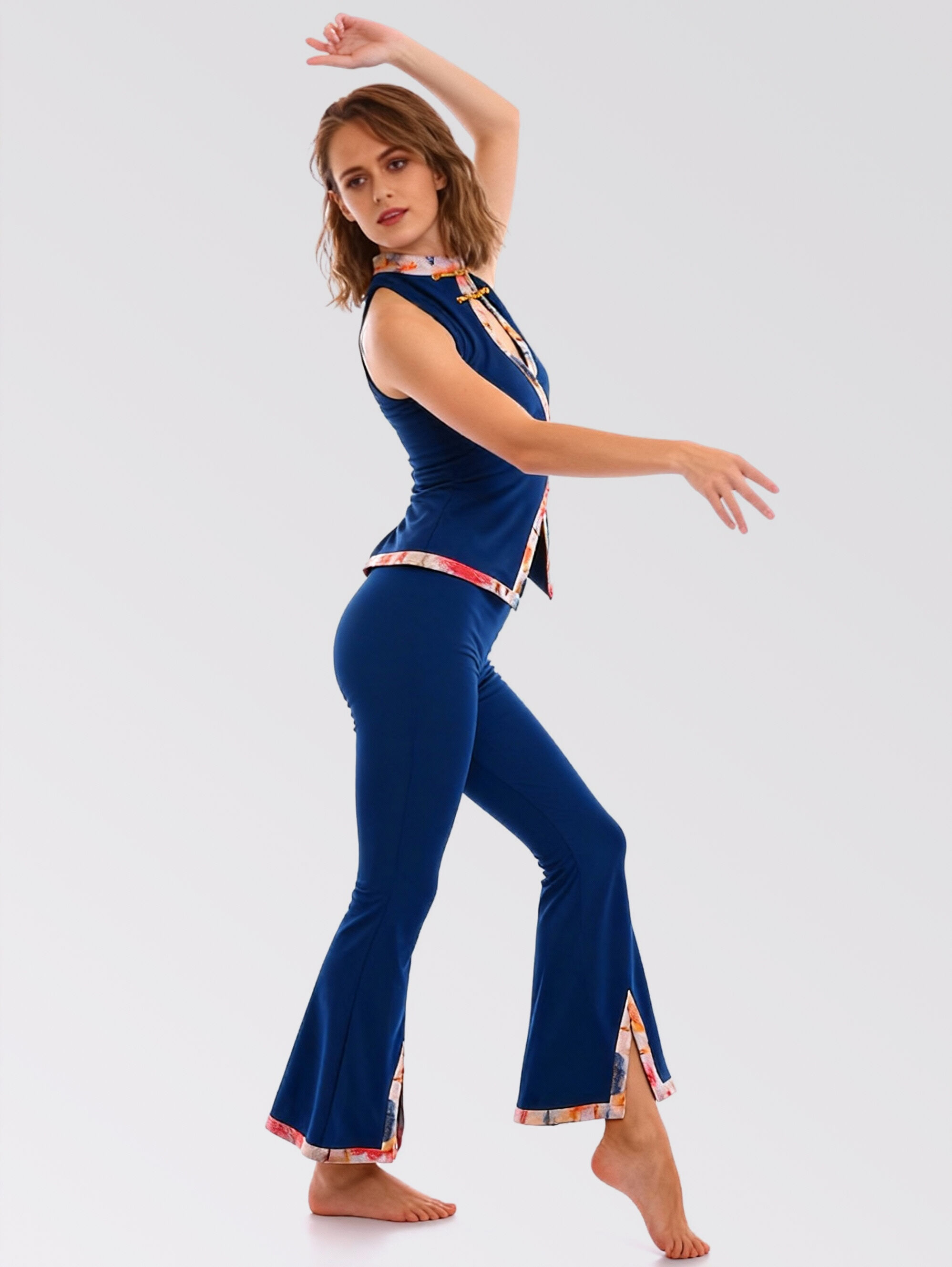
Dancewear for Movement-Focused Jazz Costuming
Jazz performance costumes have advanced to prioritizing by designing with newer technologies that promote the freedom of movement and the creativity of a performer while sacrificing the flashy qualities of a costume. These specialized designs treat dancewear like a performance partner by facilitating a dancer's ability to perform intricate body isolations, quick directional changes, and explosive energy transfers that define the style of jazz.
Biomechanically Designed Seams and 4D-Weave Stretch Mesh
Most costume seams are laid out in a way that is counterintuitive for the movements that will be performed in them, and have the potential to be a source of irritation during movements. Innovative jazz costumes now have the use of strategically laid out seams that are biomechanically designed for the direction of the movement and the contours of the body, to avoid the use of friction in the construction of the garment, giving it a more tailored feel. When used in conjunction with 4D-weave stretch mesh, a second skin is created. The mesh material is cut to have a fiber ability to stretch in every direction by more than 380%. This is crucial for quick and deep movements. The mesh is also designed to be breathable and withstand a wide range of activities, including dance, and is validated through dance studies at the University of Illinois’ Carmi Lab to help control the temperature of the athlete's core.
Dance Costuming and Jazz Performance in Contemporary Settings
Costumes also are designed with the ability to interact with the movements of the dancer. For example, photoluminescent and thermochromic pigments produce changes in color and brightness in response to the movements of the dancer. This means a dancer's quick turn may result in a green color shift on a sleeve while a longer movement may increase the amount of red color change in a bodice. These pigments have a certain degree of sensitivity, so the change is instrumented to a certain degree so that the dancer's movement is matched to the prompt in a cue so that it becomes a communication piece during a performance. The energy source for these costumes is contained in the movement of the dancer, so the costumes are energy sustainable. This style of costume creates a new level of expectation for what jazz performance costumes are able to do.
The Fusion of Stagecraft and Culture in Jazz Costume Design
Costume jazz design draws from cultural interactions and the narrators of jazz explained garments as fabric story extensions. Movement-emphasized design jazz costume enables the designer to tell the story of jazz while referring to the cultural motifs of the west African adinkra, art deco, and jazz renaissance textiles. Knowing garments jazz tell improvisation stories and accommodate many movements jazz choreography. Jazz dresses tell stories with fabrics that house history and liberate them. With the evolution of jazz, the garments shift with societal evolution. Jazz costume design creates boundary-breaking fabrics with textiles that have a history of jazz and rigid, free movements. Jazz dresses tell stories with history.
Frequently Asked Questions
Q: Jazz costume design is contemporary; why do jazz dresses have traditional fabrics?
A: Jazz dresses exude traditional materials that are contemporary with innovative designs incorporating modern materials like moisture-wicking linings, and bidirectional fabrics foster comfort, longevity, and improved performance, particularly in heavy, high-energy design performances.
Q: What are the evident historical qualities in jazz costume design?
A: Design jazz costume draws from the swing era definition where jazz costume design is liberal with wide-leg pant and bias cut gowns. Minimal design is also an epitome of the bebop era.
Q: What do biomechanical cuts elicit?
A: Despite engineered structure, biomechanical cuts elicit ease of movement with ample cuts that respond and follow the cross-patch flow of a muscle and articulation of the joints.
Q: What is motion-activated chromatic textile technology?
A: Motion-activated chromatic textiles use thermochromic and photoluminescent pigments which change color or luminosity in real time, and thus change dynamically with the movements of performers and the stage lighting.
Q: How do jazz costumes reflect cultural influences?
A: Jazz costumes use cultural artifacts such as West African adinkra patterns, Art Deco of Western Europe, and textiles of the Harlem Renaissance, etc., to pay tribute to the legacy and enrich the story on stage.