
 EN

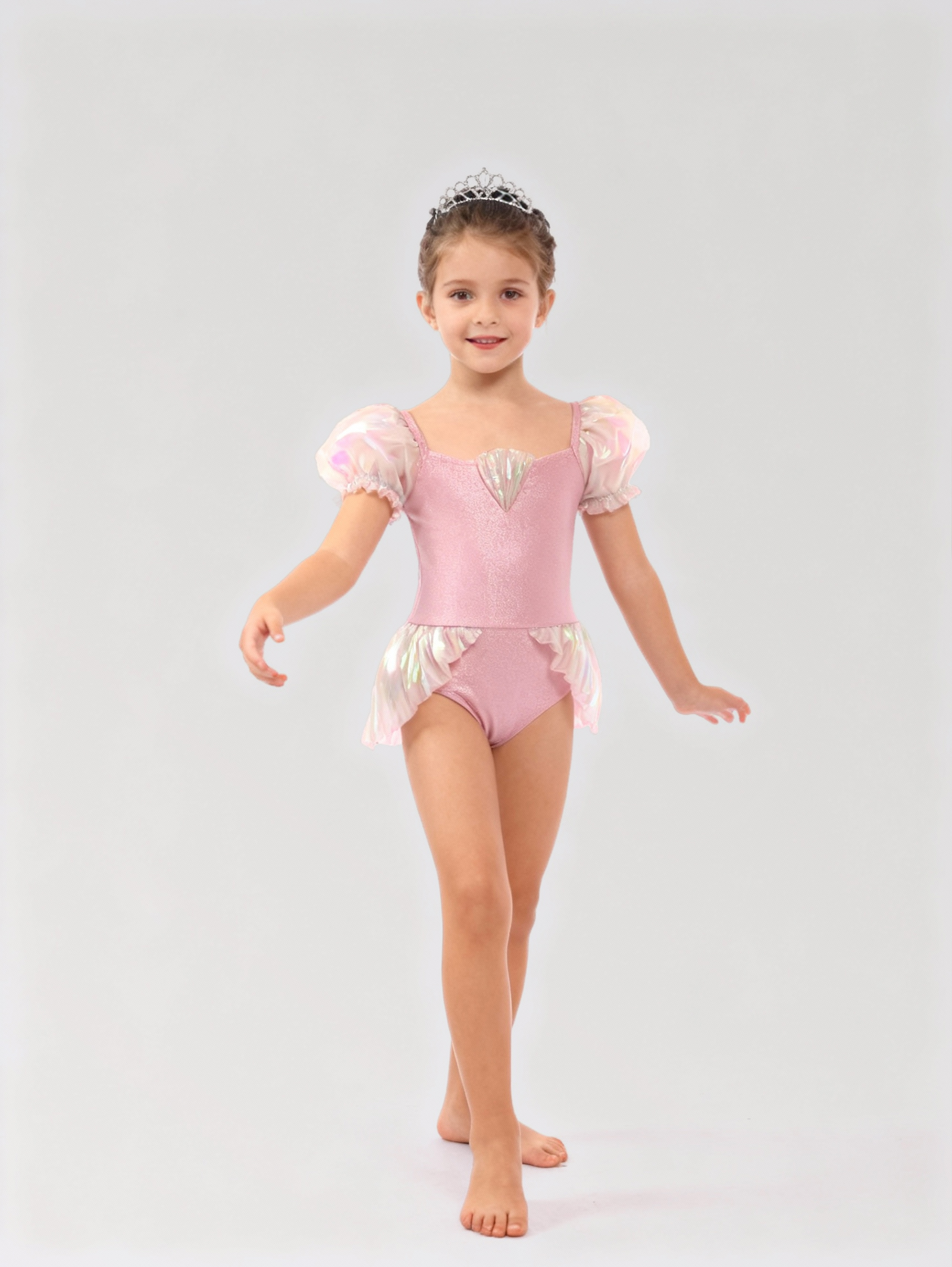
Children's costume sizing is where off-the-rack purchasing fails most often. A six-year-old competitive dancer and a six-year-old recreational student can differ by a full size in proportion while matching in age, and stock sizing built on age averages fits neither well. Custom costumes for kids in small sizes solve this through measurement: each dancer is measured against the specific garment chart, and the costume is cut to those measurements rather than to a size label. The process carries obligations that adult custom work does not, since children's garments fall under specific safety rules about cords, substances, and flammability, and since growth during the season changes the fit the garment was built for.
Real-World Industry Case / Scenario
A Studio Fitting Young Competitors
A competition studio preparing a group of young dancers for its first season ordered stock costumes in the sizes that matched each dancer's age. Fittings revealed the problem: two dancers in the same nominal size needed different adjustments, one in torso length and one in sleeve and skirt length, and a third dancer fell between sizes entirely. Alterations were possible but limited, since the stock construction left no seam allowance in the areas that mattered. The studio's director decided to order custom costumes for kids in small sizes for the following season and began with measurement training for the staff who would take it.
The custom process started with a documented measurement protocol: each dancer measured by two staff members, measurements recorded on a per-dancer sheet with the date, and a growth allowance agreed with parents based on the competition calendar. The first order of costumes for kids arrived with only minor adjustments, and two errors were caught before cutting because the measurement sheets had been cross-checked. The studio also requested compliance documentation for the costumes for kids, which it had never received from stock suppliers, and that documentation became part of its competition file. The season closed without a single mid-competition fit failure.
Risk & Failure Mode Analysis
Drawstrings, Cords, and Small Parts
Costumes for kids carry safety obligations that adult costumes do not. EN 14682 restricts cords and drawstrings in children's clothing, with particular attention to the head and neck area where strangulation risk exists, so decorative ties, sashes, and hood details must be constructed or positioned to comply. Small components, including buttons, appliques, and fasteners, must be secured against detachment, since young dancers both grab and mouth costume details. Aesthetic details that look charming on a hanger can fail these requirements, which is why compliance review belongs in the design approval for costumes for kids rather than in a final check.
Flammability requirements apply to children's wearing apparel, with standards such as 16 CFR 1610 in the United States establishing burn behavior classes for clothing textiles. Fabric selection and any surface treatments must be evaluated against those classes, particularly for costumes with layered or flowing construction. Fit safety for costumes for kids interacts with movement: garments cut too tightly restrict breathing and range of motion, while garments cut too loosely catch on props and partners during lifts. Custom sizing addresses fit directly, but only when measurement is accurate and the costume is cut to the dancer rather than to a label.
Technical Principles & Standard Compliance
EN 14682 and Cord Safety Rules
EN 14682 sets out requirements for cords and drawstrings in children's clothing. The standard prohibits cords in the head and neck area of garments for young children and restricts their length, position, and construction elsewhere, because loose cords catch on equipment and present strangulation risk during active performance. For costumes for kids, this governs sashes, tie fronts, hood details, and decorative streamers, and compliance is a construction decision made at the pattern stage for costumes for kids rather than a modification made afterward. Suppliers of children's dancewear should document compliance for each style.
CPSIA, Lead, Phthalates, and Flammability
In the United States, the Consumer Product Safety Improvement Act framework adds substance requirements for children's products. Lead limits apply to surface coatings and accessible substrates under 16 CFR 1303, and phthalate limits apply to plasticized components under 16 CFR 1307, which reaches elements of costumes for kids such as vinyl appliques, plastic fasteners, and coated trims. Certification schemes such as Oeko-Tex Standard 100 verify that textiles are free from harmful substances, complementing the regulatory requirements. Together these rules define what compliant costumes for kids contain, and they are the reason documentation matters as much as construction.
Actionable Buyer & Maintenance Guide
Measuring for Custom Kids Costumes
Measurement is the foundation of custom small-size costumes for kids. A dancer should be measured against the specific garment chart, with the key dimensions recorded: chest, waist, hip, torso length, shoulder to waist, arm length, and skirt or inseam length preferences. Two-person measurement and cross-checking catch transcription errors before cutting, and dated measurement sheets create the record that supports later adjustments. Growth allowance should be agreed explicitly with parents based on the competition calendar, since allowance distributed in the wrong dimension changes fit differently. Suppliers such as Shaoxing-based Annashi provide measurement guides and charts that standardize this process across studios.
Growth Allowance and Care
Growth allowance is a design decision with trade-offs. Extra length in a bodice changes fit at the shoulder and waist, while extra length in a skirt or pant changes hemline without affecting the fit of the top, so allowance should be placed where growth actually occurs and where adjustment seams exist. Between performances, costumes should be cleaned according to fabric care instructions, with cool water and line drying preserving both elasticity and color. Storing costumes flat or on hangers suited to the construction prevents set-in wrinkles that pull at fitted seams, and re-measuring dancers before major competitions catches growth that would otherwise produce an ill-fitting garment on stage.
Frequently Asked Questions
Question 1: How should kids be measured for custom costumes?
Answer: Measure costumes for kids against the specific garment chart, recording chest, waist, hip, torso length, shoulder to waist, arm length, and the relevant skirt or inseam length. Two staff members should take and cross-check measurements, and dated measurement sheets create the record that supports later adjustments. Growth allowance should be agreed with parents based on the competition calendar and placed where growth occurs and where adjustment seams exist.
Question 2: What safety rules apply to children's dance costumes?
Answer: EN 14682 restricts cords and drawstrings in children's clothing, particularly in the head and neck area, so sashes, ties, and decorative details must be constructed to comply. Flammability standards such as 16 CFR 1610 establish burn behavior classes for wearing apparel, and US requirements under the Consumer Product Safety Improvement Act framework set lead and phthalate limits for components such as appliques and fasteners. Certification such as Oeko-Tex Standard 100 verifies textile substance safety.
Question 3: How much growth allowance should a custom costume include?
Answer: Allowance for costumes for kids follows the competition calendar and the dancer's growth stage, and it should be placed where growth actually occurs and where adjustment seams exist. Extra length in a bodice changes fit at the shoulder and waist, while extra length in a skirt changes hemline without affecting the top's fit. Re-measuring before major competitions catches growth that would otherwise produce an ill-fitting costume on stage.
Question 4: Why choose custom over stock for small sizes?
Answer: Stock sizing built on age averages fits neither the dancer who is large for age nor the one who is small, and alterations on stock construction are limited where seam allowance does not exist. Custom costumes for kids are cut to the dancer's measurements, which produces better fit, better movement, and fewer mid-season replacements. The process requires measurement discipline and compliance documentation, both of which are standard deliverables from experienced suppliers.