
 EN


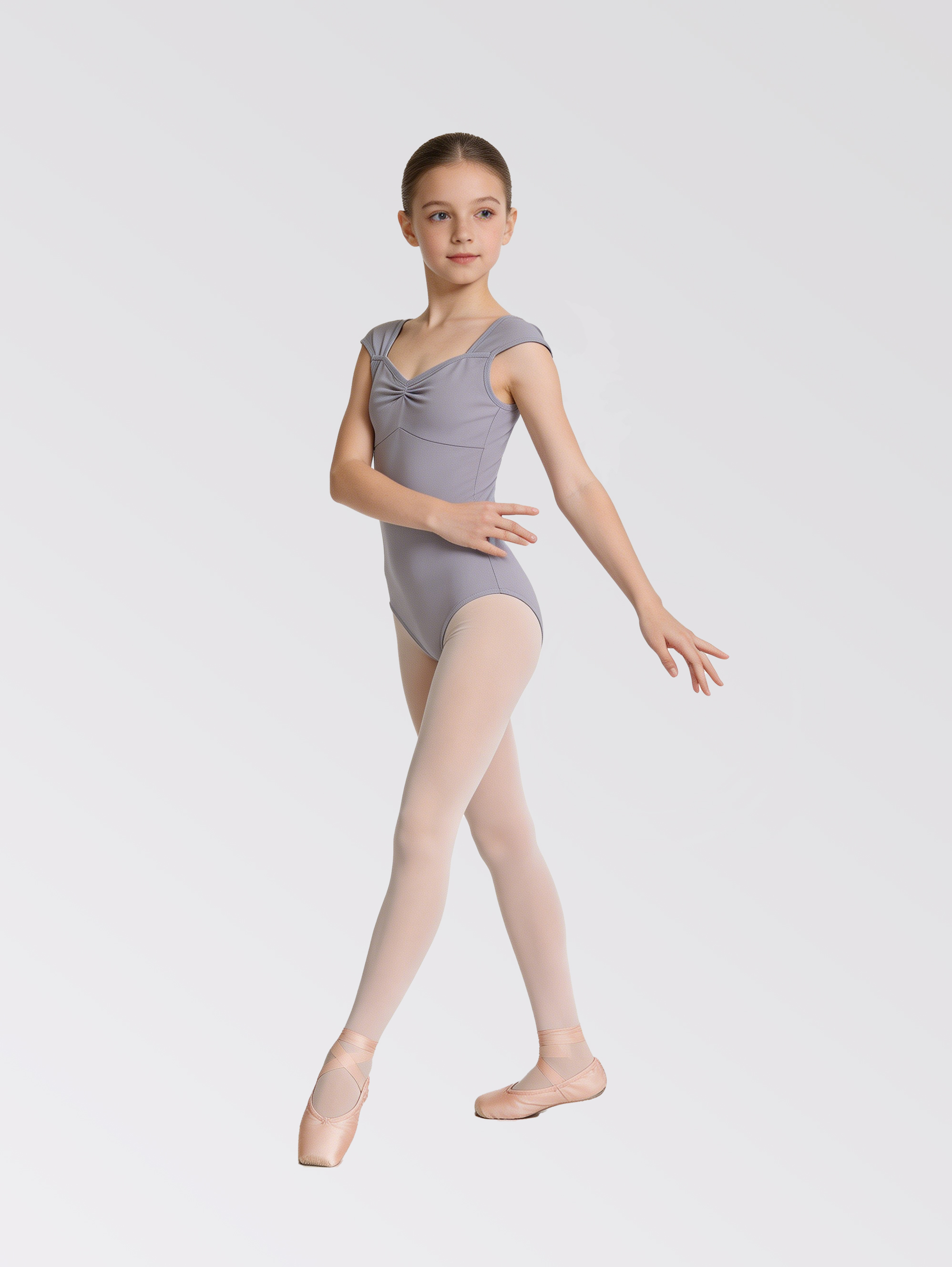
Yes, and color customization is one of the most common requests dancewear suppliers receive. Teams want dancewear that reads as one ensemble under stage lighting, studios want class dancewear matched to their branding, and competition programs want dancewear that interprets a theme. Custom dancewear color schemes deliver all three, but the process carries risks that stock purchasing does not: color must be specified in a way that survives the gap between a screen and a dyed garment, dye lots must be controlled so a second order matches the first, and lead times must accommodate approval cycles. Managed properly, color customization produces the unified look the team imagined; managed loosely, it produces two slightly different blues on the same stage.
Real-World Industry Case / Scenario
A Team Customizing Its Dancewear Look
A competition team selected a deep teal and silver scheme for its lyrical program, working from a color reference on a screen. The initial production batch of dancewear arrived noticeably greener than the reference, and the silver overlays read gray under rehearsal lighting. The team had skipped physical sampling, and the mismatch was discovered only when the garments arrived. Re-production delayed the program by two weeks and consumed the budget margin the customization was meant to protect.
Sampling Dancewear Under Stage Lighting
The corrected process began with physical swatches rather than screen colors. The supplier dyed sample yardage in the target teal and returned swatches that the team evaluated under both rehearsal and stage lighting, since the two environments render dancewear color very differently. The team also requested a sewn sample of the full garment, because construction affects how color reads across panels and seams. Approval was documented against the physical dancewear sample, and the production order referenced that sample as the standard. The finished garments matched, and the team kept the approved sample as the reference for future dancewear orders.
Risk & Failure Mode Analysis
Dye Lot Variation and Color Shift
Color varies between dye lots because dyeing is a chemical process sensitive to substrate, bath conditions, and time. A second dancewear order placed months later, even to the same specification, may not match the first batch exactly, which creates a visible mismatch when new dancers join a team mid-season. The control is dye lot discipline: suppliers retain reference samples and match new dancewear production against them, and teams retain an approved physical sample from the original run. Where exact matching across dancewear orders matters, the specification should name the retained sample as the standard rather than relying on a color name or code.
Custom color adds time at two points: sampling before production and any re-work after rejection. Teams that begin dancewear color selection close to a competition date compress the approval window and risk either delays or acceptance of mismatched garments. The mitigation is scheduling: sampling should start early enough that one revision cycle fits comfortably, and the approval path should be defined so one person holds decision authority. Undocumented approvals create disputes about what was accepted, so written approval against a retained dancewear sample protects both the team and the supplier.
Technical Principles & Standard Compliance
Color Specification and Dye Lots
Professional color specification works through physical references. Pantone references and color codes communicate intent, but dye houses match to physical standards because fabric substrates accept dye differently across fiber blends and knit structures. A cotton-lycra blend and a polyester mesh in the same dye formula produce different perceived colors, so multi-fabric dancewear requires matching across substrates. Dye lot control retains reference yardage from each production run and matches subsequent dancewear orders against it, which is the only reliable way to keep a team uniform across seasons.
Color fastness determines whether the specified dancewear color survives laundering and stage conditions. Testing against standards such as ISO 105 evaluates color change and staining under washing, perspiration, and light exposure, and stage lighting adds its own effect: colored beams shift perceived color, so a garment that reads correctly under white rehearsal light can read differently under the show plot. This is why physical dancewear sample evaluation under stage lighting, not screen approval, is the professional standard. Fastness documentation and lighting-aware sampling together keep the approved color on stage.
Actionable Buyer & Maintenance Guide
Managing a Custom Color Project
A custom dancewear color project follows a defined sequence. First, specify the target through physical references and confirm how the color renders on each fabric in the garment. Second, order dyed swatches and evaluate them under both rehearsal and stage lighting. Third, approve a sewn dancewear sample and retain it as the reference standard for the production order and future orders. Fourth, define the approval authority and the schedule, allowing one revision cycle. Fifth, confirm dye lot documentation with production so future dancewear orders can be matched. Suppliers such as Shaoxing-based Annashi structure custom dancewear programs around these steps, which keeps color decisions evidence-based.
Care That Preserves Color
Custom color is an investment in dancewear, and care protects it. Washing dancewear in cool water with detergents formulated for colored garments reduces dye loss, and line drying away from direct sunlight prevents fading. Multi-color dancewear benefits from inside-out washing, which reduces surface abrasion and crocking. Retaining the approved sample matters as much as garment care, since it is the only reference that allows a future dancewear order to be matched against the original run. Teams that keep both the sample and the dye lot documentation can extend a color scheme across seasons without visible mismatch.
Frequently Asked Questions
Question 1: How is a custom dancewear color specified?
Answer: Specification begins with physical references rather than screen colors, since fabric substrates accept dye differently and screens render color unreliably. Suppliers dye sample yardage in the target color, and the team evaluates swatches under both rehearsal and stage lighting before approving a sewn dancewear sample. The approved sample is retained as the reference standard for the production order and any future dancewear orders.
Question 2: Why did a dancewear reorder not match the original color?
Answer: Dye lots vary because dyeing is a chemical process sensitive to substrate, bath conditions, and time, so a later dancewear order can differ visibly from the original run even against the same specification. The control is dye lot discipline: suppliers retain reference yardage from each production run, and teams retain the approved physical sample. Matching new dancewear production against the retained sample, rather than against a color name or code, is the only reliable approach.
Question 3: How far in advance should a custom dancewear color project start?
Answer: Sampling should begin early enough that one revision cycle fits comfortably before the event date, since custom color adds time at sampling and again at any rework after rejection. The approval path should name a single decision authority, and approvals should be documented in writing against the retained dancewear sample. Teams that begin close to a competition date risk either delays or acceptance of mismatched garments.
Question 4: Does stage lighting change how dancewear color looks?
Answer: Yes. Colored stage beams shift perceived color, so a garment that reads correctly under white rehearsal light can read differently under the show plot. This is why physical dancewear samples are evaluated under stage lighting rather than approved on a screen or under room light. Multi-fabric designs need matching across substrates as well, since each fabric accepts dye differently and can render the same formula as a different color.