
 EN


Why Sequins Fall Off: Material, Construction, and Movement Factors
Hand-Applied vs. Heat-Set Sequins: Adhesion Strength and Longevity
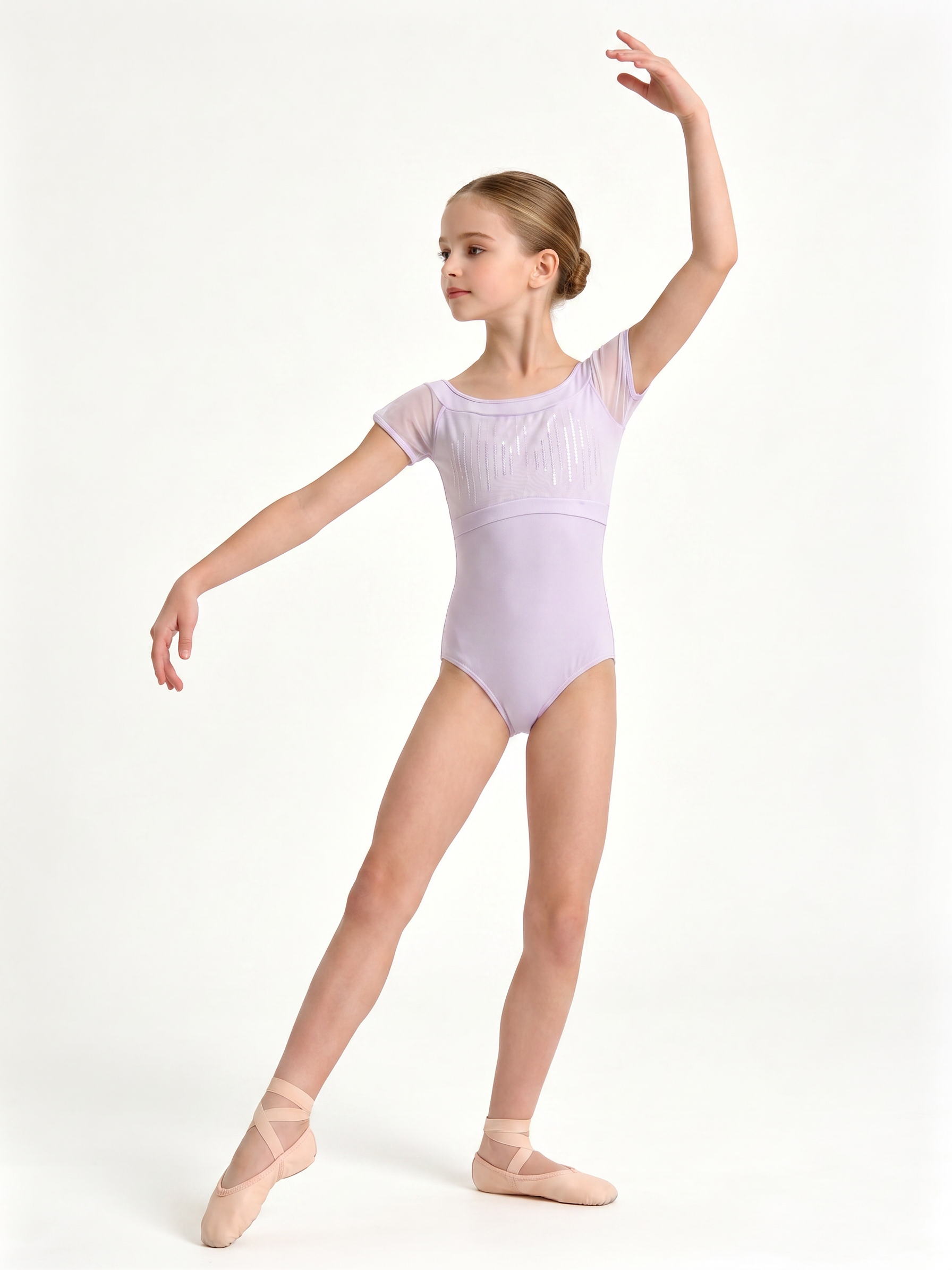
Sequins on a leotard attach either by hand-stitching or heat-set adhesive bonding—two methods with markedly different durability profiles. Hand-applied sequins use fine thread passed through the center hole of each disc, creating a flexible mechanical bond that moves with the fabric. Heat-set sequins rely on thermoplastic film fused to the base textile; while faster and more cost-effective to apply, this bond is rigid and less forgiving under repeated flexing. Independent wear testing shows hand-stitched sequins retain adhesion significantly longer than heat-set versions under identical movement conditions—thread distributes tension across the stitch path, whereas adhesive concentrates stress at a single point. The base fabric matters too: smooth, tightly woven fabrics hold adhesive better than open-knit stretch textiles—but even on ideal substrates, stitched sequins outperform heat-set ones on high-recovery leotards designed for gymnastics, dance, or competitive cheer.
How Stretch Fabric Dynamics Compromise Sequin Bond Integrity
Elastane-dependent stretch fabrics recover from deformation—but only as long as their elastic fibers remain intact. Every time the leotard stretches during movement, attachment points absorb shear force. Neither thread nor adhesive elongates at the same rate as elastane, so stress accumulates at the sequin’s edge and gradually degrades the bond. Environmental stressors—including body oils, sweat, chlorine, high heat, and harsh detergents—accelerate elastane breakdown, reducing snap-back and causing the fabric to sag or shift unpredictably. This micro-movement pulls sequins at inconsistent angles, loosening stitches or fracturing adhesive over time. Even expertly constructed leotards—featuring denser stitching, aligned grainlines, and reinforced anchor points—cannot fully offset progressive stretch degradation. Preserving sequin integrity therefore begins not with the sequins themselves, but with protecting the health and resilience of the underlying stretch fabric.
Daily Handling Best Practices to Preserve Your Sequin Leotard
Friction Reduction During Wear, Removal, and Layering
Minimize abrasion at every stage of use. Avoid contact between sequined panels and rough surfaces: carpeted studio floors, unlined garment bags, hook-and-loop closures, or textured warm-up layers. Sequins snag easily on micro-abrasions, and repeated friction weakens thread loops or fractures heat-set bonds. Apply makeup, deodorant, and body lotion before dressing—and allow full drying—to prevent residue buildup that attracts lint and compromises adhesion. When removing the leotard, ease it down gently from the neckline rather than tugging at sequined zones like underarms or side seams. For outer layers, choose jackets with smooth linings instead of abrasive mesh, and avoid backpacks with coarse shoulder straps. Even small habits—like sitting on a clean towel during floor work—reduce cumulative wear in high-friction areas where sequin loss most commonly begins.
Optimal Storage: Flat or Gently Rolled—Never Hung or Creased
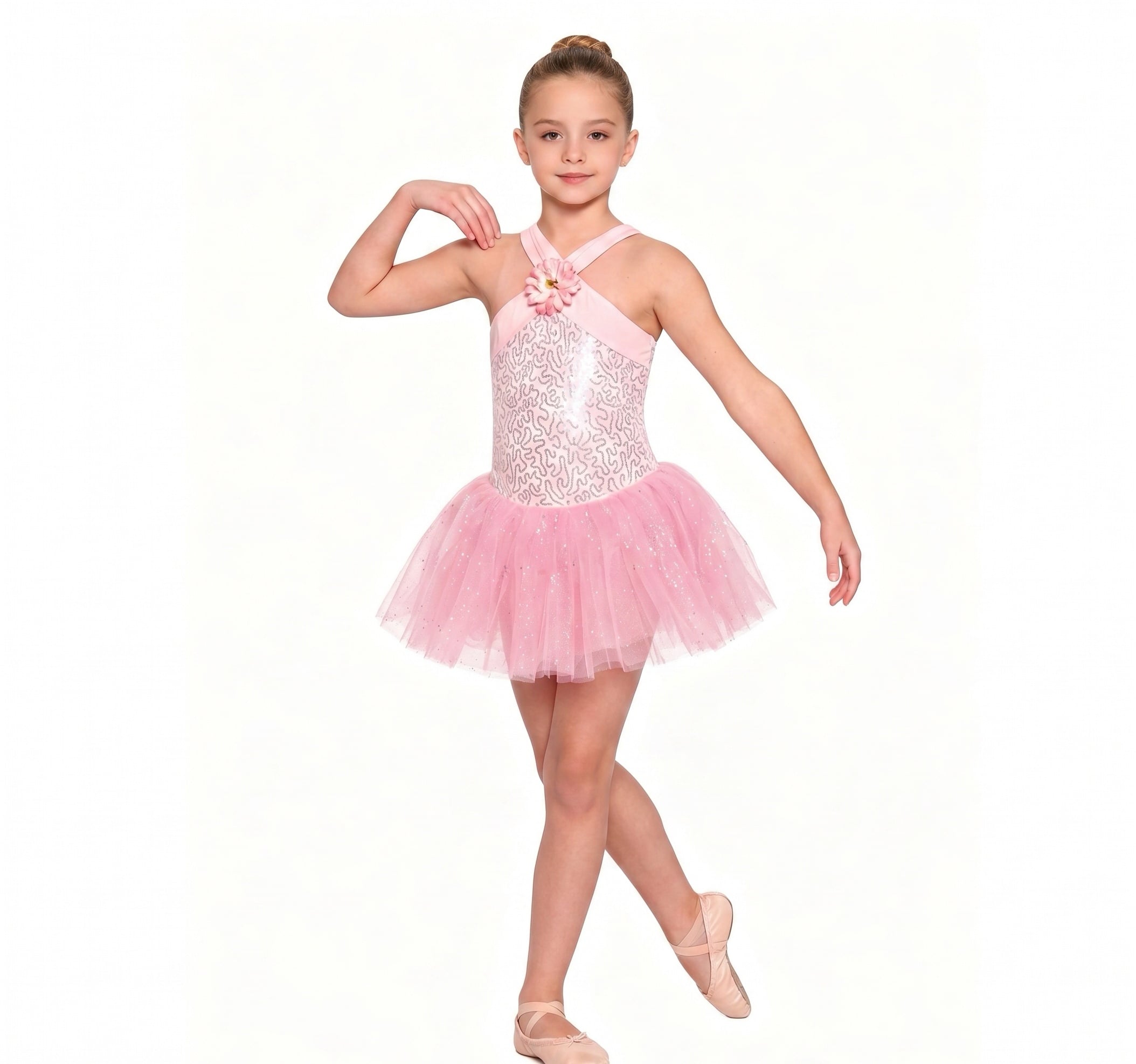
Always store your sequin leotard flat inside a breathable cotton garment bag or wrapped in acid-free tissue paper. Hanging stretches the knit and subjects sequin threads to constant gravitational pull—especially along shoulder seams and underarm curves—leading to premature loosening. Sharp folds risk snapping brittle sequins or cracking adhesive backing, so if drawer space is limited, gently roll the leotard around a foam tube or clean towel with the sequin side facing outward. Keep storage areas cool, dry, and away from direct sunlight or heat vents: UV exposure and humidity degrade both elastane and adhesive integrity. Rotate stored leotards every few months to prevent permanent crease lines. This flat-or-rolled approach maintains fabric recovery, minimizes localized stress, and helps preserve sequin placement through multiple wears.
Gentle Hand Washing Protocol for Sequin Leotards
Cold Water, pH-Balanced Detergent, and Zero-Agitation Technique
Hand washing is the only safe cleaning method for sequin leotards. Fill a clean basin with cool or lukewarm water—never hot, as heat can warp sequins and weaken adhesive bonds. Add a small amount of pH-balanced detergent formulated for delicates; avoid bleach, fabric softeners, and enzyme-based cleaners, which degrade elastic fibers and adhesive films. Submerge the leotard and let it soak for 5–10 minutes (no longer than 15). Then gently swish it through the water without scrubbing, twisting, or wringing. “Zero agitation” means supporting the full weight of the garment in the water—never pulling or rubbing. To rinse, press the fabric lightly against the basin wall or replace the water entirely with fresh cool water. Lift the wet leotard from underneath, never by a sequined panel. Roll it in a clean, dry towel and press firmly to remove excess moisture, then lay flat on a drying rack or clean towel—away from direct heat or sunlight.
Why Machine Washing Always Risks Irreversible Sequin Damage
Machine washing introduces multiple simultaneous failure modes that exceed the design limits of sequin attachments. Tumbling action rubs sequins against fabric, other garments, and the drum interior—applying unpredictable directional force to each bond. Even front-loading “delicate” cycles generate spin speeds that pull wet, heavy fabric outward, placing sudden tension on sequin threads and adhesive edges. Detergent pods or residue may lodge behind partially detached sequins, accelerating corrosion or staining. Once one sequin is lost, tension redistributes to adjacent attachments—often triggering cascading detachment. Tumble drying compounds damage further: heat shrinks or warps the base fabric, distorting fit and making repairs impractical or impossible. Mesh laundry bags offer minimal protection—the repeated impact and mechanical stress still surpass typical bond strength. For this reason, reputable dancewear manufacturers—including brands certified by the International Dance Teachers Association (IDTA) and endorsed by USA Gymnastics—explicitly prohibit machine washing in care instructions.
Effective Repair: Reinforcing Loose Sequins with Thread
Step-by-Step Needle-and-Thread Method for Permanent Hold
Catch early signs of loosening—such as wobbling or slight lifting—and repair immediately to prevent fabric tear or chain detachment. Use a fine beading needle and polyester or nylon thread matched to the sequin color. Knot the thread end securely. From the inside of the leotard, push the needle up through the original attachment hole. Pass the needle through the sequin and back down into the fabric, repeating once more at the exact same entry point to create two stacked, low-profile stitches. Secure the thread on the interior with a tiny backstitch, then trim closely—leaving no loose ends. Avoid overtightening: stretch fabric requires slight slack in the thread to flex without snapping or stressing neighboring sequins. This method restores secure anchoring while preserving fabric integrity and motion tolerance.
FAQs
Why do sequins fall off stretchy fabrics more easily?
Sequins on stretchy fabrics loosen over time due to the constant tension and shear force applied during movement. Elastane's elongation and recovery cause stress at the point of attachment, gradually weakening either stitches or adhesive bonds.
Can I machine wash a sequin leotard if it’s inside a mesh bag?
No, even inside a mesh bag, the agitation, spin cycles, and detergents in a washing machine can damage sequins and their attachment points, causing irreversible damage.
How should I store my sequin leotards to prolong their lifespan?
Store them flat in a breathable cotton garment bag or gently rolled around a foam tube. Avoid hanging or sharp folds that could weaken elastic fibers or damage sequins.
Is it possible to repair loose sequins myself?
Yes, you can repair loose sequins using a fine beading needle and matching thread. Gently restitch the sequin following the original attachment hole, ensuring slight slack to accommodate fabric stretch.
What are the best detergents to use for hand washing sequin leotards?
Use pH-balanced detergents specifically formulated for delicate fabrics. Avoid bleach, fabric softeners, and enzyme-based cleaners that can degrade elastic fibers and adhesive films.