
 EN


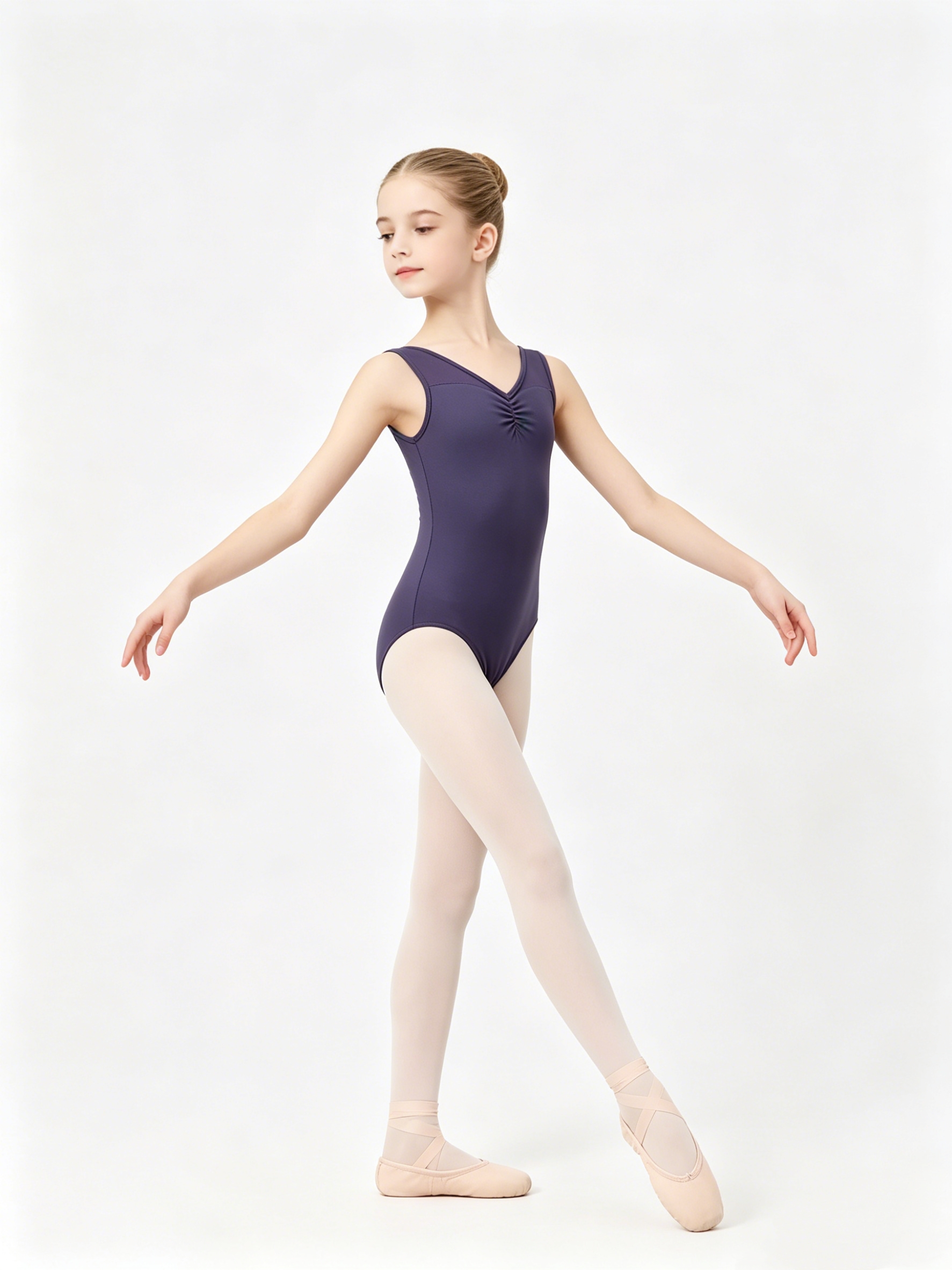
Fabric determines whether dancewear feels like a second skin or a distraction. Breathability and softness are the two properties dancers notice first, and both follow from fiber choice and knit structure rather than from marketing language. Breathable fabric moves water vapor away from the skin so the dancer stays cool through repeated movement, and softness avoids the abrasion and itching that end a rehearsal early. Class and stage garments demand different balances of these properties, and matching dancewear fabric to the discipline is what keeps dancers comfortable from the first warm-up to the final bow. Comfort also shapes how long a dancer can train productively, which makes fabric selection a performance decision rather than a cosmetic one.
Real-World Industry Case / Scenario
A Studio's Fabric Complaint Pattern
A dance studio with three hundred weekly enrollments tracked student and parent complaints for a season. A pattern emerged around specific dancewear: students reported itching and heat during contemporary and jazz classes, while ballet classes generated almost no fabric complaints. The difference traced to the dancewear the students wore. Contemporary dancers favored inexpensive printed dancewear in a synthetic knit with poor moisture management, while ballet dancers wore the studio's required cotton-lycra dancewear. The complaints were not about fit or quality of construction; they were about how the dancewear fabric behaved during vigorous movement.
The studio revised its dress code guidance and its retail recommendation, directing students toward dancewear in moisture-managing fabrics with documented fiber content. Complaints about itching and heat dropped sharply the following season, and instructors reported better focus in the later portions of classes. The studio also noticed that the recommended dancewear lasted longer, because fabrics that manage moisture suffer less from the salt and bacteria buildup that degrades elastane. Instructors added a fabric question to their uniform check, asking about fiber content rather than brand, and the studio's retail partner began stocking dancewear with published specifications so that families could compare before buying.
Risk & Failure Mode Analysis
Heat Stress and Skin Irritation Risks
Poor breathability in dancewear does more than cause discomfort. Fabric that traps heat and moisture raises core temperature during intensive movement, accelerates fatigue, and in warm studios creates conditions for heat stress. Skin irritation follows a parallel path: rough surfaces and chemical residues chafe during repetitive movement, and sensitive skin reacts to the dyes and finishes in low-quality dancewear. Breathable, soft dancewear addresses both risks through fiber selection and finish quality, which is why dancewear for children and intensive disciplines deserves the most careful fabric specification.
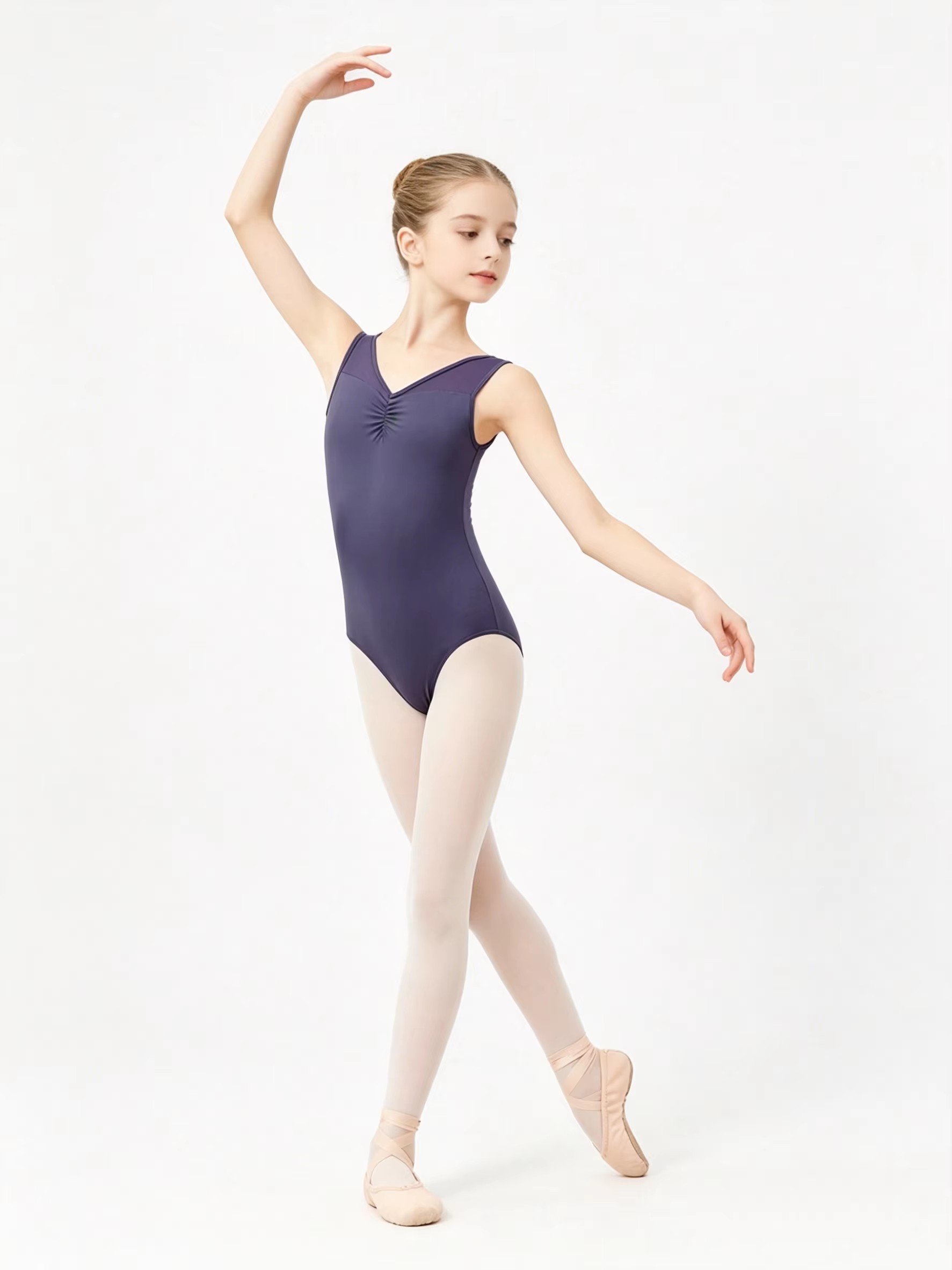
Transparency, Pilling, and Chemical Safety in Dancewear
Stage conditions expose fabric problems that rehearsal hides. Thin dancewear becomes transparent under stage lighting, and low-quality synthetics pill after a handful of washes, leaving dancewear looking worn long before it is. Chemical safety is the third risk axis: dancewear sits against skin through hours of activity, so residue from dyes and finishes matters. Certification schemes such as Oeko-Tex Standard 100 verify that dancewear textiles are free from harmful substances, and studios specifying dancewear for young dancers should request that documentation rather than assume it.
Technical Principles & Standard Compliance
Fiber Properties and Moisture Management
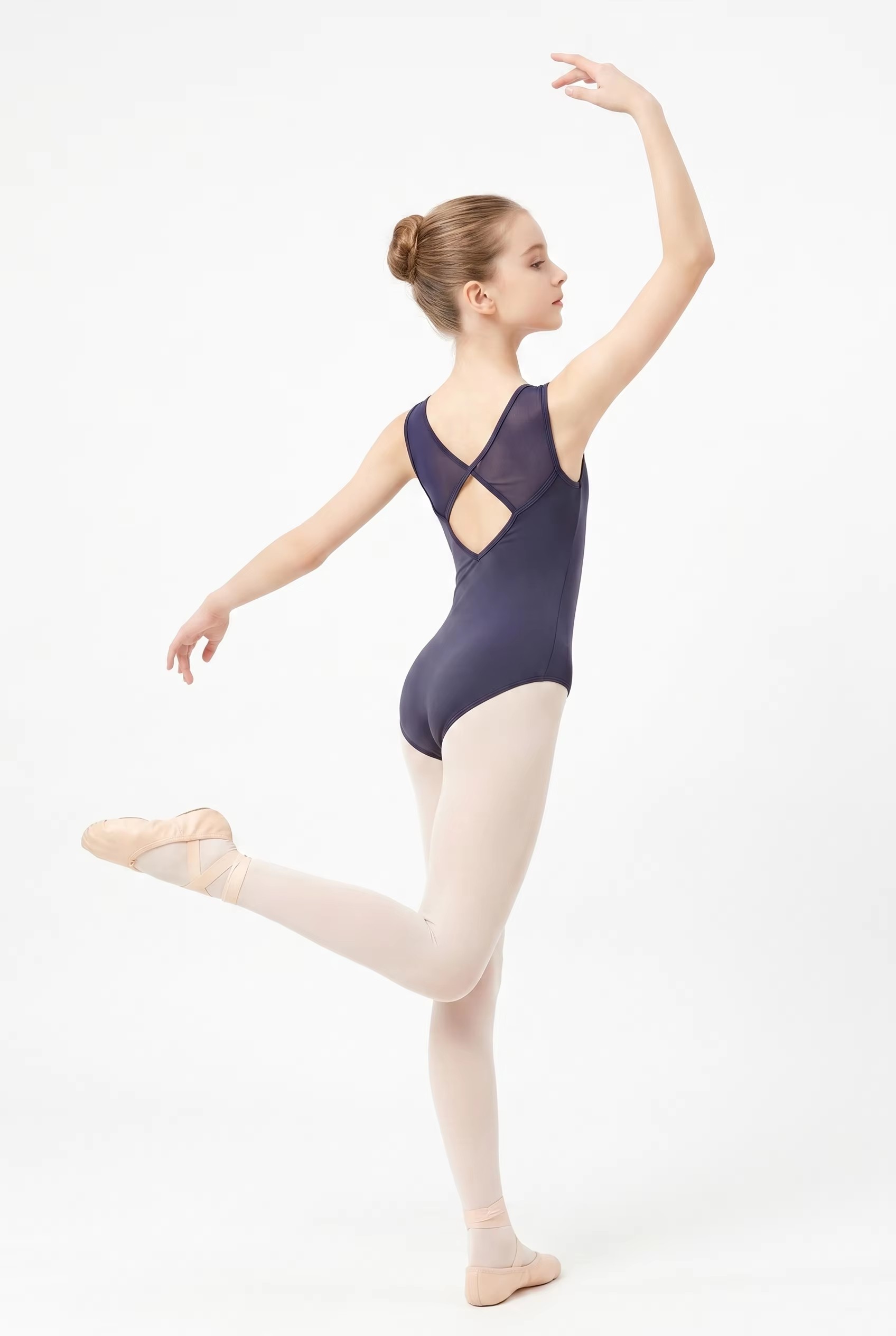
Dancewear fabrics are engineered from fibers with different jobs. Cotton absorbs moisture and feels soft against skin, which suits class dancewear where comfort dominates, but it holds water and dries slowly. Lycra, or elastane, provides the stretch that dancewear requires, with recovery properties that determine whether dancewear keeps its shape through a season. Microfiber polyesters wick moisture away from the skin and dry quickly, which suits intensive disciplines, and mesh panels add localized ventilation where heat concentrates. Blends combine these properties, and the dancewear specification should name the blend ratio rather than a generic fabric description. Knit structure matters as much as fiber: a dense interlock resists transparency and holds shape through repeated washing, while an open knit maximizes ventilation for high-intensity work. Designers combine both structures in a single garment, placing dense knits where coverage matters and open knits where heat concentrates, which is why the dancewear pattern matters as much as the dancewear yarn.
Certification tells a studio what a third party has verified. Oeko-Tex Standard 100 tests dancewear textiles for harmful substances across the production chain, covering dyes, finishes, and residues that contact skin. For children's dancewear, this certification complements regulatory expectations, since young dancers spend hours in garments that fit closely and stretch against the skin. Studios and retailers specifying dancewear should treat substance safety as a documented property, verified by certificate, rather than an assumption based on price or brand.
Actionable Buyer & Maintenance Guide
Matching Dancewear Fabric to Discipline
Fabric selection follows the discipline. Ballet class work suits cotton-lycra dancewear for comfort and durability. Contemporary, jazz, and intensive training favor moisture-managing microfiber blends that keep dancers cooler. Stage dancewear prioritizes opacity and appearance under lights, with matte finishes and fabrics that photograph well. Competition dancewear balances all three, since it must perform, survive laundering between events, and read from the audience. Dancewear suppliers such as Shaoxing-based Annashi publish fiber content, stretch, and certification data that allow dancewear fabric to be matched to discipline rather than guessed.
Washing and Fabric Longevity
Dancewear life follows care practice. Washing dancewear in cool water with gentle detergent protects elastane and dye, since heat and harsh chemicals cause the pilling and recovery loss that shorten dancewear life. Line drying preserves elasticity better than machine drying, and dancewear with delicate panels benefits from mesh laundry bags. Fabric softeners should be avoided, since they coat fibers and reduce the moisture management the dancewear was chosen for. Rotating dancewear across the week distributes wear, and retiring dancewear that has lost recovery keeps dancers in garments that support movement.
Frequently Asked Questions
Question 1: What is the best fabric for everyday dancewear?
Answer: Cotton-lycra blends suit most class dancewear because cotton feels soft against skin and lycra provides the stretch dancewear requires. For intensive disciplines, microfiber blends that wick moisture keep dancers cooler through long rehearsals. The dancewear specification should name the blend ratio, since generic fabric descriptions hide the properties that determine whether dancewear performs in a given class.
Question 2: Why does some dancewear cause itching?
Answer: Itching usually traces to rough surface texture, chemical residues from dyes and finishes, or a fabric that traps moisture and heat against the skin. Low-quality dancewear in inexpensive synthetic knits is the most common source. Soft, breathable dancewear with certified textiles, such as those carrying Oeko-Tex Standard 100, addresses both the mechanical and the chemical causes.
Question 3: How should dancewear be washed to preserve stretch?
Answer: Wash dancewear in cool water with gentle detergent, since heat and harsh chemicals degrade elastane and cause pilling and loss of recovery. Line dry rather than machine dry, and avoid fabric softeners, which coat fibers and reduce the moisture management the dancewear was chosen for. Rotating dancewear across the week distributes wear and extends the life of each garment.
Question 4: Does breathable dancewear really improve performance?
Answer: Breathable dancewear improves comfort, and comfort supports focus and endurance through long rehearsals. Fabric that moves water vapor away from the skin keeps dancers cooler and reduces the fatigue that accumulates in warm studios. The effect is most noticeable in intensive disciplines and in studio environments without climate control, where moisture-managing dancewear outperforms fabrics that hold water.