
 EN
EN

Low-Volume Custom Orders: What Dance Studios Need to Know Before Committing
A dance studio director runs the numbers on the competition season budget: twelve dancers, each needing a custom costume for the group piece. Ordering twenty-four units to meet a manufacturer's minimum order quantity means paying for twelve costumes nobody will wear. This math has sent countless studio owners down the path of compromising on design, settling for off-the-rack options, or absorbing inventory costs that erode already tight margins.
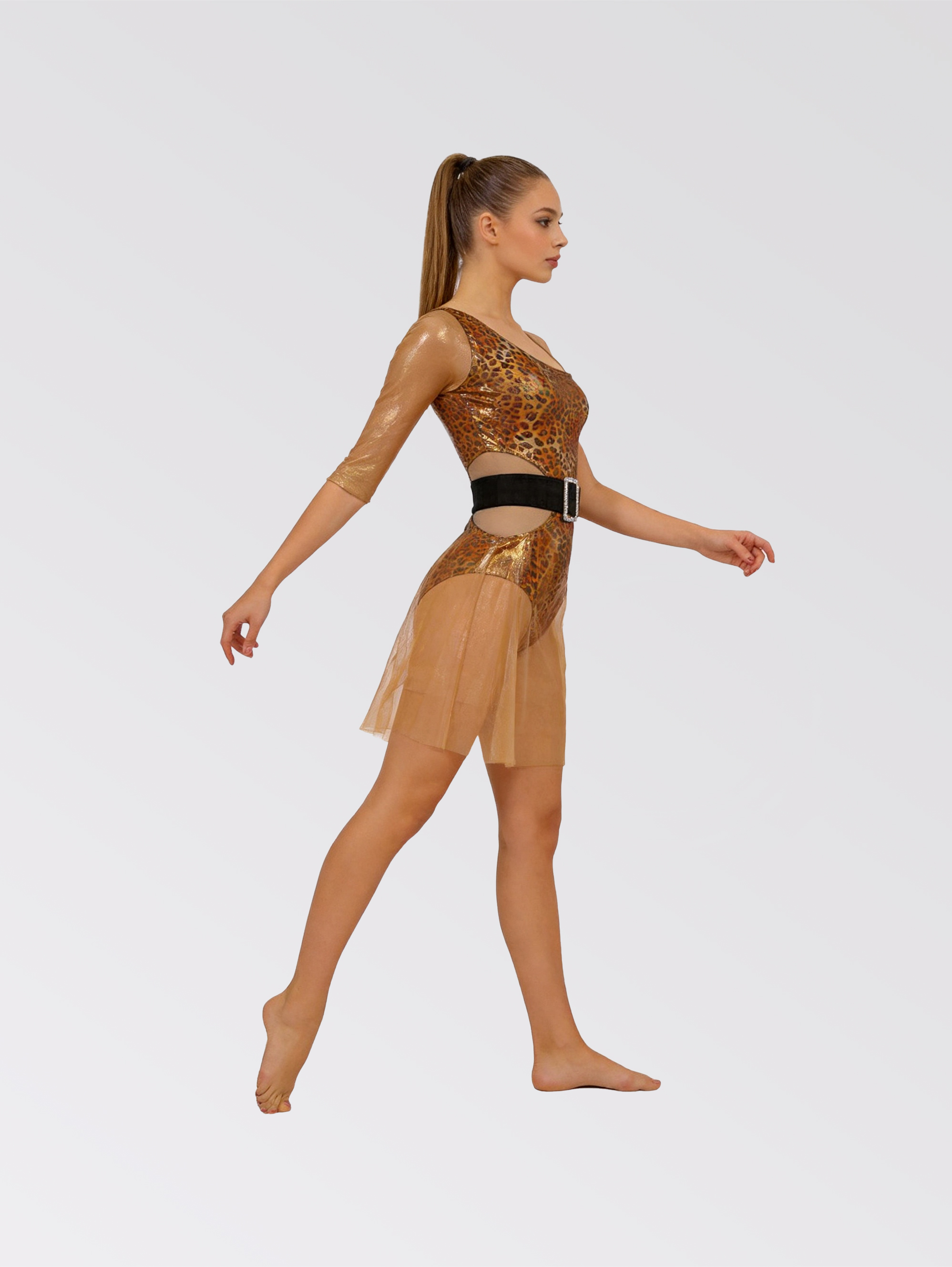
Kids costumes manufactured on a custom basis do not require the volume commitments many buyers assume. Factory-direct manufacturers serving the dance and performance wear industry have adapted their production models to support small-batch custom orders — driven by demand from independent studios, boutique retailers, and competition teams that need unique designs in quantities as low as 10 to 30 pieces per style.
What Small MOQ Actually Means in Garment Manufacturing
The Economics Behind Minimum Order Quantities
Fabric cutting consumes the largest share of production setup cost. A marker — the pattern layout that minimizes fabric waste — requires the same drafting time whether it is used to cut 5 units or 500. At 5 units, setup cost per garment can exceed material cost. At 30 units, the setup cost amortizes to a fraction of the per-unit price. This is why most kids costumes manufacturers set small-batch MOQs between 20 and 50 pieces per design — the threshold where cost efficiency intersects with flexibility.
SHAOXING AIDENG GARMENTS, a dance costume factory operating since 2007 with 15+ years of specialized production experience, offers low-MOQ custom kids costumes starting from 30 pieces per style. This threshold accommodates typical competition team sizes while keeping per-unit pricing competitive with larger production runs. The factory's in-house design team — four dedicated professionals — can translate a sketch, reference photo, or Pantone color specification into a production-ready sample within 7 to 10 working days.
Customization Depth: From Color Changes to Full Design
Custom orders span a spectrum from simple modifications to full original designs. Level one — color and trim customization — involves selecting from existing pattern blocks in different fabric colors and adding studio-specific embellishments. This approach carries the lowest cost and fastest turnaround, typically 15 to 20 days from order confirmation.
Level two adds dimensional changes: lengthening or shortening skirts, adjusting sleeve configurations, or modifying necklines within an existing silhouette framework. Level three — full custom design — creates an original garment from a client's concept, involving pattern drafting, sample iteration, and fit approval before production begins. This adds 10 to 15 days to the timeline but delivers a genuinely exclusive product.
A boutique dancewear retailer in Toronto approached Aideng Garments with designs for a capsule collection of six kids costumes styles — three ballet variations and three jazz pieces — at 40 units per style. The factory produced samples within 10 days, incorporated three rounds of feedback on color saturation and embellishment placement, and delivered the full 240-unit order in six weeks. The retailer sold through 85% of inventory within the first two months of listing, attributing the rapid turnover to exclusive designs unavailable through competing channels. The low-MOQ flexibility enabled testing six designs simultaneously rather than committing to a single style at high volume, spreading market risk across the collection.
Lead Time Planning for Seasonal Demand
Dance costume demand follows an academic calendar. Studios place orders for competition season (January–March delivery) between September and November. Recital costumes for spring performances are ordered between November and January. Factories operating on these cycles experience capacity constraints during peak months — lead times that run 20 to 25 days in off-peak periods may extend to 35 to 45 days during the pre-competition rush.
Bulk buyers who confirm orders before September typically secure priority production slots and pre-peak pricing. Express production options, using dedicated production lines with 10-to-12-day turnaround, carry a premium of 15% to 25% but solve the problem of late-season program additions.
Frequently Asked Questions
What is considered a "small MOQ" for custom kids costumes?
In dancewear manufacturing, a small MOQ typically falls between 20 and 50 pieces per design. Some manufacturers accept orders as low as 10 pieces for simple style or color modifications on existing patterns, while fully custom designs usually require 30 pieces minimum to amortize pattern drafting and marker making costs across the production run.
Can I order multiple sizes within a small MOQ?
Yes, the MOQ applies to the total per style, not per size. A 30-piece MOQ can be distributed across a size run — for example, 5 units each in sizes 6, 8, 10, 12, 14, and 16. This flexibility is essential for kids costumes where sizing variation within a single class or team is the norm rather than the exception.
How long does a custom kids costume order take from design to delivery?
Standard timelines run 25 to 35 days: 7 to 10 days for sample development, 15 to 20 days for bulk production, and 3 to 5 days for express courier shipping (DHL/FedEx). During peak production months (October through January), add 10 to 15 days. Rush orders with dedicated production lines can compress the timeline to 15 days at a premium surcharge of 15% to 25%.
What file formats do manufacturers need for custom designs?
Manufacturers accept design sketches as PDF or high-resolution JPEG, technical specifications as Excel or Word documents, and color references as Pantone codes or physical fabric swatches mailed separately. Reference photographs of similar garments help communicate silhouette expectations. SHAOXING AIDENG GARMENTS provides a standardized specification template to streamline the design transfer process.
Do small MOQ orders include private labeling?
Many factory-direct manufacturers offer private labeling — branded hang tags, woven neck labels, and custom packaging — even on small-MOQ orders. Setup costs for woven labels typically range from 30 to 80 with minimum label orders of 200 to 500 pieces. These labels are produced once and applied across multiple orders, making the upfront cost economical after the first production run.
How do I verify quality before placing a bulk custom order?
Request a pre-production sample — a single garment made to your specifications using the exact materials intended for bulk production. Evaluate fabric hand feel, color accuracy under multiple light sources, seam strength, and fit on an actual dancer. The sample also serves as the quality reference standard against which bulk production will be compared during pre-shipment inspection.