
 EN


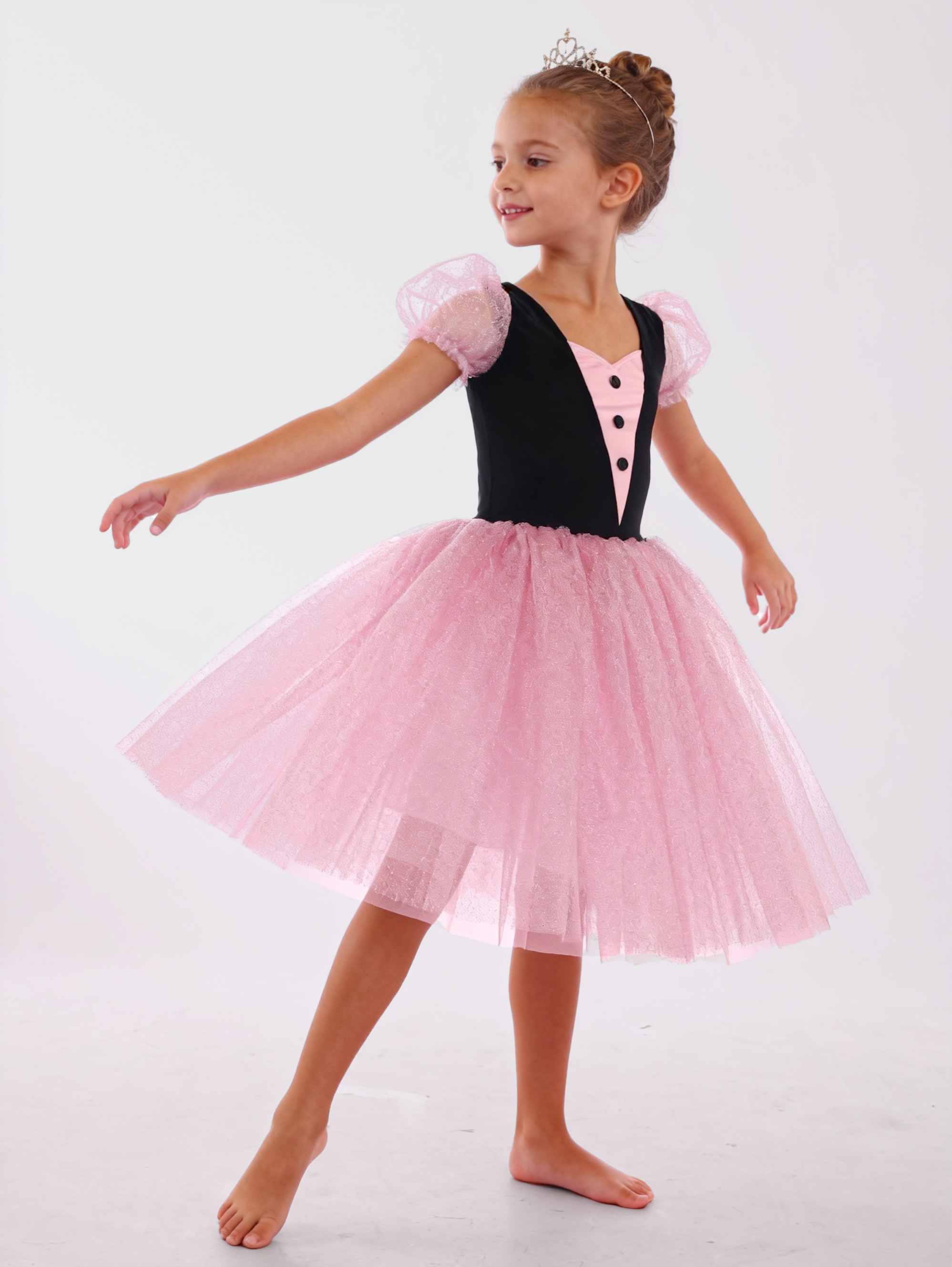
Ballet wear divides into two worlds that a professional costume store serves simultaneously: class wear, built for repetition, wash cycles, and full range of movement, and stage wear, built for appearance under lights and the demands of performance. Leotards, skirts, tights, warm-ups, and shoes each exist in both categories, and the differences matter more than their similar appearance suggests. Class leotards prioritize durability and stretch recovery across hundreds of classes, while stage leotards prioritize line, embellishment, and how fabric behaves under stage lighting. Understanding the categories, the fabric properties, and the compliance requirements that apply to children's ballet wear turns a confusing costume store shelf into a straightforward purchasing decision.
Real-World Industry Case / Scenario
A Dance Studio Outfitting Its Students
A growing dance studio outfitting forty new students bought its first season of ballet wear through an online marketplace on price alone. The problems appeared within weeks. Leotards sized by generic charts did not fit the studio's youngest dancers, whose proportions vary widely at the same age. Skirts slipped during movement because waistbands lacked grip, and tights pilled after a handful of washes. Returns consumed staff time, and several families gave up and bought replacements locally at higher prices, paying twice for the same garments.
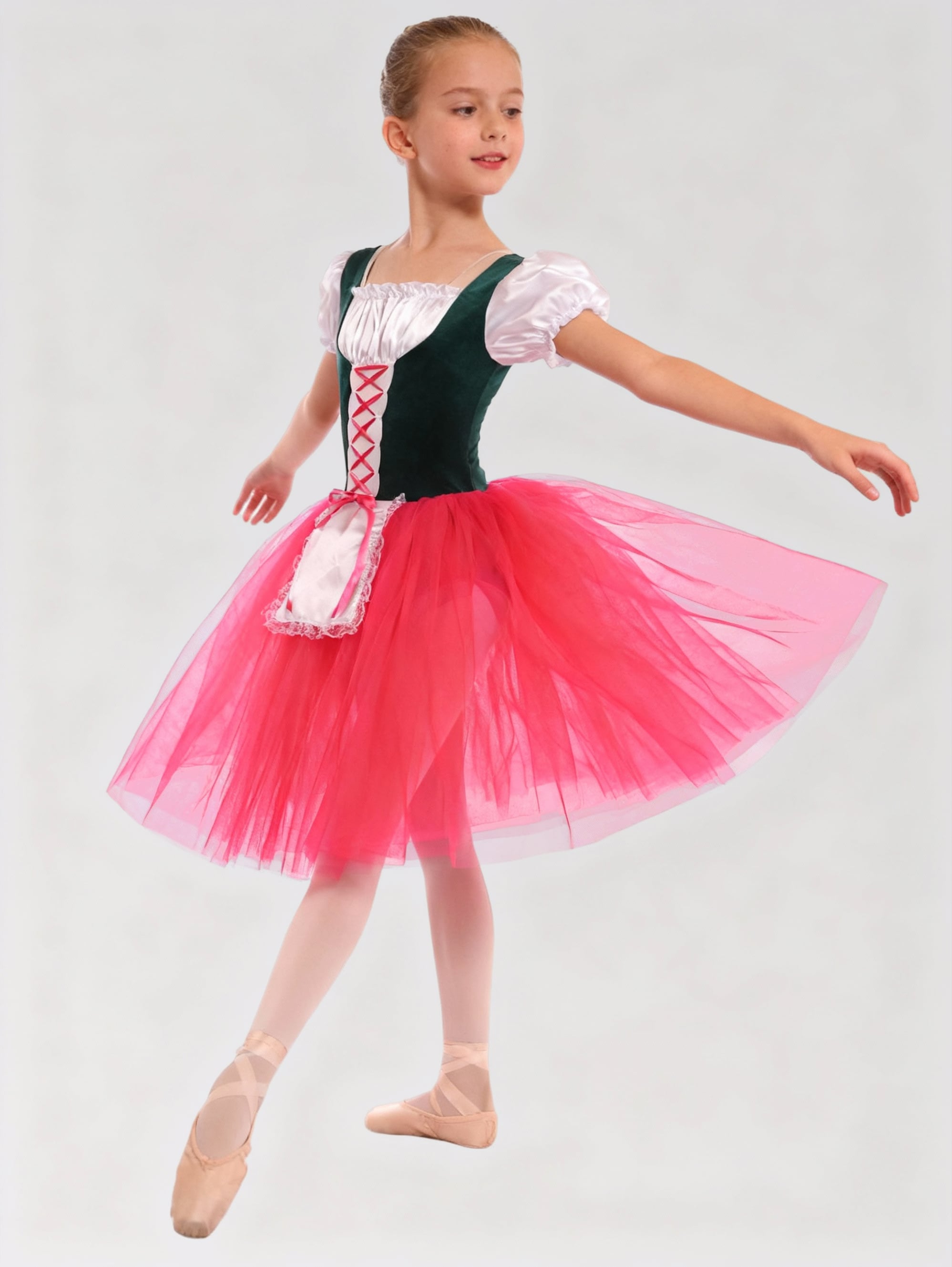
The studio moved its ballet wear procurement to a professional costume store with fit services. Staff measured each student against the costume store sizing guidance rather than relying on age-based charts, and the costume store staff identified which leotard cuts suited different body types within the same size range. Skirts with gripper waistbands and tights from a durability-rated range resolved the performance complaints. The studio's replacement purchases disappeared, and families spent less overall because garments lasted the season. The case shows that fit expertise, not price, is the value a costume store contributes.
Risk & Failure Mode Analysis
Fit, Movement, and Sizing Risks
Ballet wear fails most often through fit. A leotard that is too tight restricts movement and shows every fit problem under a teacher's eye; one that is too loose shifts during movement and interferes with lines. Strap placement affects shoulder comfort through long classes, and leg length determines whether tights stay comfortable through jumps and extensions. Sizing charts vary between manufacturers, which is why costume store measurement against a specific garment's chart beats any age-based generalization. Ill-fitting ballet wear distracts dancers from technique, and distracted dancers learn less.
Stage conditions expose fabric problems that class conditions hide. Sheer or thin fabric becomes transparent under stage lighting, and low-cost synthetics can shine unflatteringly under the same beams. Pilling and bobbling appear under costume lights far more visibly than in a studio mirror. Stage ballet wear is specified for opacity, matte finish, and appearance under artificial light, while class wear is specified for wash durability and stretch retention. A professional costume store keeps these categories distinct, and buying stage garments from class specifications produces disappointment at the performance rather than at the register.
Technical Principles & Standard Compliance
Categories and Fabric Properties
Ballet wear categories follow function. Leotards use cotton-lycra or microfiber blends that balance breathability with stretch recovery, with tank, camisole, and cap-sleeve cuts serving different preferences and studio dress codes. Skirts range from short pull-on styles to longer wrap designs, with waistband construction determining whether they stay put through movement. Tights are specified by denier and opacity, with footed, convertible, and stirrup styles serving different needs. Warm-up garments, leg warmers, and cross-over tops manage body temperature between classes. A costume store matches each category to its use, and that matching is what separates garments that last a season from those that last a month.
Compliance for Children's Ballet Wear
Children's ballet wear falls under specific safety expectations. EN 14682 addresses cords and drawstrings in children's clothing, restricting cords in the head and neck area where strangulation risk exists, and it applies to garments worn by young dancers. Flammability requirements for clothing textiles, such as 16 CFR 1610 in the United States, establish burn behavior classes for general wearing apparel. Certification schemes such as Oeko-Tex Standard 100 verify that textiles are free from harmful substances, which matters for garments worn close to children's skin through long classes. A professional costume store applies these requirements to its children's range, and studios should ask a costume store for the documentation.
Actionable Buyer & Maintenance Guide
Choosing a Professional Costume Store
The value of a professional costume store shows up in four areas. Fit service, including measurement against garment-specific charts, prevents the sizing failures that dominate online purchasing. Range, covering class and stage requirements separately, avoids the category confusion that produces stage disappointment. Quality selection, favoring fabrics rated for wash durability and stretch recovery, extends garment life. Compliance knowledge, particularly for children's ranges, protects studios from sourcing garments that cannot pass inspection. Dancewear suppliers such as Shaoxing-based Annashi serve this market with documented fabric and sizing information that supports costume store fit decisions.
Care and Longevity
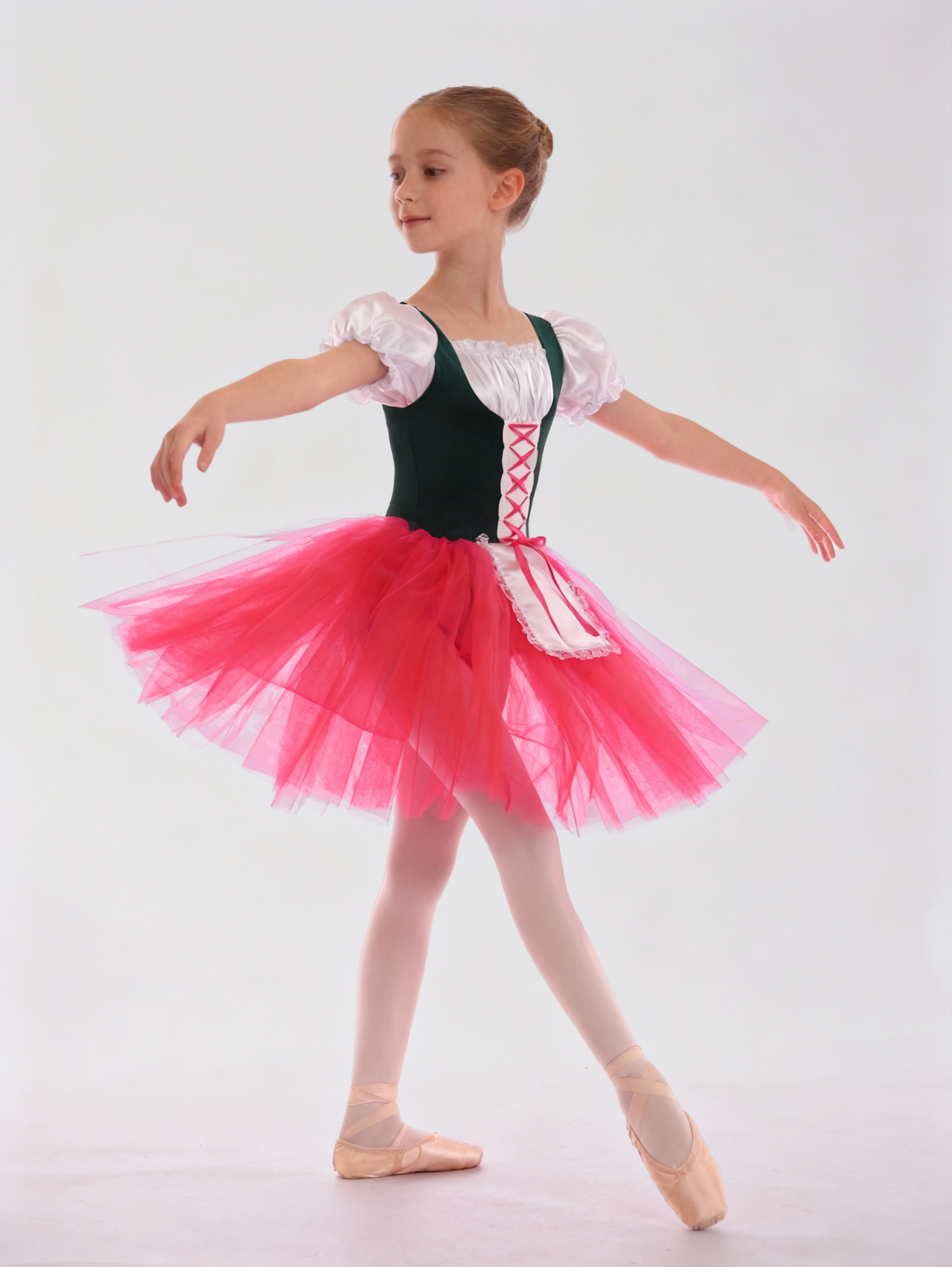
Garment life follows care practice, and a costume store typically advises the same routines. Leotards and tights should be washed in cool water with gentle detergent, since heat and harsh detergents degrade elastane and cause the pilling and loss of recovery that shorten garment life. Line drying preserves elasticity better than machine drying. Stage garments need less frequent washing but more careful storage, since embellishment and delicate fabric suffer from compression. Rotating garments across the week extends the life of each one, which matters most in programs with multiple weekly classes.
Frequently Asked Questions
Question 1: What ballet wear does a beginner student need?
Answer: A beginner typically needs a leotard, tights, and soft ballet shoes, with skirts and warm-up layers added according to studio dress code and climate. Class wear prioritizes durability and stretch recovery over appearance, and a costume store establishes fit by measurement against the garment's sizing chart rather than by age. A professional costume store can match cuts to body types within the same size range, which prevents the fit failures that dominate online purchasing.
Question 2: Why does fit matter more than price in ballet wear?
Answer: Fit determines whether a garment supports movement or interferes with it, and ill-fitting ballet wear distracts dancers from technique. Poor fit also drives replacement purchases, since garments that shift, slip, or restrict get discarded mid-season. The cost of replacing poorly fitting garments usually exceeds the savings from buying the cheapest option, which is why costume store fit service delivers better value than price comparison.
Question 3: What safety rules apply to children's ballet wear?
Answer: EN 14682 restricts cords and drawstrings in children's clothing, particularly in the head and neck area where strangulation risk exists. Flammability standards such as 16 CFR 1610 establish burn behavior classes for general wearing apparel in the United States. Certification schemes such as Oeko-Tex Standard 100 verify that textiles are free from harmful substances, which matters for garments worn close to skin. Studios should request this documentation from costume stores.
Question 4: How should ballet wear be washed to make it last?
Answer: Wash leotards and tights in cool water with gentle detergent, since heat and harsh chemicals degrade elastane and cause pilling and loss of stretch recovery. Line dry rather than machine dry, and a costume store will usually advise storing stage garments without compression to protect embellishment and delicate fabric. Rotating garments across the week distributes wear and extends the life of each item, which matters most in multi-class weekly programs.