
 EN
EN

Fluid silhouettes and movement-first design in lyrical costumes
How contemporary dance aesthetics are changing the lyrical lines
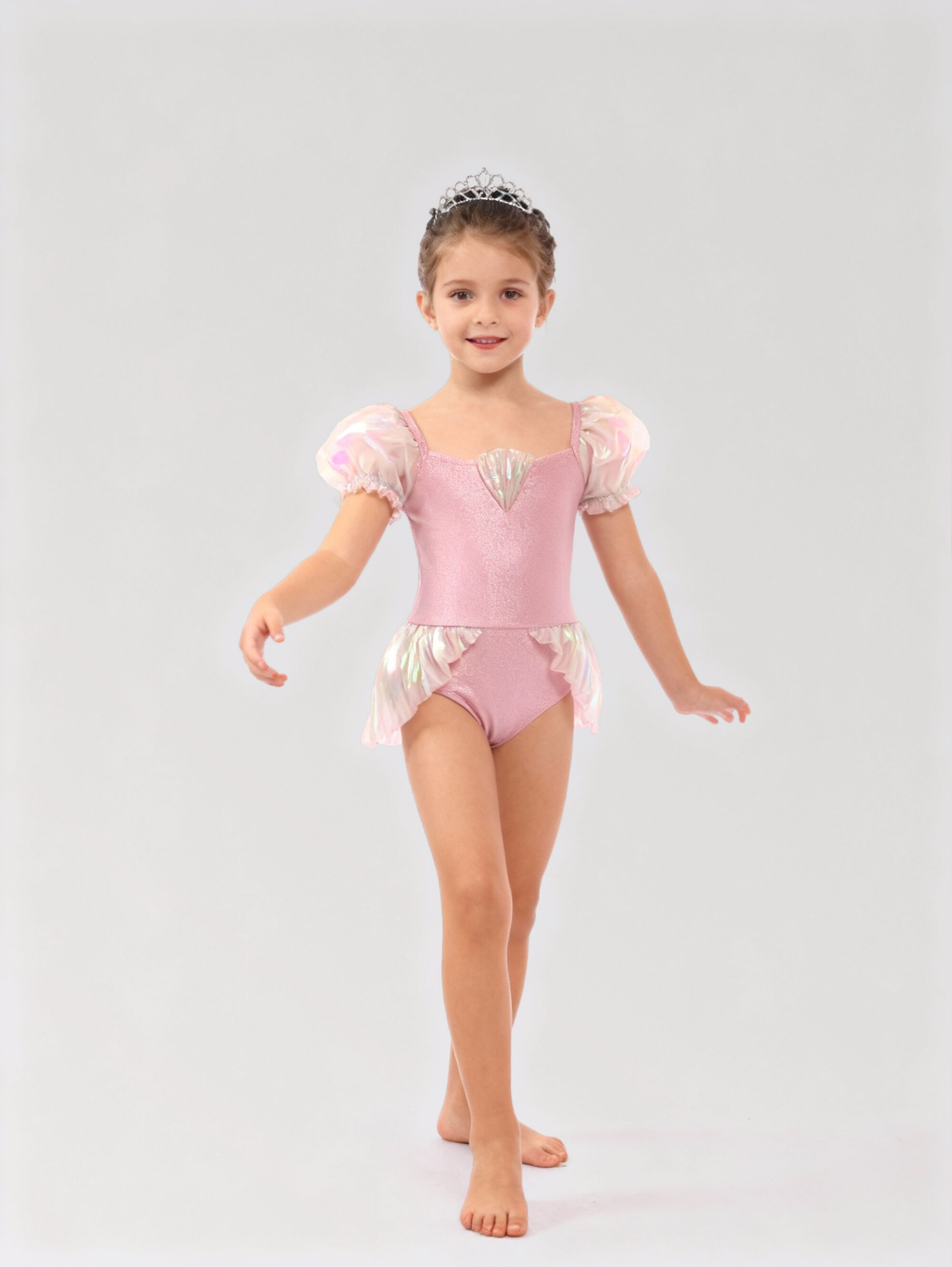
The primary consideration in the design of dance costumes is changing due to the emphasis, in contemporary dance, of movement, rather than the appearance of looking good in still poses. A growing number of choreographers, for example, are considering the design of the costumes in relation to the movement of the body. These choreographers are opting for design elements such as unusual and asymmetrical necklines, flowing fabrics, and seamless costumes, which are designed to facilitate uninhibited movement of the dancers. Evidence to support this is provided in the Dance Educators of America survey, in which 78% of the competition routines included floor-based movements and body positions that were previously considered odd and unconventional. Modern dance costume designers are finding ways to enhance seamless movement in costumes, for example, bonded seams and cut patterns are used to enhance freedom of movement in rapid turns and tricky balance poses. Costumes used to only be aesthetic in value. Costumes are now designed as aids to facilitate dance movement, along with the aesthetic value.
The Dominance of Stretch-Blend Textiles in Contemporary Lyrical Dance Costumes
91% of costume fabric made for lyrical dance is made of performance stretch blend fabrics because of their biomechanical applicability for dance movement (Costume Technology Institute 2024). Dance-specific engineered four-way stretch fabrics with high recovery and moisture wicking properties assist in uninterrupted muscle activation through high extension movement with continual sweat evaporation. Some of the main functional benefits include:
Dynamic Recovery: superior recovery and rebounding performance than knit fabrics after being stretched is critical for
Weight Drag: Micro-light (approx. 3.2 oz/sq yd) fabrics help to eliminate weight drag during leaps
Breathable Compression: purposeful construction and fabric use provides muscle support through compression without the constriction and impediment of blood flow
The advanced evolution of dance fabrics has transformed the bodysuit into a second skin which captures the subtle nuances of the muscular system to tell the lyrical dance story.
Lyrical Color Palettes: How to Neutralize and Chromatize
The 3:1 Neutral-to-Accent Ratio in Studio and Competition Lyrical Costuming
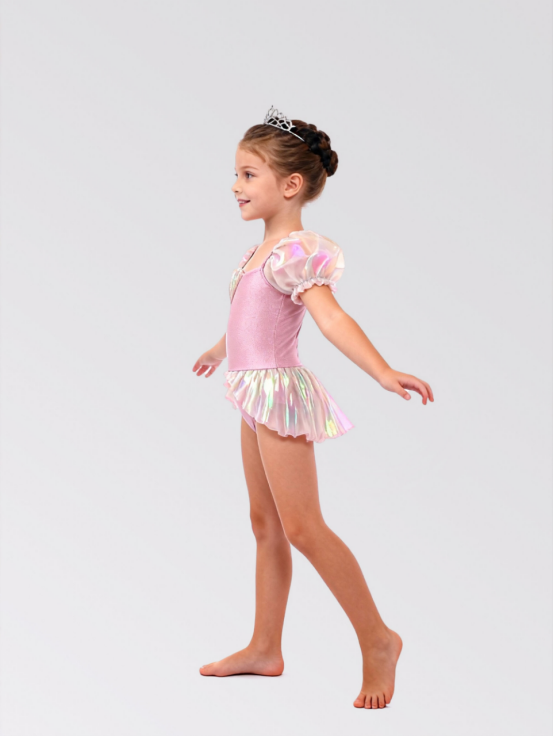
The majority of experts in the field design costumes using the 3:1 ratio. This continues to be a balanced ratio of how much of the stage can be seen, and how the costumes blend together. They use neutrals like ivory, mist gray, and champagne to act as background materials so the dancers appear longer and the costumes adapt to any lighting. Adding a pop of color, like deep plum, teal, or burnt sienna, holds the spotlight on the important dance highlights. This approach shines with flexibility in performance spaces and with diverse judging panels. It also means that the placement of the dancers in the lifts and turns can be easily seen without bulky disruptions to the overall costumes.
Using The Psychology of Color In Lyrics Performances.
What most lyrical choreographers want to achieve involves using color on many different levels to communicate to the audience. The choice of color for costumes and lighting is deliberate. For instance, the use of pale blue can make the audience reflective and even cause a loss of focus. The color burgundy is seen as the ideal choice for the emotional and passionate heating up of the stage. When the audience is happy and emotionally engaged, colors of coral and gold become ideal options. For storytelling that captures vulnerability or the desire to reach beyond, the use of colors such as slate gray and soft lavender are desirable options. The use of neutral colors is ideal to prevent the audience from getting lost in the emotional storytelling. In the various stances that that cause the audience to hold their breath and the stances that require peace and silence, use of contrasting colors will draw the attention of the audience. Such deliberate use of color communicates to the audience, without the need for words.
The Functional Embellishment of Costumes: The Use of Texture, Detail, and Movement
Sequins vs. Matte Mesh: Why Subtle Textures are Better for Lyrical Movement
When creating costumes for lyrical dance, the fabric needs to allow the dancer to move, and not hinder that movement. Sequins create all sorts of issues. Sequins reflect light and create the illusion of movement, break up clean lines and most importantly, prevent the dancer from moving freely. A 2023 Dance Medicine Journal article found that the addition of heavy embellishments to costumes can reduce the dancer's range of motion by 20% compared to the use of fabrics that are more pliable. This is a pretty intuitive conclusion. Matte mesh, on the other hand, is a much better and more practical option because it allows for more freedom of movement and it looks great on stage.
- Engineered blends make unrestricted flexibility possible
- Non reflective surfaces maintain focus on choreography.
- Enhanced durability means your costume will maintain structural integrity after 40+ wears.
Performance data backs the superiority of matte over sequins:
- Mobility Index
- Costume Lifespan of more than 40+ wears
- Distraction Factor is virtually zero
-
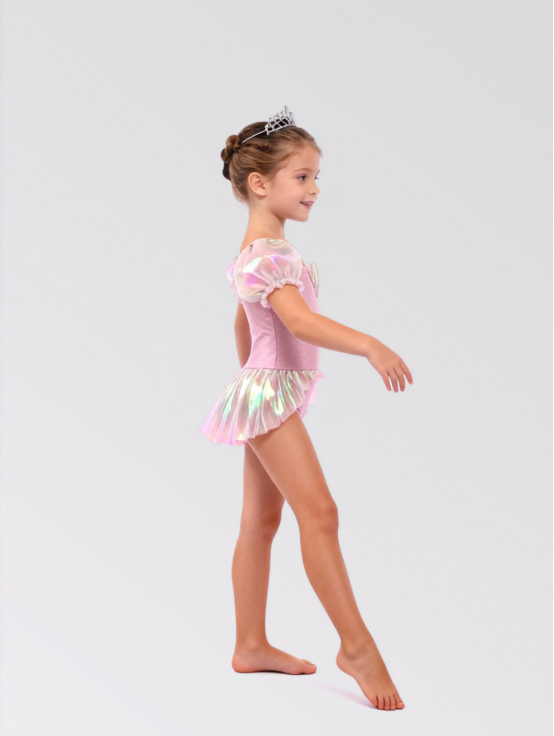
From the Mobility Index scores, we can already see sequins costumes are more limiting than matte costumes. As more organic lyrical vocabularies are being incorporated in choreography, we need tactile flexibility to support the dancers' expressive stories.
As usual, detailed matte costumes provide the support.
FAQ
Why are fluid silhouettes important in lyrical costumes?
Fluid silhouettes in lyrical costumes are important as they allow dancers to enhance the choreography to the fullest while providing the freedom of natural movement.
What role does color play in lyrical dance performances?
Colors impact the tone and emotion of the story being told in a lyrical dance performance. Different colors evoke different responses and emotions from the audience.
Why are matte mesh materials preferred over sequins for lyrical dance costumes?
Because of mobility and flexibility, and the overall lack of limitation that sequins can cause.