
 EN
EN


Fabric Performance for Jazz Dance Costumes
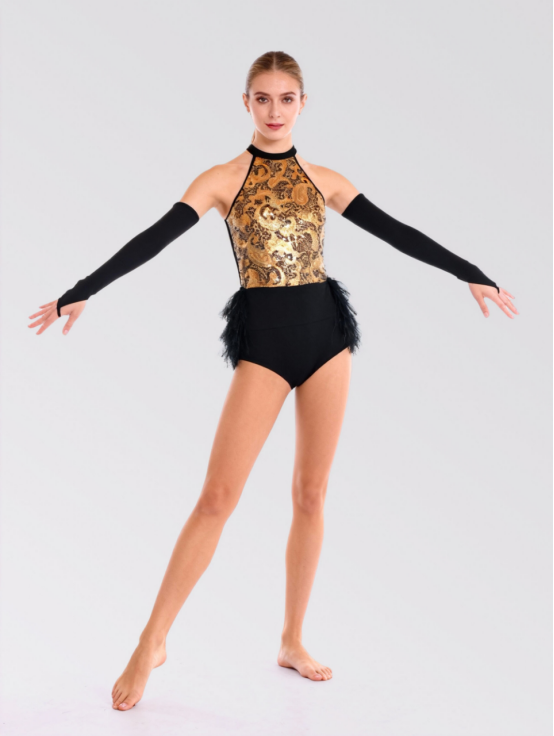
Elastic Recovery and four-way stretch
Designing costumes for jazz dance performances means your fabric has to remembered to reminisce your big leaps and quick changes when designing costumes for jazz dance performances remember your big leaps and quick direction changes and intricate sequence footwork sp? The fabric needs to become an extension of your body. four-way stretch fabric allows your body to be free to move in any direction and and still stay fully intact. 15 to 25 percent spandex works best for with jazz dance costumes according to industry specifications ASTM D4964-21. It gives dancers the best flexibility for 15 to 25 the best flexibility support to keep the costumes looking nice, and and to keep the costumes looking nice, and to keep the costumes looking nice to keep the costumes looking nice to keep the costumes looking nice to keep the costumes looking nice The big thing about materials is is the recovery of the fabric when it is repeatedly stretched. When recovery in fabric It is poor, the pants begin to sag and lose their shape after a rehearsal. The 90% of original stretch after hundreds of washing cycles. 40% less won costumes endure wear and tear. This is high quality being of affordable to spend. This is of high quality.
Moisture-Wicking and Breathability: Polyester-Spandex vs. Tencel-Jazz hybrids
Dancers need to keep their body temperature under control. During intense jazz routines, core temperatures can get up to 38°C, and if their clothes do not manage moisture well, it impacts their ability to continue. Most of the dance wear on the market is still using that 80/20 polyester-spandex blend as it is less expensive and lasts longer. While it is true that polyester blends will wick away moisture 30% better than regular cotton fabrics, polyester blends do not ‘breathe’ as well as some newer fabrics on the market. Tencel® blends merged with other fibers like cotton, in a ratio of 70/30, are taking a different approach. Since Tencel is produced with wood pulp that is collected in a sustainable manner, it helps evaporate moisture at a quicker rate than fabrics do. The evaporation rate is 0.3 seconds per gram, compared to tradition fabrics, which evaporate at a rate of 0.5 seconds per gram. Tencel blends give off more airflow through the fabric surface than older/ traditional polyester fabrics (about 50 cc/s vs 35 cc/s, respectively). Tencel and polyester blends do not trap as much heat as traditional polyester fabrics.
The Journal of Dance Medicine & Science published a study that found that dancers who wear breathable fabrics can perform complex movements better and maintain their balance an average of 17% better, which aids in seamlessly transitioning between poses while maintaining control.
Jazz Techniques Without Restrictions
Strategic placement of seams and articulated pattern drafting
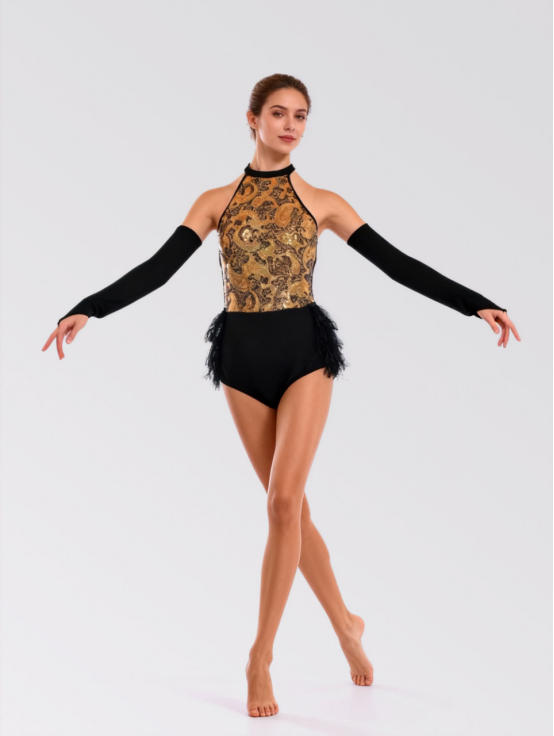
As for tech of the garment, an ergonomic design allows the reduction of annoyance issues like friction, distraction from tight spots, and restrictions to movement. \"Smart\" flatlock seams have protective skin irritation consideration as the user makes rapid turns and long leg extensions which are common in sports. The pattern drafting for these garments are designed to work with the body's natural bending and flexing to avoid the fabrics constant fight against the body. Double-gusseting is used under arm sleeve gussets and inner leg seam gussets to provide additional room for lateral movement without the garment becoming overly puffy or distorted. Engineered mesh is used in hot spots where the user is most likely to sweat, such as the underarms, back and inner thighs to provide breathability. This mesh helps control infection from sweat without compromising the design of the garment and most importantly, helps the user focus on their activity rather than adjusting the garment mid activity.
Weight Distribution, Silhouette Flow, and Jump-Landing Impact Absorption
The starting point for any good aerodynamics lies in construction, particularly the evenness of weight distribution. An 85/15 horizontal blend (Polyester/Spandex) creates a smoother flow when dancers are jumping, reducing fabric resistance when performing. The elastic in the waistband, and ankle cuffs, holds everything in position to allow for maximum comfort. Impact absorption is increased by reinforced knees and a special tighter compression fabric in the landing area, described in other sections, that prevents fatigue to the muscles, and reduces the stress on the joints caused by the landing. A recent study in the Dance Medicine Journal demonstrated that innovative costumes designed to address these issues, compared to costumes created with the same generic thought, reduced post landing wobbliness by 30%. This is critical for maintaining clear technique and clean lines when dancing, especially when the choreography is high intensity.
Stage-Ready Aesthetics: The Power of Color, Texture, and The Power of The Jazz Aesthetic
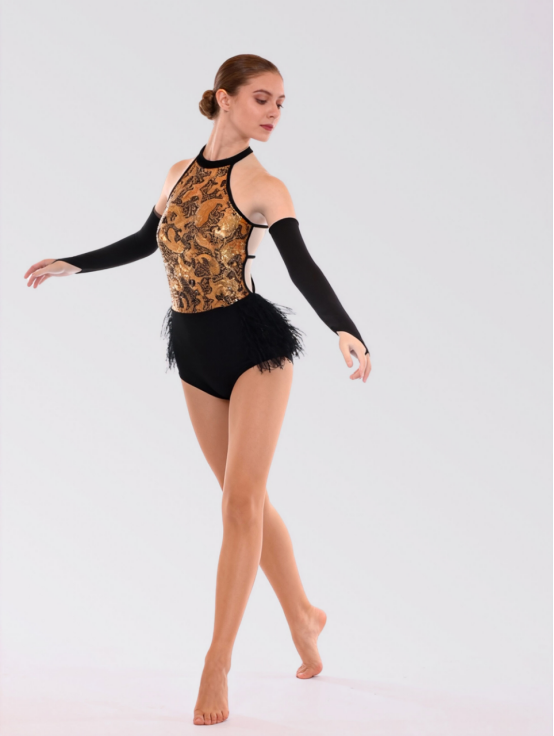
Jazz dance costumes are designed to MOVE, telling stories through sound and motion. Different colors evoke different feelings: burning red is exciting and energizing, while muted blues and greys are moody and emotional. To add to the effect, the fabrics are designed to interact with the stage lights in different ways: satin shines and is great tofro catching the lights for quick, flashy moves, while velvet absorbs the light and is better for emphasizing slow quick moves in an improv. Good costume designers are able to bring colour, textile, and light together and the results are very impressive. Research shows that good costumes lead to dancers feeling more confident: on complex improv sections, dancers feel 27% more confident. The costumes become another part of the dance.
Durability and Care Requirements for Jazz Costumes with High Usage
When you put a lot of blame on jazz costumes, they really show the punishment. Because of the slides, moves, and fast turns, the construction and fabric lose their quality one show at a time. This is the reason why the reinforced gear with high quality needs to be reinforced in the correct areas. Professonials look to see if there is extra stitching in the knee, butt, and waistband areas. Wear and tear happens fastest in those areas so that is understandable. Also the material is important. Many top brands in the latest report from Dance/USA 2023 have a special blend of nylon and spandex made for top performance. Costumes made with that material will withstand hundreds of hours of stage and rehearsal time and then need to be replaced. Costumes ALWAYS need proper care to use them for the longest time possible. Wash costumes in cold water so the fibers stay flexible, no using dryers as that will hurt the moisture wicking, and never use bleach, those things will make the synthetic threads look terrible. Following this laundering routine will save your dance studio and tour company a lot of money, and as a bonus, your costumes will look great under the stage lights. You can expect that your costumes will last 40 percent longer.
FAQs
What is the best fabric mix for jazz dance costumes?
A good combination would be 15 to 25 percent spandex in nylon-spandex blends to ensure ease of movement and support in jazz costumes.
How do Tencel blends enhance breathability for jazz costumes?
Tencel blends evaporate moisture two times faster than regular fabrics. Greater air flow ensures improved moisture control and temperature regulation.
Why are flatlock seams necessary in dancewear?
For rapid movement in dance and leg lifting, flatlock seams promote skin irritation, enabling focus and comfort in performances.
What do jazz costumes care to ensure longevity?
If you wash in cold water, and do not use bleach, or harsh dryer chemicals, you can extend the life of your jazz costumes by about 40%.