
 EN
EN


Identifying Materials and Structures Prior to Cleaning
Reading care labels and talking to designers for fabric and embellishment specific advice
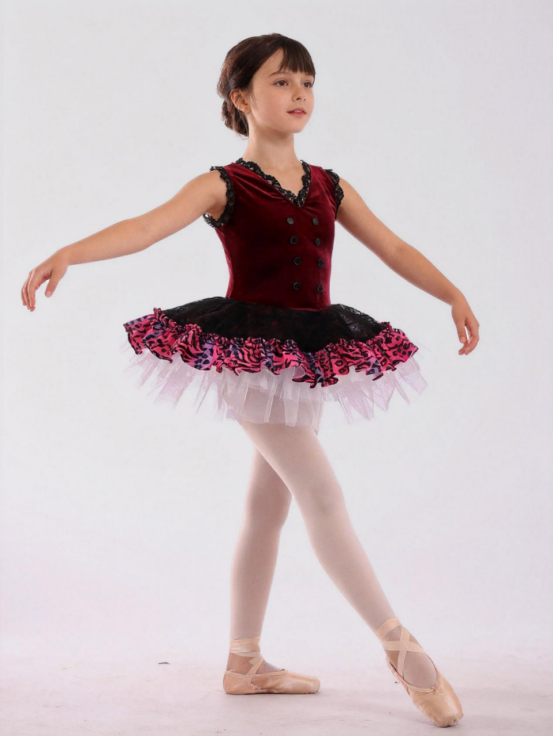
Costume cleaning starts with care tag instructions. Ballet costumes include many problem fabrics such as silk tulle, synthetic nets, and specialty metals. Costumes with satin leotard edges and meticulously sewn sequins require consultation with the costume designer. They know exactly what the strong detergents and long soak times will ruin. The embroidered areas may require a neutral pH cleaning agent, and some tutu stiffeners may lose their shape when wet. Notes made during these discussions will assist in devising individualized cleaning strategies for each costume.
Classifying components such as netting, sequins, elastics, boning, and the possible color bleeding issues associated with ballet costumes.
Identify fragile structural components before stain removal.
Consider the following:
Nylon and polyester netting behave differently in the presence of moisture and heat.
Sequin adhesives can break apart in an alkaline environment.
Elasticized waistbands will worsen with bleach.
Steel boning will rust if it has not been completely dry.
Dye migration risks exist with costumes featuring multiple colors.
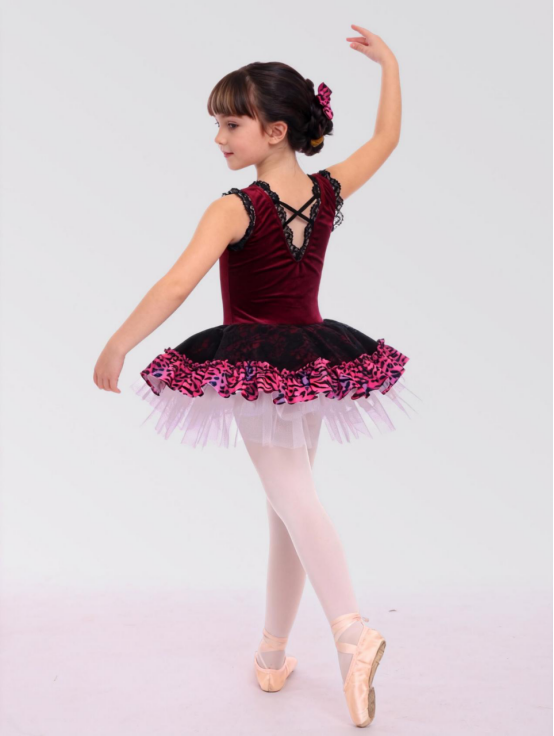
To test for color bleeding, apply distilled water to an inconspicuous area, and then check to see if there is any color transfer before following dry cleaning guidelines. For crystal embellishments, check if the glue is solvent resistant, as acetone can dissolve the glue. If there is moisture, then immediately apply rust prevention to weighted hems and wires used for tacking.
Gentle spot cleaning, hand washing, and steaming ballet wear
When to spot clean vs. hand wash"”when to preserve volume and integrity of tutu and leotard trims
To address pesky spots on costume ballet wear, spot cleaning is the first and best option. Rather than submerging the item and ruining the sequins and trim, get a a clean, cold water, and gentle soap solution. Apply some to a cloth and dab the stained areas. If the item smells bad from sweat, then of the costume is just dirty, then hand washing may be best. Get a clean basin and fill with at least lukewarm water and a gentle fabric wash. The item should soak and then be gently swirled. This will prevent dirt from settling. Afterward, be sure to rinse with distilled water to avoid mineral build up. These things help prolong the life of the costume. There are some studies, for example in the Dance Preservation Journal, that show letting the costume soak for long periods of time, will actually shrink tutus by about 1/3. Least to say, we do not want that.
Avoiding damage to the stitching of synthetic netting and seam adhesives
One of the main advantages of using a steamer to sanitize ballet clothing is that the dancer has much more control to avoid the issues caused by steam from an iron or clothes dryer. When steaming netting (which could be polyester) hold the steamer nozzle down to six inches from the netting. The steam should be kept above 150 degrees to avoid melting synthetic materials, and decorations on the costumes should be steam from above to prevent them from becoming dislodged. This has actually been studied by textile conservators. Elements should be fully steamed and held until fully air dried to retain the integrity of the fabric, which will allow for less cleaning at the dry cleaner.
How to Maintain the Quality of your Ballet Wear to Encourage Good Longevity and Quality You Want to Air dry your Ballet Items to Hold Their Shape and Prevent Creases and Sags and to Avoid Netting Wrinkles Untouched Ballet tutus should be laid flat to dry over something like a mesh rack to hold the shape of the tutu. Hanging wet tutus is a very bad idea since every netting layer of the tutu will be wet and the netting will sag and stretch and cause permanent wrinkles to form. Steer tutus and ballet tights and leos clear of sunlight and warm drying spots since sunlight will cause damage to the fabric and the attire will warp. If there are steel hoops in the attire use peas in the tube and hanging dry and dry them for about a day to two. Turn the leotard flat drying every 6-8 hours to prevent the mold and hot spots and to allow the stretchy bits to remain in the leotard and tutu. This technique will greatly improve the longevity.
Humidity-proof storage tips for metal boning and tacking wires
After everything is completely dry, wrapping exposed metal sections in acid-free tissue paper provides a barrier for humidity changes. Costumes should go inside breathable cotton garment bags and the bags stored in environments where the relative humidity is around 40 - 50% humidity. Place silica gel packets (not touching!) near the metal parts to absorb excess humidity. These packets will need to be replaced every three months in hot, humid environments. To protect items for years instead of just a few seasons of use, use some rust-inhibiting VCI paper between the layers of fabric that contact the boning. Plastic storage containers and vinyl covers WILL trap moisture and cause corrosion issues, so do not use them. Coastal dwellers should inspect metal components for early signs of rust, especially during dry periods between shows.
How to Keep Tutu Volume and Embellishments Long-Term
Hanging Tutu Storage: A Volume Reduction Study (Royal Ballet Studio Trials, 2022)
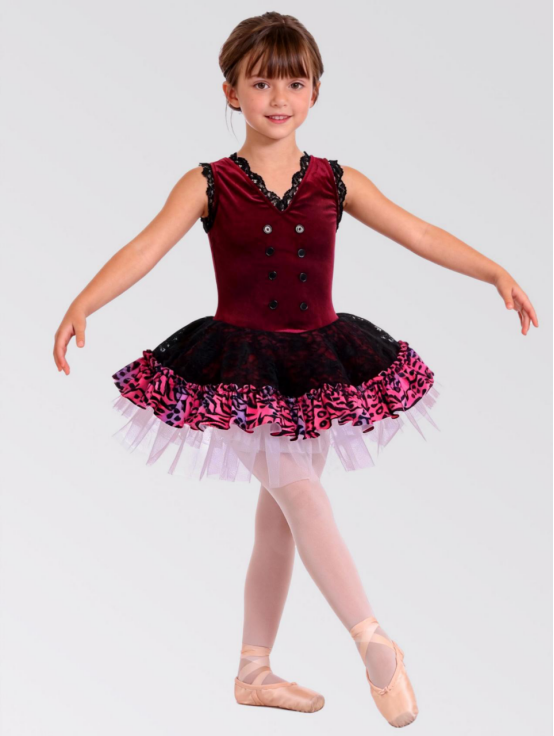
Hanging tutus, even upside-down, is the way to lose volume and shape. A 2022 study at the Royal Ballet Studios found that tutus stored hanging lost 35-40% of their original netting volume after 6 months. In comparison, tutus stored in a flat position lost less than 5% netting volume. This is because flat tutu storage prevents the tulle fabric layers from being compressed. Additionally, flat storage takes pressure off the waistband, which tends to stetch. For sequin or bead embellished leotards, flat storage with embellishments facing up also protects threads from snagging and embellishments from tearing off. Beaded embellishments can easily snag and tear when the garment is worn.
Storage of delicate ballet costumes involves archival quality boxes, acid free tissue paper, and climate controlled storage.
To encourage longevity of your costumes, wrap each garment in acid free tissue before placing them in boxes. This will prevent dye transfer and the formation of the yellowish/brown discoloration that occurs over time. Garment bags that are breathable are suitable for storage in an environment where the relative humidity is controlled to between 45-55%. This humidity range inhibits the formation of mold and prevents the environment from becoming overly dry. Iron and metal components are a concern as well! Boning and small metal tacks will require the presence of silica gel to prevent rusting due to condensation from temperature changes. Additionally, if items will be stored without use for multiple seasons, the storage collection should be rotated approximately every three months to redistribute the pressure from storage and protect embroidered areas that could be damaged.
FAQ
What is the first thing to do after cleaning ballet costumes?
Consult the garment care label for cleaning instructions and speak to the costume designer about the use and care of costume accessories, beads and other embellishments.
How do I perform a color fastness test on ballet costumes?
Using distilled water, test the hidden seam of the costume to determine if the pigment is likely to bleed. If the pigment bled, clean the costume in a dry cleaning solvent.
What is the most effective way to remove stains from ballet costumes?
When dealing with stains on ballet costumes, it is best to use a cloth with cold water and a small amount of soap to gently dab the stained area. Avoid full submersions to protect any sequins and to not damage the costume any further.
Is it safe to steam all ballet costumes?
In most cases, it is safe to use steam on ballet costumes. However, it is important to keep the steamer about 6 inches from any polyester netting and to keep the steam below 150 degrees Fahrenheit.
What is the best way to keep ballet costumes in the best shape over long periods of time?
To keep ballet costumes in the best shape over long periods of time, it is best to wrap the costumes in acid free tissue paper and then keep them in breathable garment bags to help keep the climate controlled. This helps prevent any mold or mildew and helps to keeps the costumes rust free.