
 EN

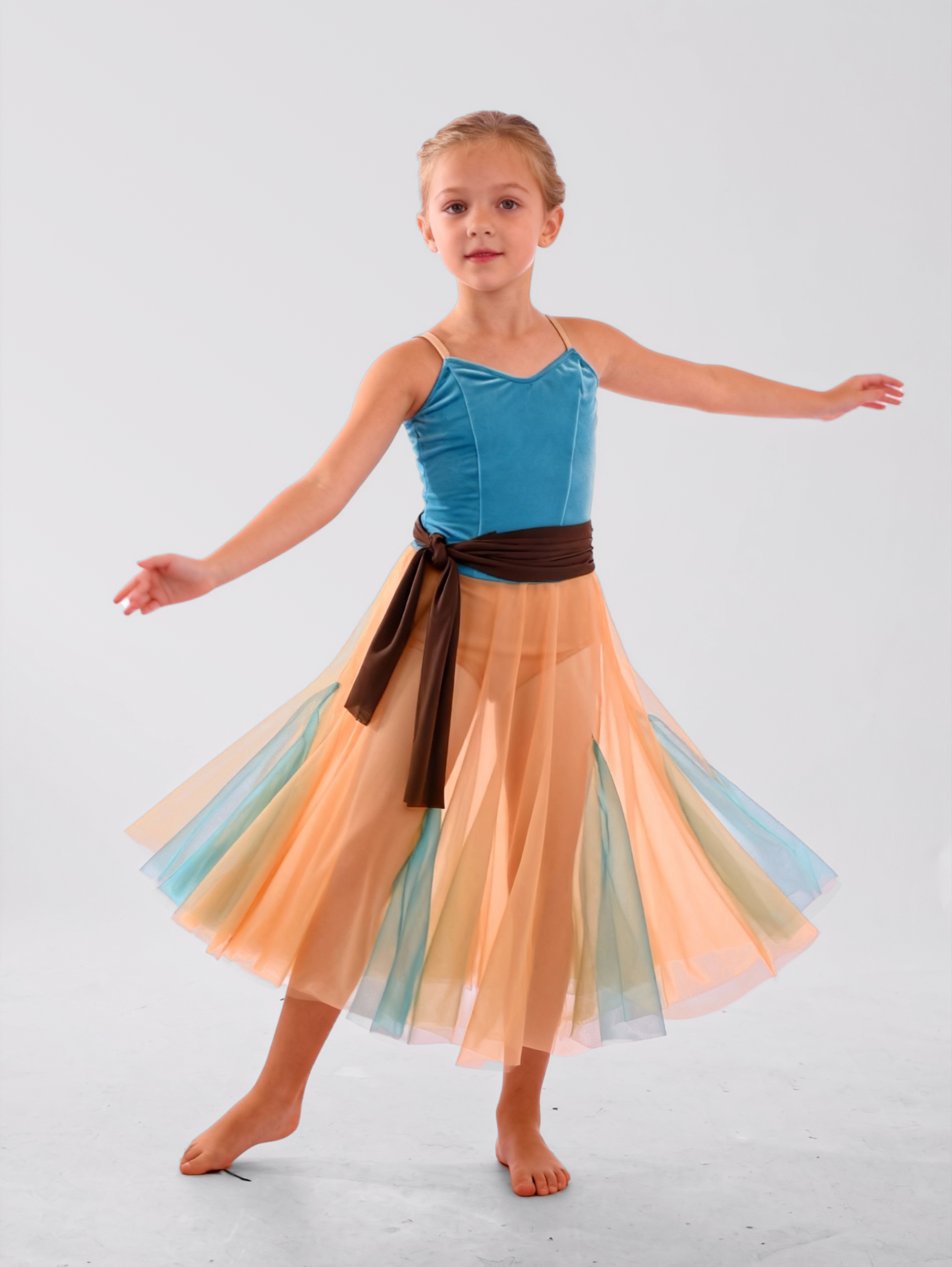
Lyrical dance lives on fluid movement: extended lines, sweeping arm work, leaps, and turns that make fabric part of the lyrical choreography. Lyrical costumes for children must therefore do two jobs at once. They must move with the dancer, stretching through leaps and recovering their shape between routines, and they must survive the reality of children's costume handling: quick changes, repeated competitions, and laundering between events. Sheer flowing panels that photograph beautifully fail if they tear at the seam in week three, and durable fabrics fail if they drape like cardboard. The suitable lyrical costume balances flow, stretch, durability, and compliance with the safety rules that apply to children's lyrical garments.
Real-World Industry Case / Scenario
A Competition Team's Lyrical Costume Failures
A competitive lyrical team of young dancers ordered costumes from a low-cost supplier before its first lyrical season. The costumes looked striking in photographs, with long chiffon overlays and fitted bodices. Within a month, lyrical costume failures began. Seams at the underarm split during lifts, sheer panels tore at stress points where movement concentrated, and one bodice lost elasticity after three washes, leaving the costume visibly loose on stage. The team replaced half its wardrobe mid-season at emergency prices, and two dancers competed in ill-fitting replacements because there was no time to order correctly.
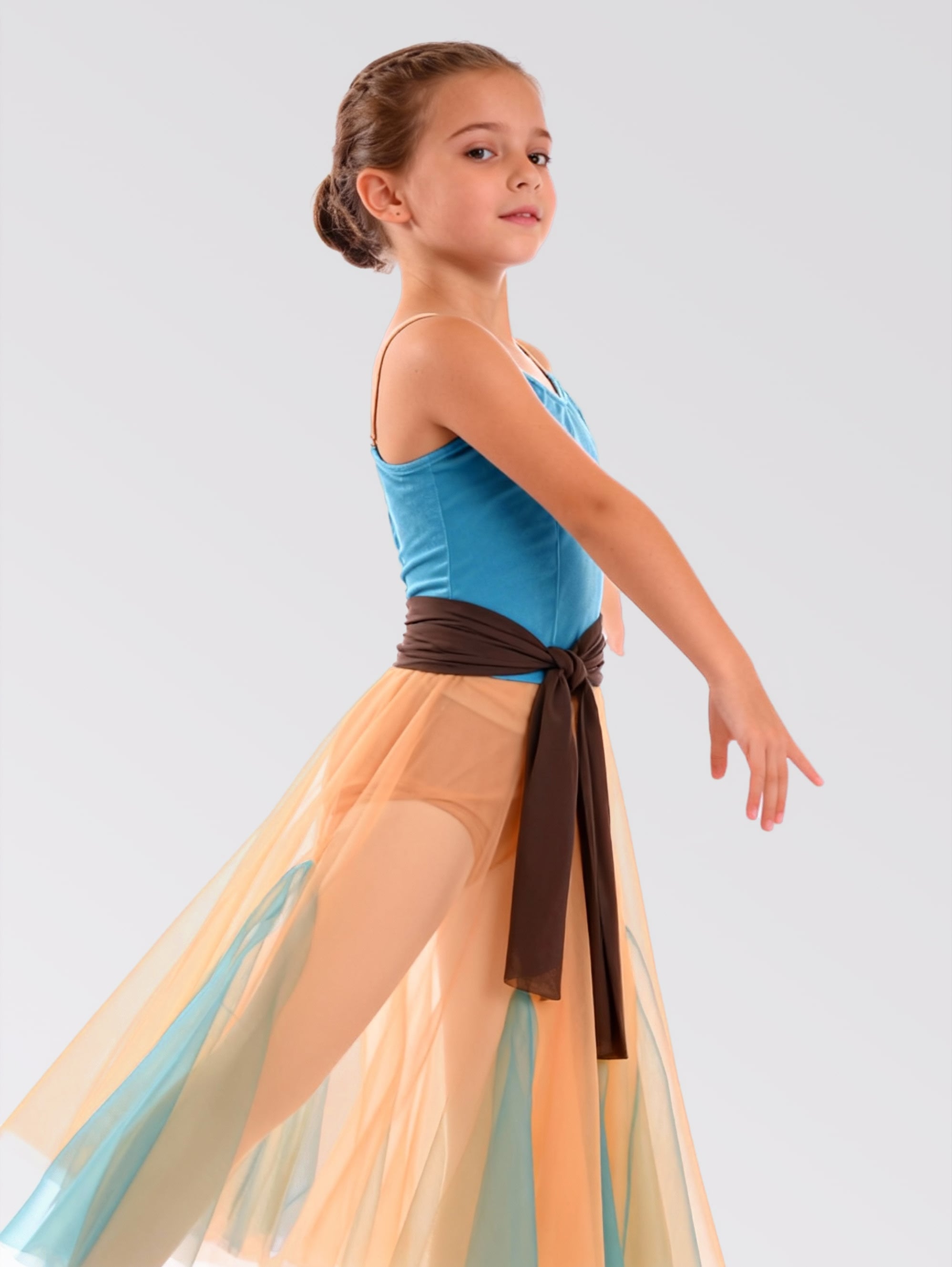
The team's replacement order came from a supplier that specified its construction: four-way stretch fabric with documented recovery, flatlock seams that flex with movement, reinforced stress points at underarm and hip, and overlays in a lightweight chiffon with a tested tear resistance. Those costumes completed the season, including regional competitions, without seam failure. The team's director also noted that color held through multiple washes without bleeding, which mattered because the costumes were cleaned between every event. The contrast between the two orders defined the team's purchasing criteria from then on.
Risk & Failure Mode Analysis
Seam and Panel Failures Under Lyrical Movement
Movement concentrates stress in predictable places: underarm seams during lifts, hip seams during extensions, and overlay attachment points during turns. Standard stitched seams in non-stretch thread fail at those points, which is why costumes in this style use construction methods that stretch with the fabric, such as flatlock or coverstitch seams, and reinforce high-stress attachment points. Sheer panels tear where they are thinnest, usually at attachment points and where they catch during quick changes. A lyrical costume for children should be constructed for the lyrical movement it will actually perform, not merely photographed well on a hanger.
Children grow, and a lyrical costume that fits in September may not fit by spring championships. Teams that size costumes with growth allowance avoid mid-season replacement, but the allowance must be distributed in the right places, since extra length in a bodice changes the lyrical fit differently than extra length in a skirt. Safety compliance applies directly to lyrical costumes: EN 14682 restricts cords and drawstrings in children's clothing, particularly in the head and neck area, so decorative lyrical ties must be constructed or positioned to comply. Certification such as Oeko-Tex Standard 100 verifies that lyrical fabrics are free from harmful substances, which matters for garments worn close to skin during vigorous lyrical activity.
Technical Principles & Standard Compliance
Fabric Selection for Lyrical Movement
Fabric selection for lyrical costumes follows the lyrical movement. The base garment needs four-way stretch with documented recovery, typically a spandex blend that returns to shape after the lyrical extensions and leaps the choreography demands. Overlays need lightness and flow, with chiffon and mesh providing movement that reads from the audience, and foil or metallic knits adding visual effect where the lyrical choreography calls for it. Stretch recovery is the property that separates costumes that perform all lyrical season from those that bag out after three washes, and it is measurable, which is why suppliers should state it rather than imply it.
Seams, Stretch Recovery, and Color Fastness in Lyrical Costumes
Construction quality shows up in the seams. Flatlock seams flex with stretch fabric instead of concentrating stress, and reinforced stress points extend garment life at the locations lyrical movement punishes. Color fastness, tested against standards such as ISO 105, determines whether the costume appearance survives the laundering that lyrical competition schedules demand, including both washing and the effect of perspiration under stage lights. Dye that bleeds in the wash or marks under lights ends a lyrical costume stage life long before the fabric wears out, which is why fastness documentation belongs in the lyrical specification.
Actionable Buyer & Maintenance Guide
Choosing Lyrical Costumes for Young Dancers
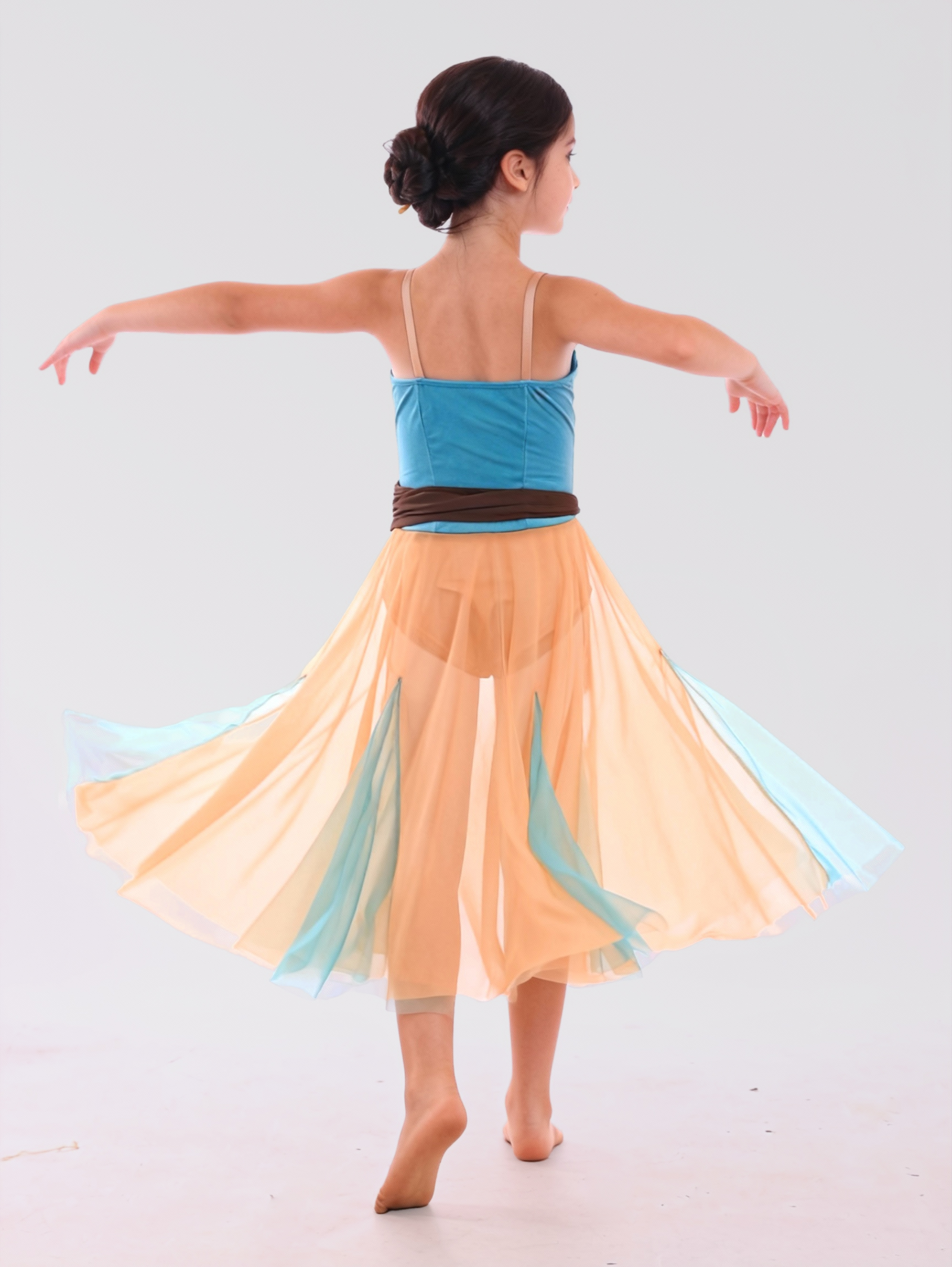
Selection should begin with the lyrical choreography. Movement that emphasizes extension and flow suits longer, lighter lyrical overlays; movement with lifts and partner work demands reinforced construction at stress points. Measurement should be taken against the specific garment chart, with growth allowance discussed explicitly for young lyrical dancers who will compete across a lyrical season. Verification points include fabric stretch and recovery documentation, seam construction at stress points, color fastness data, and compliance documentation for children's lyrical garments. Dancewear suppliers such as Shaoxing-based Annashi support this evaluation with documented fabric and construction specifications for lyrical costumes.
Lyrical Costume Care Between Performances
Competition costumes are cleaned frequently, and lyrical care practice determines how long they hold their appearance. Washing lyrical costumes in cool water with gentle detergent protects elastane and dye, and line drying avoids the heat that degrades stretch recovery. Lyrical costumes with delicate overlays benefit from mesh laundry bags and from storage that avoids compressing the flow panels. Inspecting lyrical seams after each wash catches small failures before they become stage emergencies, and retiring a lyrical costume that shows stress-point wear prevents the mid-performance failure that quick changes cannot fix.
Frequently Asked Questions
Question 1: What fabrics work best for lyrical costumes?
Answer: The base garment benefits from four-way stretch spandex blends with documented recovery, since lyrical movement demands extension and shape retention. Overlays use lightweight chiffon or mesh for flow that reads from the audience, with metallic knits adding effect where the lyrical choreography calls for it. The combination must move as one garment, so overlay weight and attachment method matter as much as the base fabric stretch.
Question 2: How should lyrical costumes be sized for growing children?
Answer: Measure against the specific garment chart rather than age-based sizing, and discuss growth allowance explicitly for lyrical dancers who will compete across a lyrical season. Allowance should be distributed thoughtfully, since extra length in a bodice changes lyrical fit differently than extra length in a skirt. Re-measuring before major lyrical competitions catches growth that would otherwise produce an ill-fitting lyrical costume.
Question 3: What safety rules apply to children's lyrical costumes?
Answer: EN 14682 restricts cords and drawstrings in children's clothing, particularly in the head and neck area where strangulation risk exists, so decorative lyrical ties must be constructed or positioned to comply. Flammability standards such as 16 CFR 1610 apply to general wearing apparel in the United States. Certification such as Oeko-Tex Standard 100 verifies that lyrical fabrics are free from harmful substances, which matters for garments worn close to skin during vigorous lyrical activity.
Question 4: How can lyrical competition costumes be made to last a season?
Answer: Choose construction designed for the lyrical movement: flatlock or coverstitch seams that flex with stretch fabric, and reinforced stress points at underarm and hip where lyrical movement concentrates load. Wash lyrical costumes in cool water with gentle detergent and line dry to protect elastane and dye. Inspect lyrical seams after each wash to catch small failures early, and store lyrical costumes without compressing delicate overlay panels.