
 EN


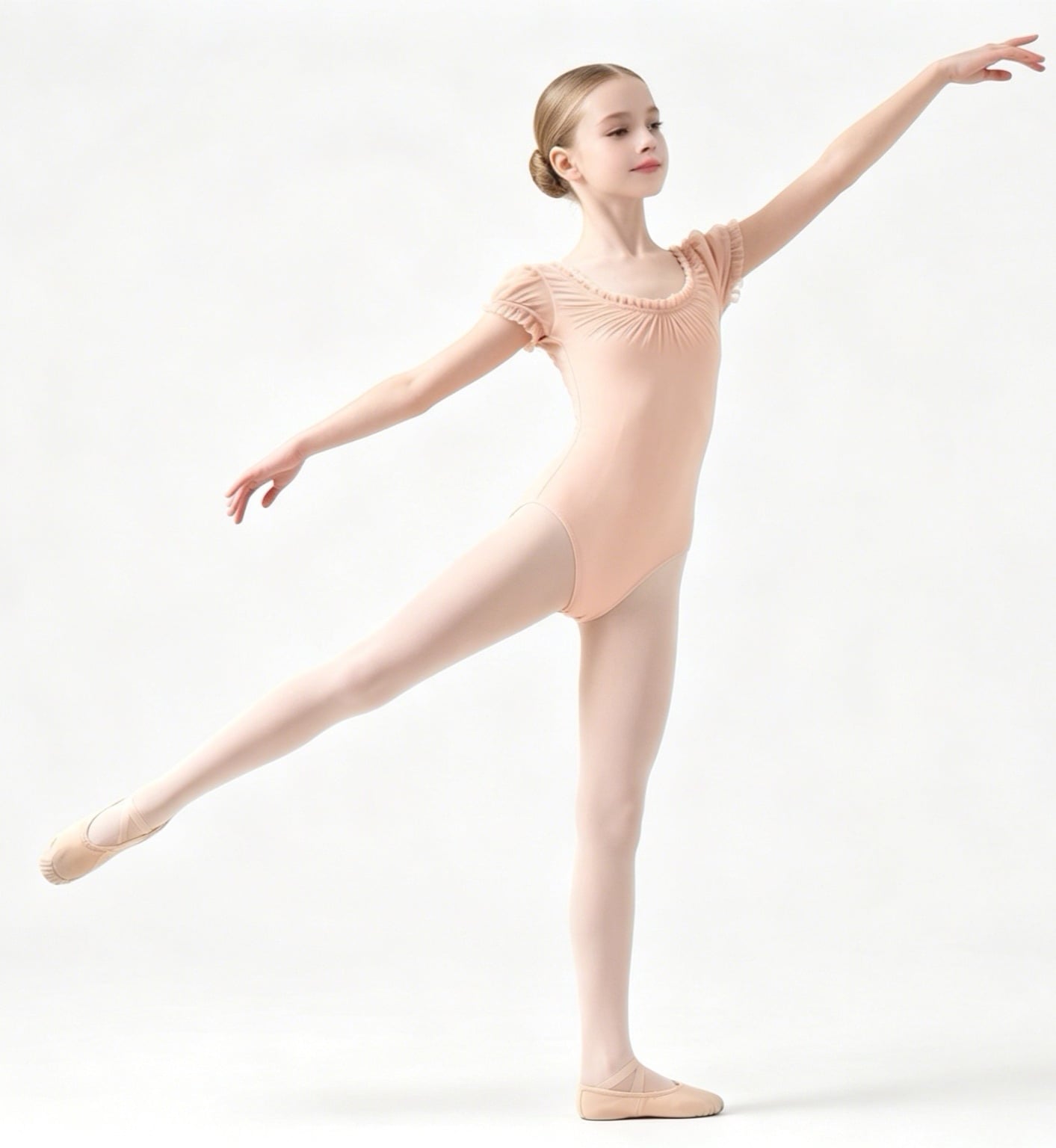
Quiet Performance: Minimalist Dance Wear for Focus and Function
Why muted tones and streamlined silhouettes dominate studio and stage in 2026
By 2026, quiet performance has reshaped dance wear: muted sage, stone, taupe, and ink replace neon and oversized graphics. This shift is not purely aesthetic. Dancers and instructors increasingly choose streamlined silhouettes that reduce visual noise and support greater focus during technical training. On stage, neutral palettes allow choreography and movement quality to take precedence over costume color—mirroring broader fashion’s quiet luxury movement, where understated design signals confidence and craftsmanship.
A 2025 survey of U.S. studio owners found that 78% now specify neutral-toned uniforms for recitals and competitions, citing improved group cohesion and fewer distractions during rehearsal. Many studios have also updated dress codes to prioritize tonal layering and minimal hardware, enabling seamless transitions between technique classes, rehearsals, and conditioning sessions. As a result, one well-fitted leotard or unitard can serve across ballet, contemporary, and jazz—reducing wardrobe complexity without compromising discipline-specific function.
Ergonomic design principles: Seam placement, compression mapping, and kinetic freedom in modern dance wear
Behind the minimalist look lies rigorous ergonomic design. Flatlock and bonded seams are placed away from high-friction zones—like underarms and inner thighs—to prevent chafing during floorwork or sustained extensions. Compression mapping uses graduated paneling around the core, glutes, and calves to offer subtle neuromuscular support without limiting turnout or leg height. Some leading brands integrate directional stretch zones aligned with the body’s spiral fascial lines, enhancing proprioceptive feedback in contemporary and release-based techniques.
Kinetic freedom comes from gusseted crotches, raglan-style shoulder openings, and ultra-high-recovery fabrics (with ≥95% elastic recovery after 100+ stretches). These features let garments move as a true second skin—minimizing mid-class adjustments and preserving clean lines through complex combinations. For dancers, this translates directly into more focused rehearsal time: studio managers report up to 12% less garment-related interruption during multi-hour blocks.
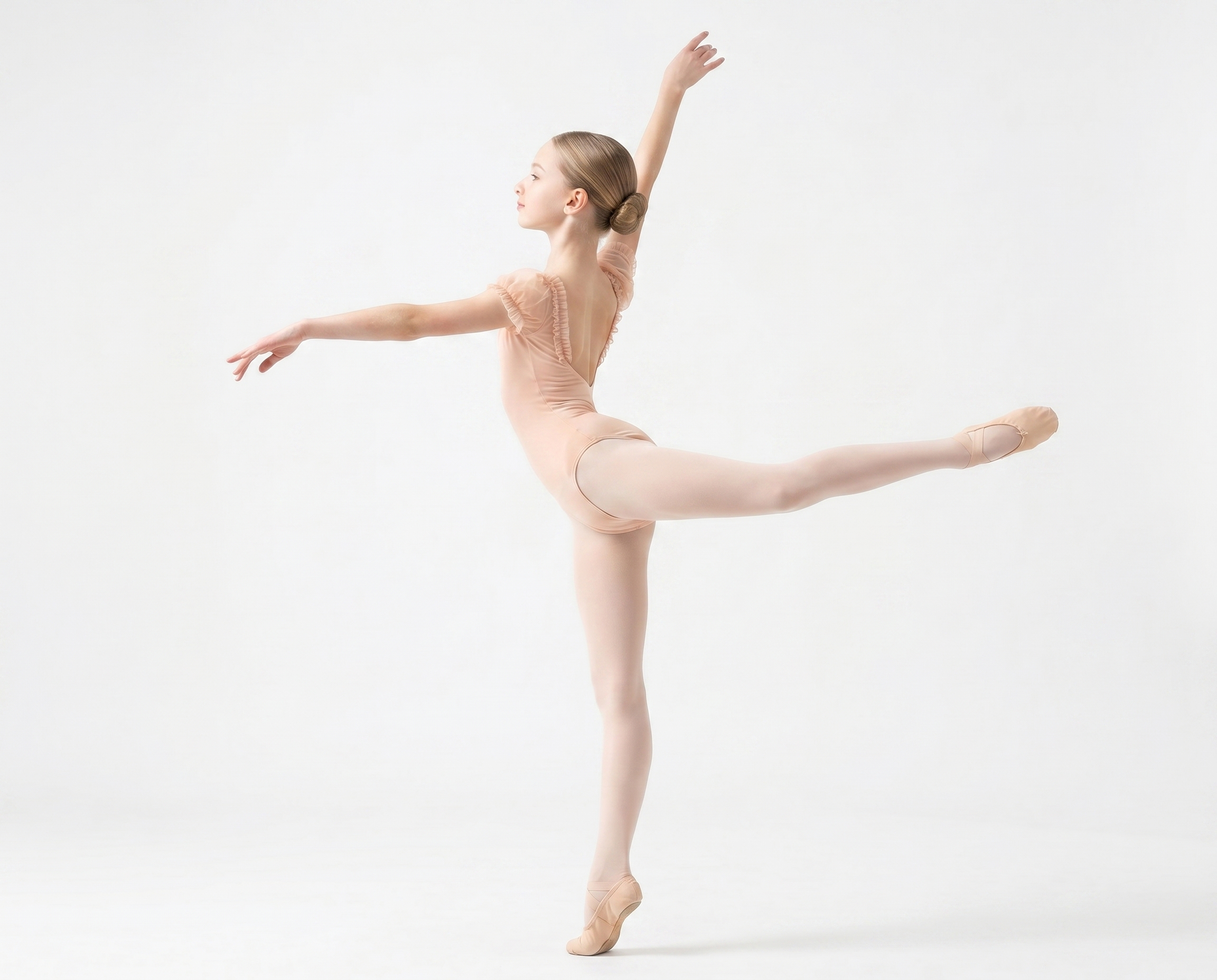
Sustainable Dance Wear: Eco-Materials and Transparent Production
Sustainable dance wear in 2026 is defined by material innovation and verified supply chains—not marketing claims.
Next-gen fabrics: Recycled ocean nylon, bio-based elastane, and compostable linings entering mainstream dance wear
Next-gen fabrics are moving from pilot runs to core catalogs in 2026. Recycled ocean nylon—sourced from recovered fishing nets—cuts fossil-fuel extraction while matching conventional nylon’s abrasion resistance and four-way stretch, essential for dynamic choreography. Bio-based elastane replaces up to 40% of petroleum-derived spandex with renewable plant feedstocks, delivering strong recovery for jumps and landings without sacrificing elasticity. Compostable linings, often made from Tencel™-based bio-polymers, introduce certified end-of-life options that traditional synthetics lack.
These materials meet functional benchmarks set by the International Dance Sport Federation (IDSF) for moisture management, tensile strength, and dimensional stability. As a result, dancers no longer need to trade sustainability for performance—nor studios for durability. Fiber content labels are now standard on all major-brand tags, reflecting how dancers increasingly evaluate garments by composition, not just cut.
Garment passports and supply-chain traceability — building trust with studios and conscious dancers
Garment passports are turning sustainability claims into verifiable data. A QR code on each label links to a digital passport tracing fiber origin, dye lot, factory certifications (including WRAP and OEKO-TEX® Standard 100), and final distribution hub. For studios ordering bulk supplies, this transparency reduces greenwashing risk and simplifies procurement—especially under new EU Digital Product Passport requirements taking full effect in 2026.
Conscious dancers can scan to see exact recycled content percentages, chemical inputs (verified against ZDHC MRSL v3.1), and end-of-life guidance—including local composting partners for certified linings. Third-party audits and blockchain-backed ledgers ensure integrity without slowing fulfillment. Early adopters report 23% higher retention among values-driven customers, confirming that traceability—not just recycled content—is what builds lasting trust.
Gender-Fluid Dance Wear: Unisex Design as Standard Practice
The shift from ‘adapted’ to inherently inclusive patterns — modular fit systems and adaptive construction
The move away from “adapted” gendered blocks marks a structural change in 2026 dance wear. Rather than resizing men’s or women’s templates, pattern teams now draft from a single inclusive block with graded hip, waist, and shoulder arcs calibrated to movement biomechanics—not binary categories. Modular fit systems—adjustable waistbands, removable compression panels, and convertible strap configurations—let dancers customize coverage and support in real time, eliminating the need to purchase multiple sizes for evolving bodies or changing roles.
Ergonomic seam placement and four-way stretch panels support arabesques, floorwork, and partnering across diverse anatomies. This approach reduces overproduction and fit-related returns—a top operational concern for studio owners managing inventory across age groups and disciplines. The outcome is dance wear designed from inception for expressive freedom, comfort, and function—making gender-fluid design the default, not the exception.
Dance Wear Beyond the Studio: Stylistic Crossover and Everyday Wearability
The 2026 crossover in dance wear is no longer about hiding a leotard under street clothes. It is a deliberate design shift toward pieces that work in class, on errands, and in social settings. According to the 2025 McKinsey Apparel Trend Report, multifunctional activewear is now the top purchase driver among dancers aged 16–28—they expect one garment to support both turnout and a coffee run.
High-rise leggings feature secure, non-roll waistbands tested for 90+ minutes of barre work; matte-finish bodysuits include snap closures for easy dressing and discreet layering; wrap tops use bias-cut seams to drape cleanly over leotards or tights without bulk. Designers now embed hidden pockets (tested for weight-bearing up to 200g), adjustable straps with reinforced stitching, and abrasion-resistant knee panels—all validated through real-world studio and urban-use trials.
This hybrid functionality reduces wardrobe fragmentation and lowers the barrier to consistent practice. More importantly, it reflects the 2026 ethos of intentionality: every piece earns its place through proven movement utility, tactile comfort, and visual ease—whether under studio lights or city streetlights.
FAQ
Why are muted tones becoming popular in dance wear?
Muted tones help reduce visual distractions, allowing performers and instructors to focus on choreography and movements rather than bright and flashy attire. They also align with the broader fashion trend of quiet luxury.
What makes minimalist dance wear functional?
Minimalist dance wear incorporates ergonomic design features such as flatlock seams, compression mapping, and kinetic freedom to enhance comfort and performance.
What are next-gen fabrics in sustainable dance wear?
Next-gen fabrics include materials like recycled ocean nylon, bio-based elastane, and compostable linings. These eco-friendly materials meet functional benchmarks while promoting sustainability.
What are garment passports?
Garment passports are digital tools accessible via QR codes on apparel, providing detailed information about fiber origin, certifications, and sustainable practices used in production.
What are modular fit systems in gender-fluid dance wear?
Modular fit systems allow dancers to customize their dance wear using adjustable features like waistbands, removable compression panels, and convertible straps, accommodating diverse body types and needs.